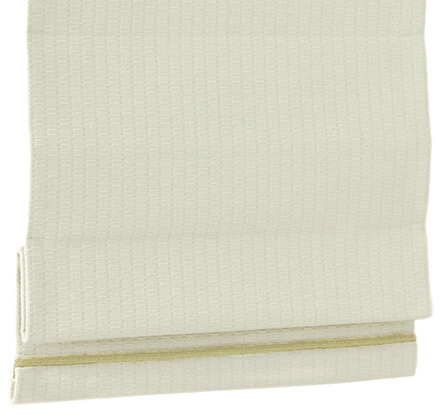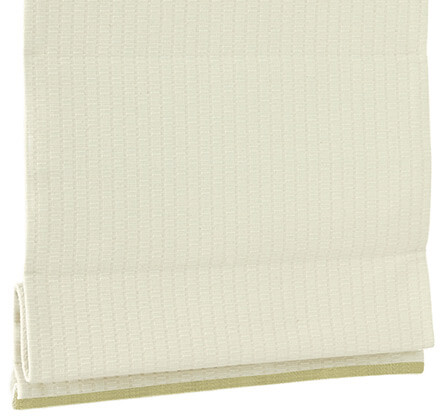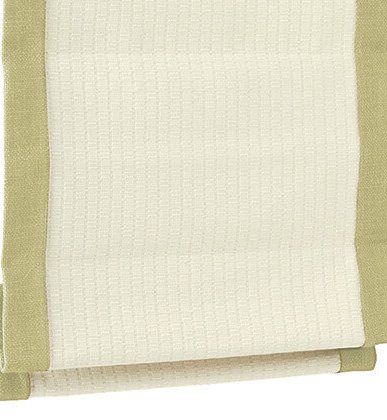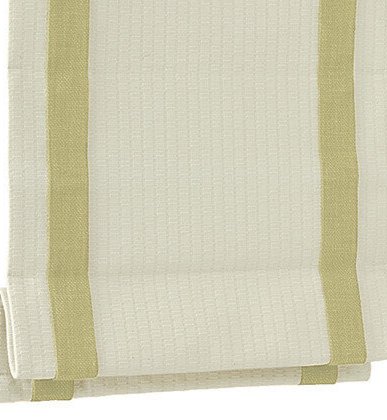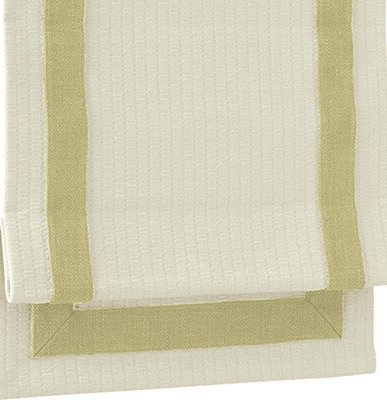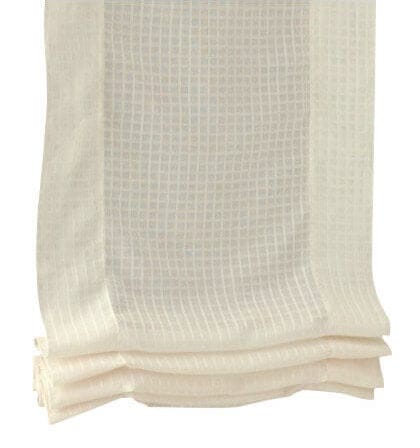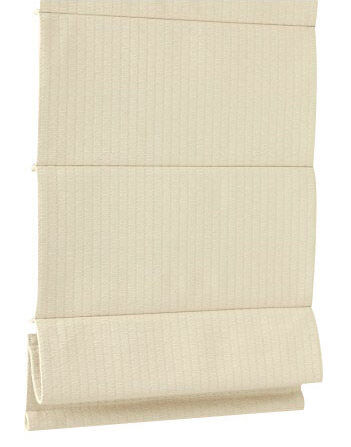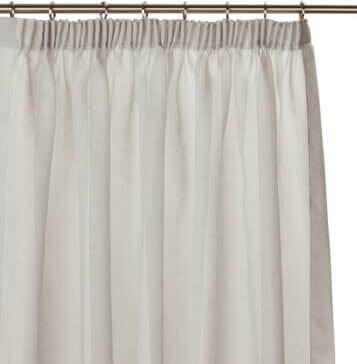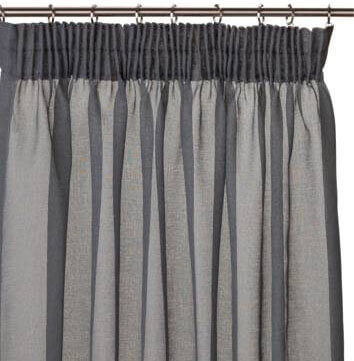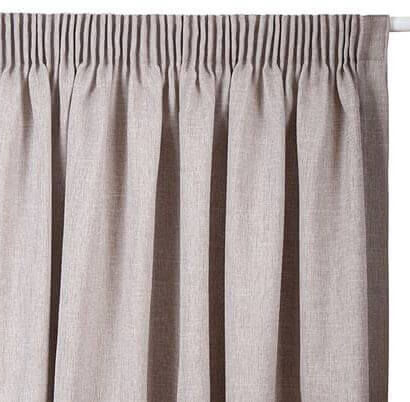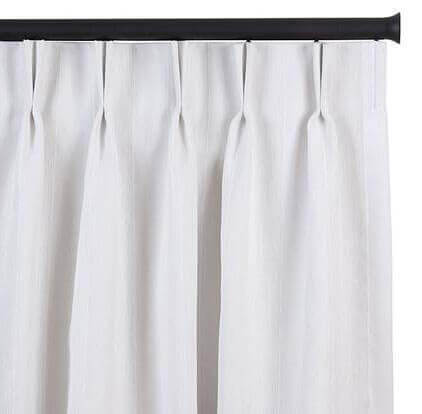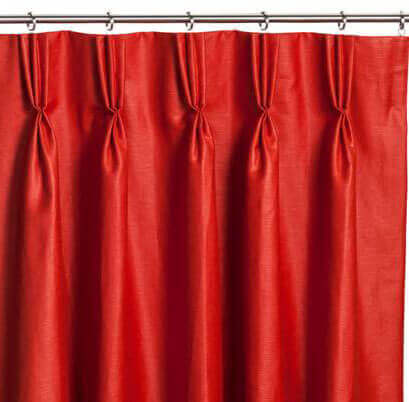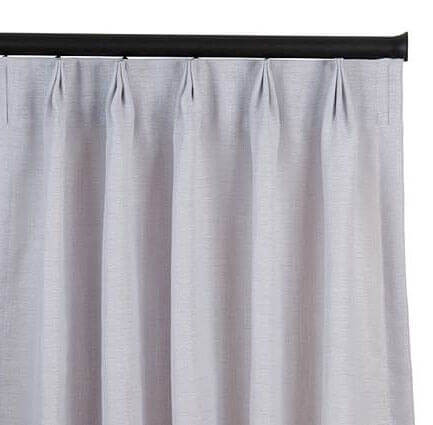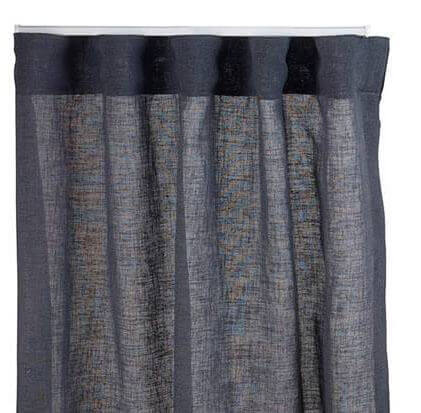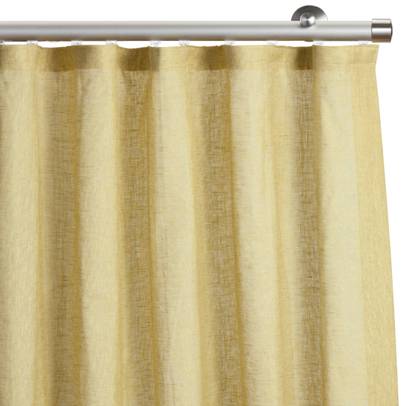

Designing window treatments for heritage buildings presents a distinct blend of challenge and artistry. Unlike contemporary architecture, heritage projects require sensitivity to historical detail, proportion, and materials — while still meeting modern expectations for comfort, performance, and functionality. For interior designers, architects, and window furnishing specialists, the goal is to honour the building’s legacy while enhancing livability.
Respecting Architectural Integrity
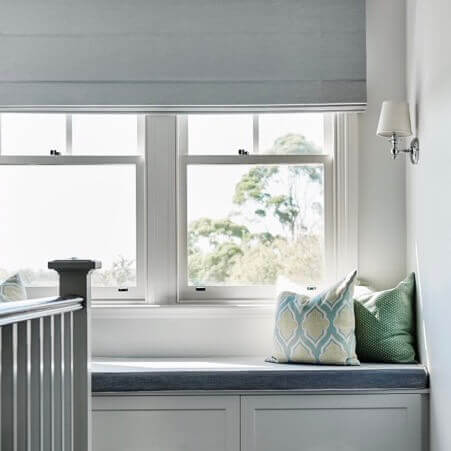
Every heritage building tells a story through its detailing — ornate cornices, arched windows, deep recesses, and handcrafted joinery. These elements demand a measured design approach. Window treatments must complement, not compete with, original features.
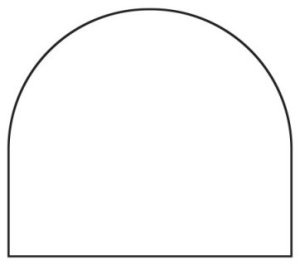
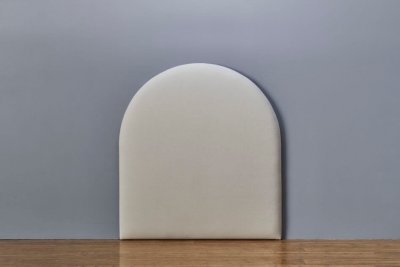
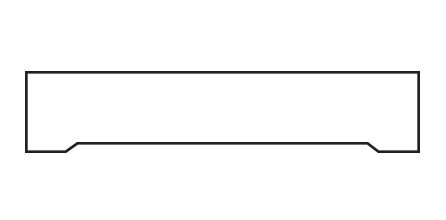
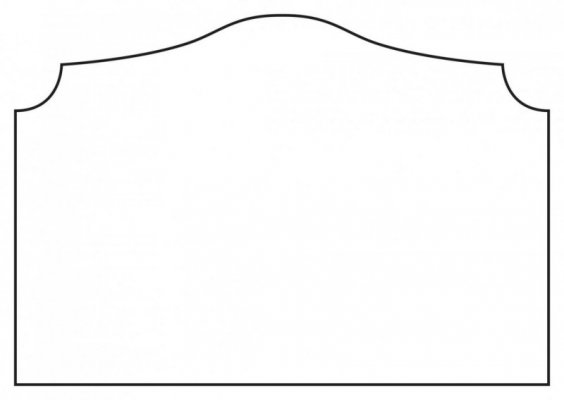
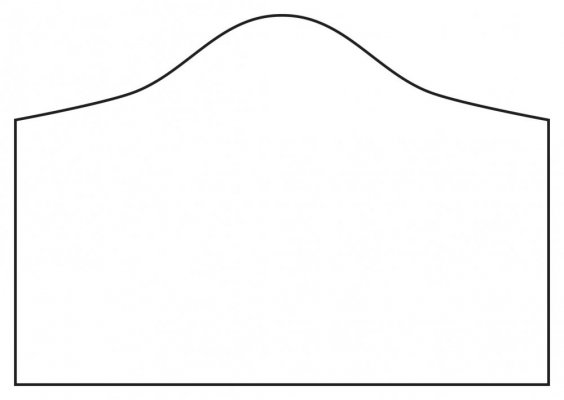
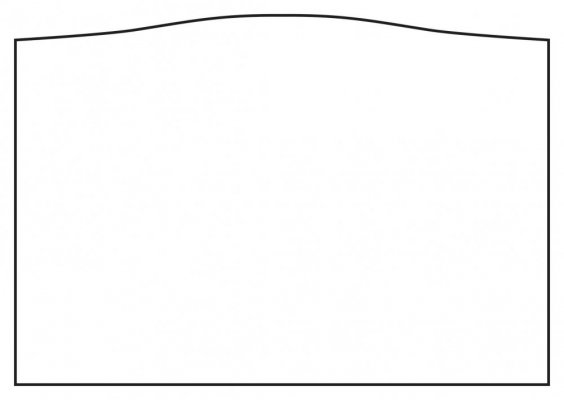
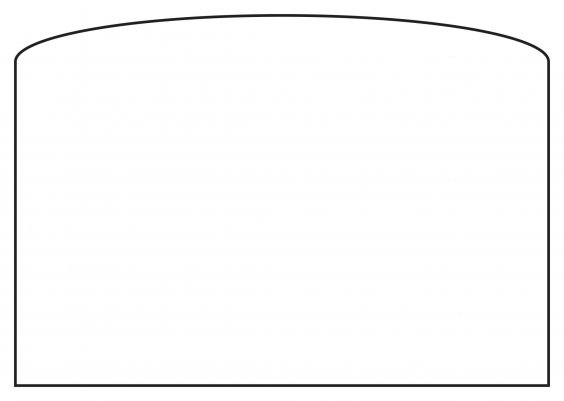
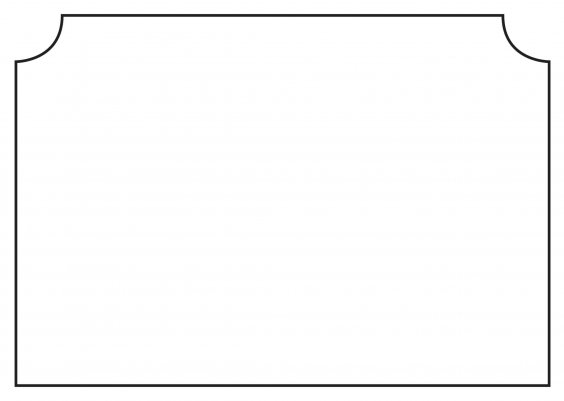
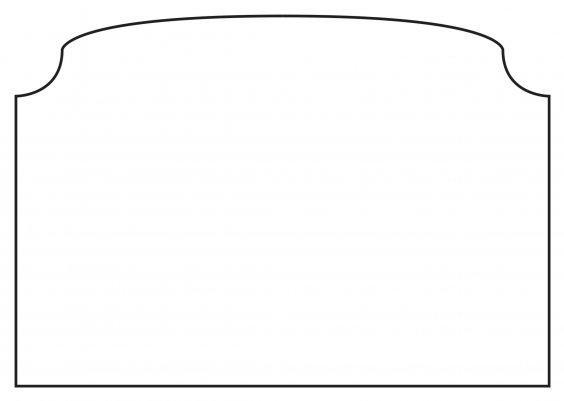
- Shape and proportion: Arched, bay, or unusually scaled windows often require custom-made hardware or tailored fabric treatments.
- Mounting considerations: Heritage interiors may have delicate plasterwork or timber surrounds; fixing methods must protect original surfaces.
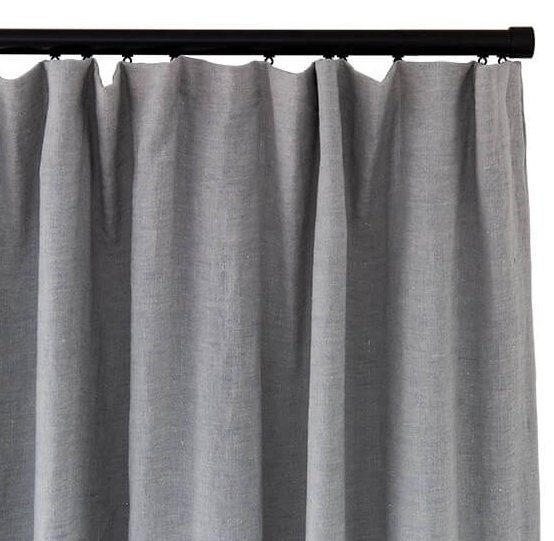
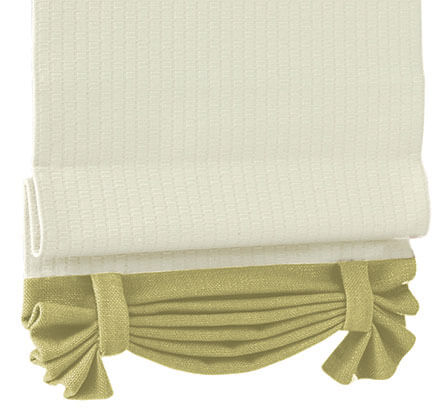
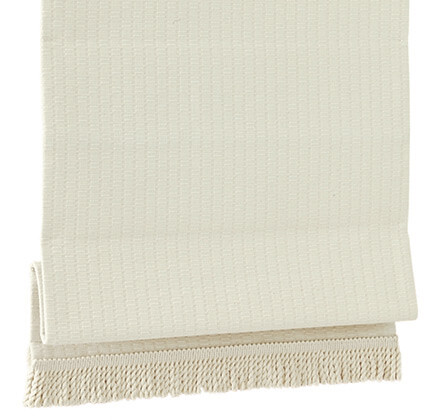
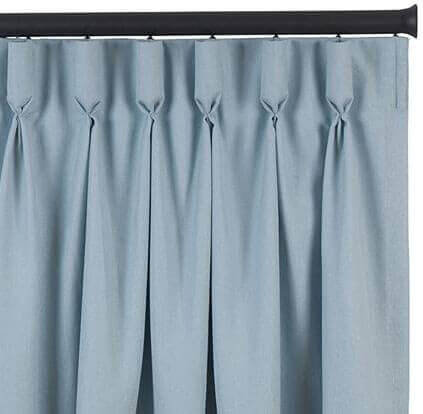
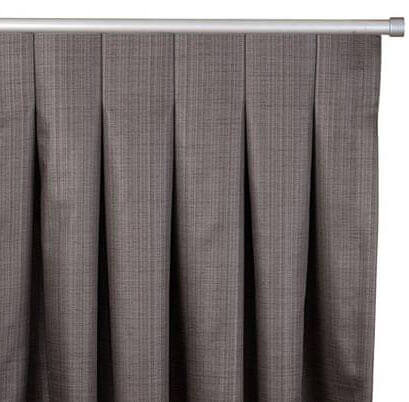
- Visual restraint: Subtle elegance often works best — think soft pleats, hand-finished headings, and traditional materials with a refined palette.
Custom manufacturing ensures precision — allowing each treatment to be built to exact measurements rather than adapted from standard systems that rarely suit heritage proportions.
Balancing Heritage Aesthetics with Modern Performance
While the façade may be historic, today’s clients expect comfort, thermal efficiency, and light control. Integrating modern functionality into traditional design requires careful material and system selection.
- Thermal lining and interlining: Improves insulation while maintaining the luxurious drape of traditional curtains.
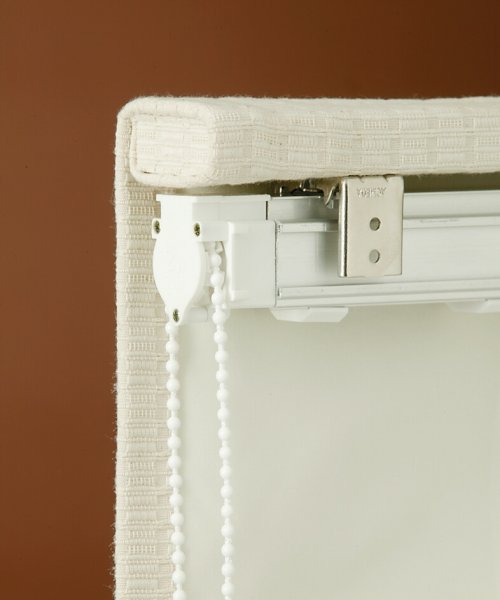
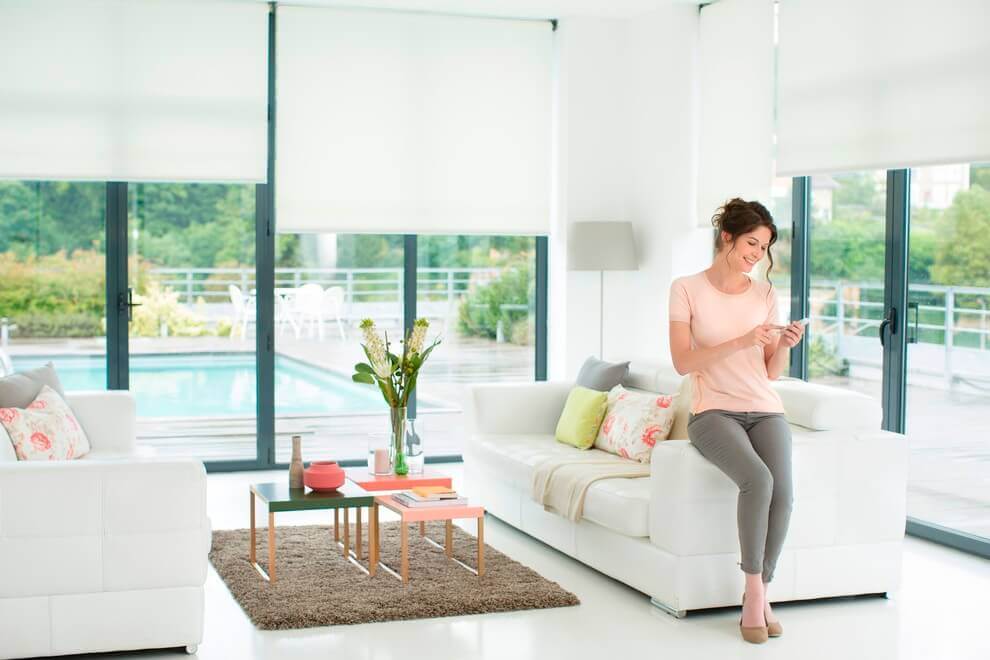
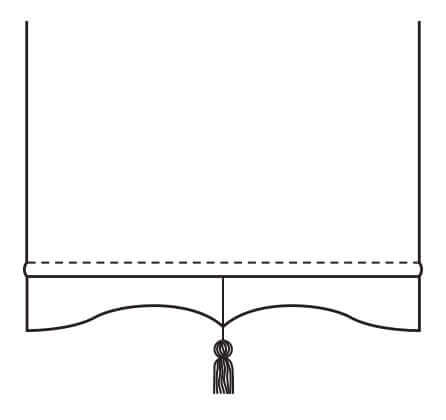
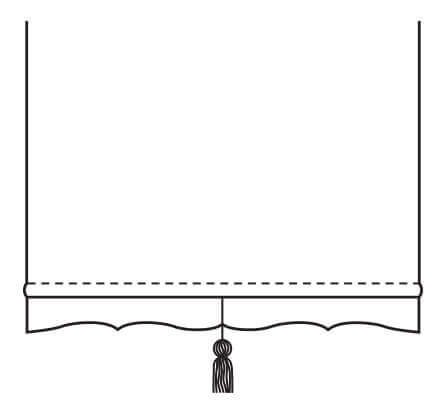
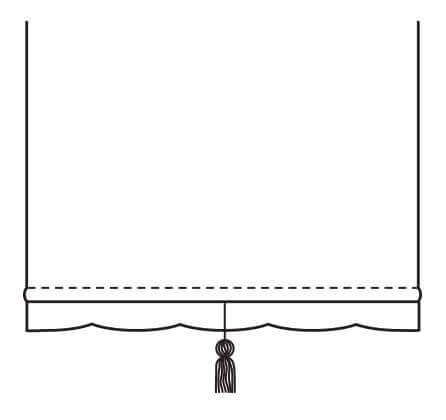
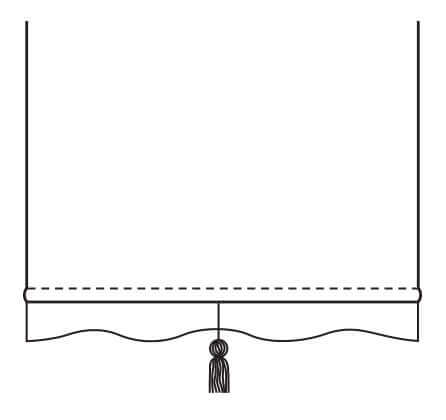
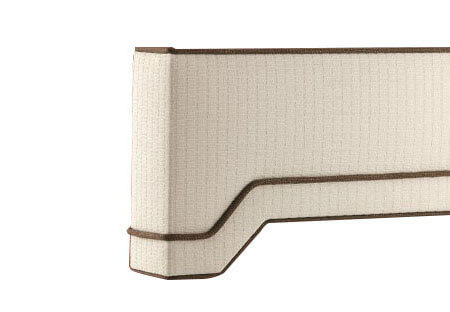
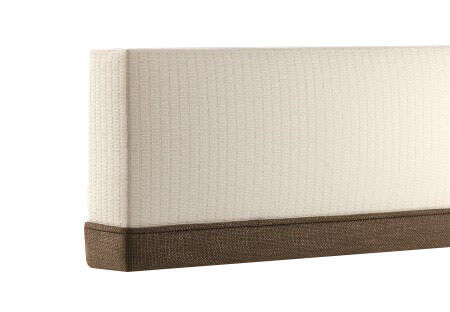
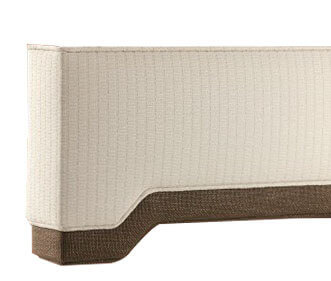
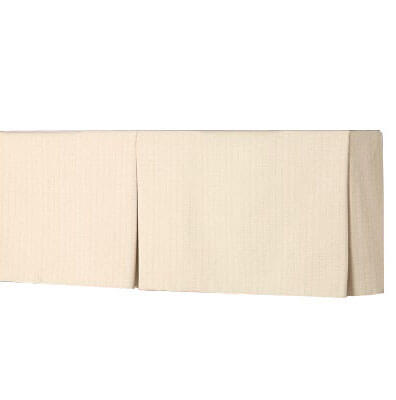
- Motorisation and automation: Can be discreetly incorporated behind decorative pelmets or cornices for convenience without visual intrusion.
- UV and light protection: Essential for preserving original finishes, artworks, and fabrics in heritage interiors.
The art lies in merging period character with modern performance — a task achievable only through skilled design and manufacturing collaboration.
Fabric and Finish Selection
Fabrics for heritage interiors must reflect the era’s spirit while meeting today’s durability standards. Common approaches include:
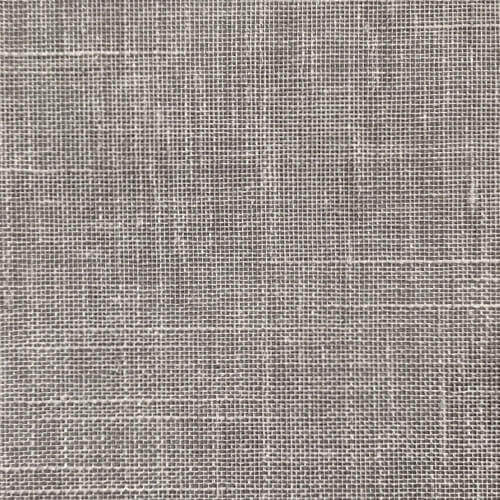
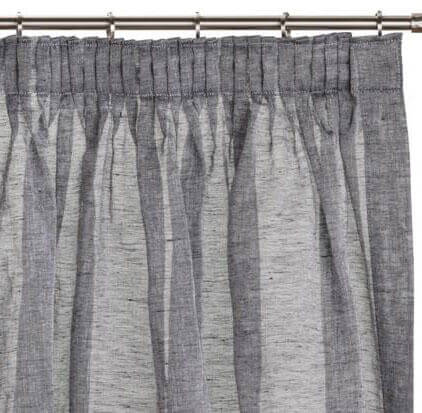
- Natural fibres: Wool, linen, and silk blends evoke authenticity and tactile warmth.
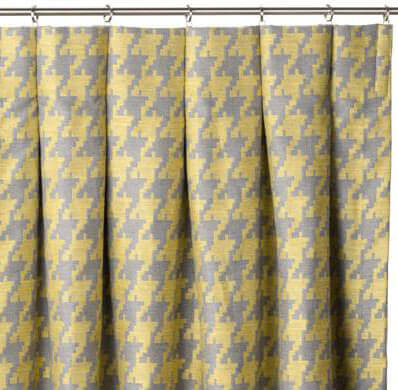
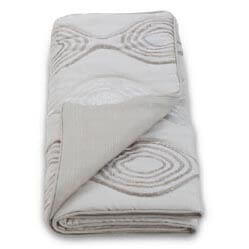
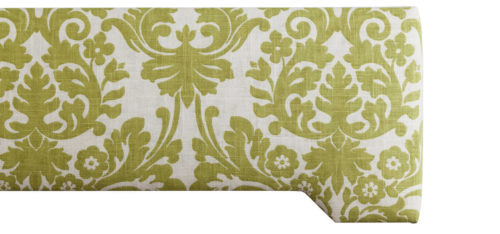
- Jacquards, damasks, and brocades: Ideal for spaces retaining their formal identity, offering pattern and depth that feel timeless.
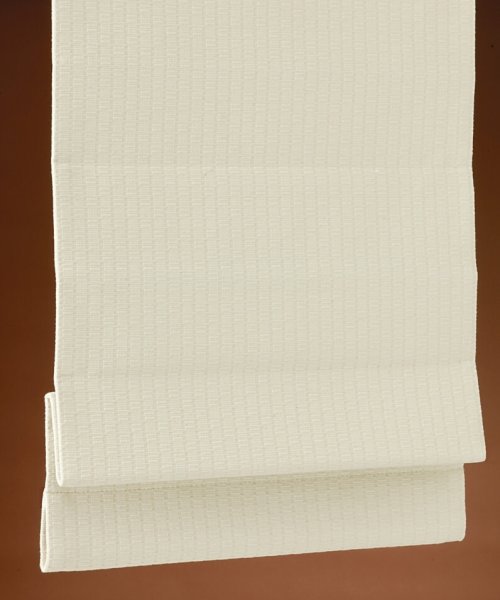
- Neutral or muted palettes: Complement heritage detailing and prevent visual conflict with existing architecture.
When designers supply fabric, close collaboration with the manufacturing team ensures appropriate lining, interlining, and pattern matching — particularly critical for large-scale or repeating designs.
Precision Craftsmanship in Execution
The success of heritage window treatments depends heavily on fabrication expertise. Skilled makers must navigate non-standard window geometries, uneven walls, and century-old building tolerances.
Key fabrication techniques include:
- Template-based patterning for irregular openings
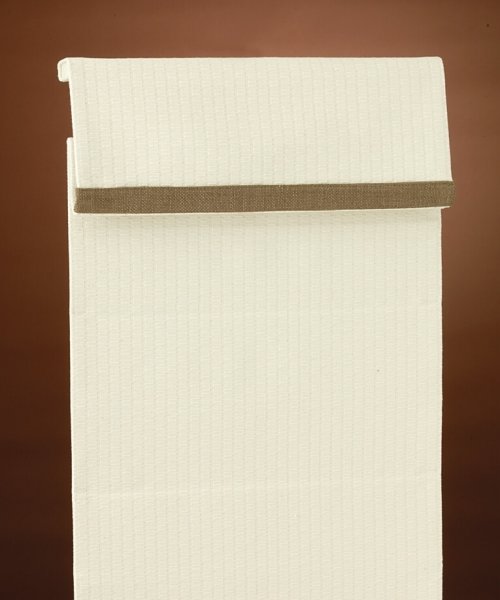
- Hand-finished seams and headings to preserve authenticity
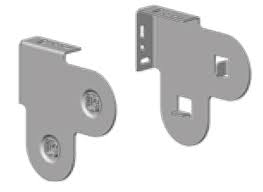
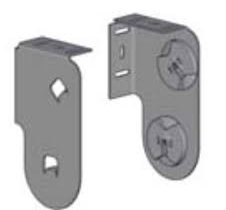
- Custom hardware fabrication to accommodate unique structural or aesthetic requirements
Every element — from the fall of a curtain to the alignment of trims — contributes to the overall sense of harmony and craftsmanship.
Collaboration Between Design and Manufacture
Heritage projects thrive on collaboration. Early consultation between interior designers, architects, and manufacturers ensures that treatments respect both the design intent and the building’s integrity. Manufacturers provide critical input on feasibility, load-bearing surfaces, and hardware solutions — ensuring design vision translates perfectly in practice.
Conclusion: Timeless Design, Modern Precision
Customising window treatments for heritage buildings is as much about restraint as creativity. It requires an appreciation of proportion, respect for materials, and technical mastery in fabrication. By uniting design expertise with precision manufacturing, every project can achieve the delicate balance between preserving history and enhancing contemporary function.