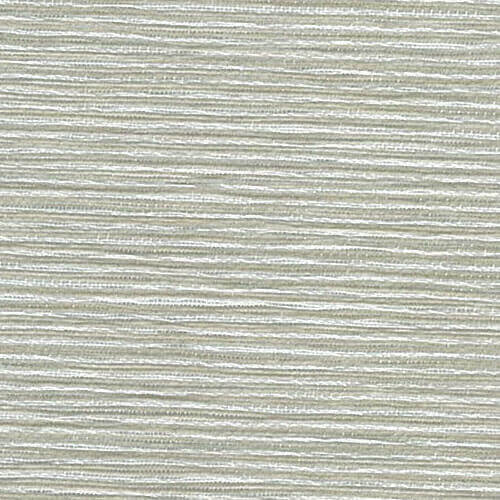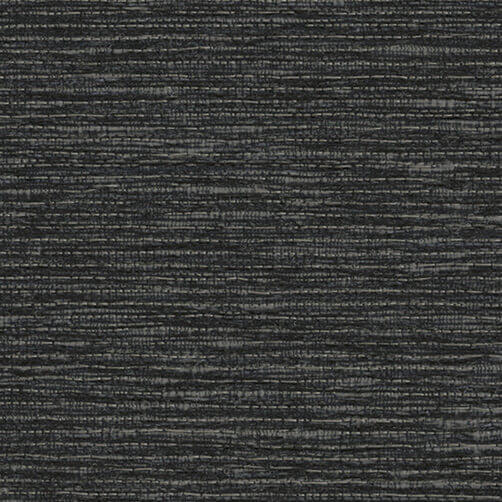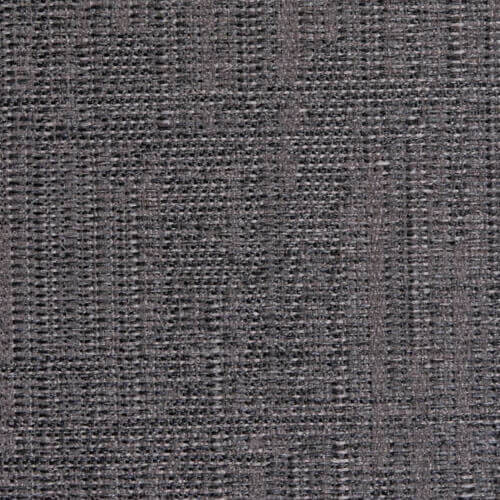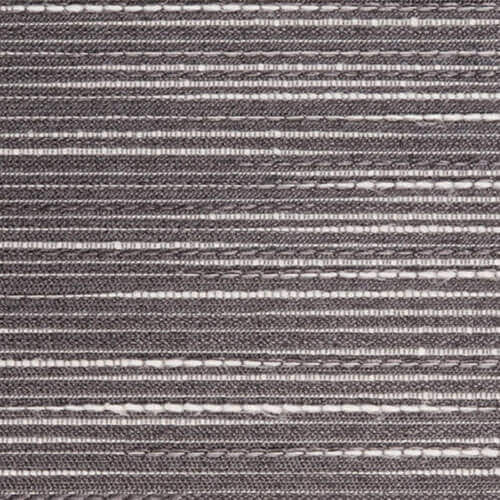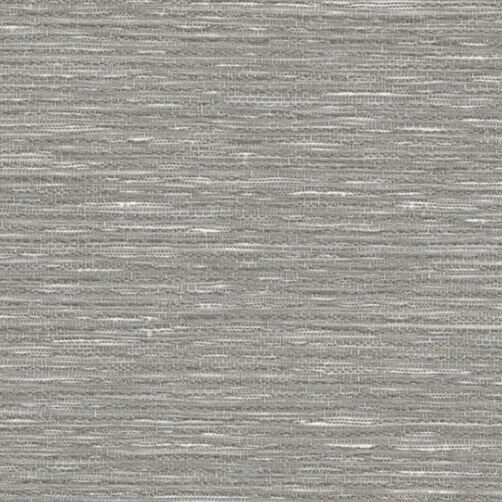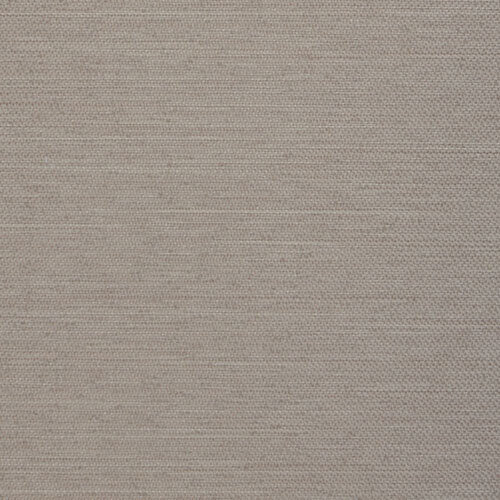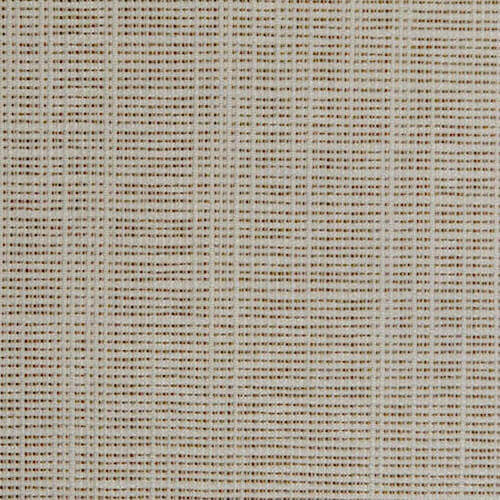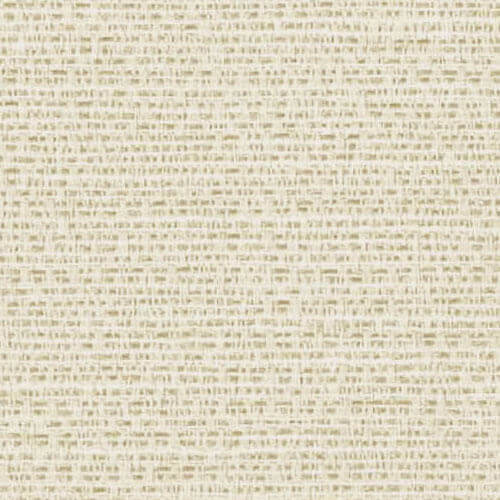

The conversation around sustainability in interiors has evolved far beyond trend — it’s now integral to how we design, specify, and manufacture. For interior designers, architects, and window furnishing specialists, fabric selection plays a crucial role in achieving both aesthetic excellence and environmental responsibility. The challenge lies in choosing materials that deliver on performance, beauty, and ethics — all without compromising design intent.
Understanding Sustainable Fabric Choices
Sustainable fabrics are defined not just by their source, but by their full lifecycle impact — from fibre production to manufacturing, use, and eventual disposal. Whether you’re specifying for drapery, soft furnishings, or upholstery, key considerations include:
- Fibre origin: Natural fibres like linen, wool, and cotton remain popular for their renewability and tactile warmth. Increasingly, recycled synthetics — such as polyester derived from post-consumer plastics — provide durable, low-impact alternatives.
- Manufacturing process: Low-impact dyeing, water-efficient production, and certifications like OEKO-TEX® or GOTS ensure transparency and reduced chemical use.
- Longevity and durability: True sustainability lies in quality. Fabrics that last longer reduce waste, offering enduring beauty over disposable trends.
When clients supply their own materials, collaborating with experienced manufacturers ensures appropriate linings, weight balancing, and fabrication techniques that preserve both aesthetic and environmental integrity.
Balancing Aesthetics with Environmental Performance
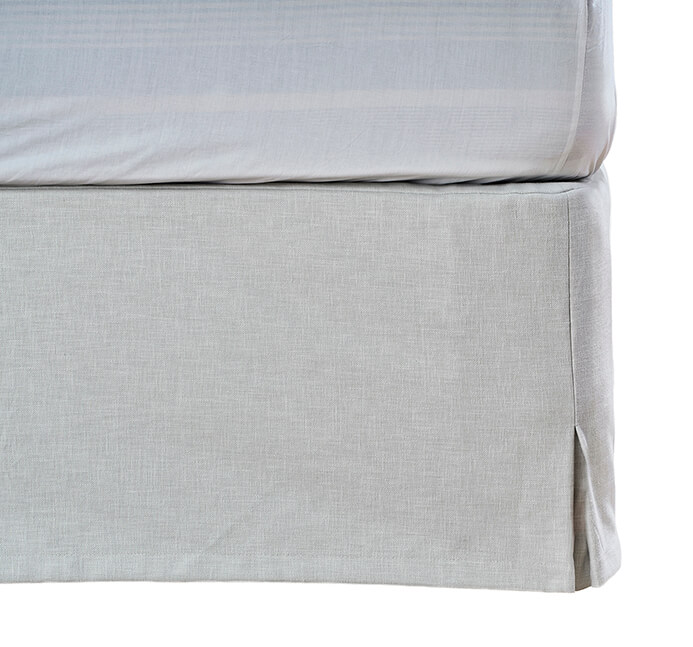
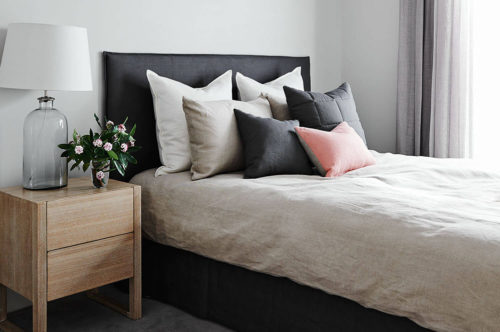
Sustainability and design excellence are no longer opposing forces. Modern eco-conscious fabrics come in sophisticated palettes and textures that align perfectly with luxury interiors and commercial fit-outs.
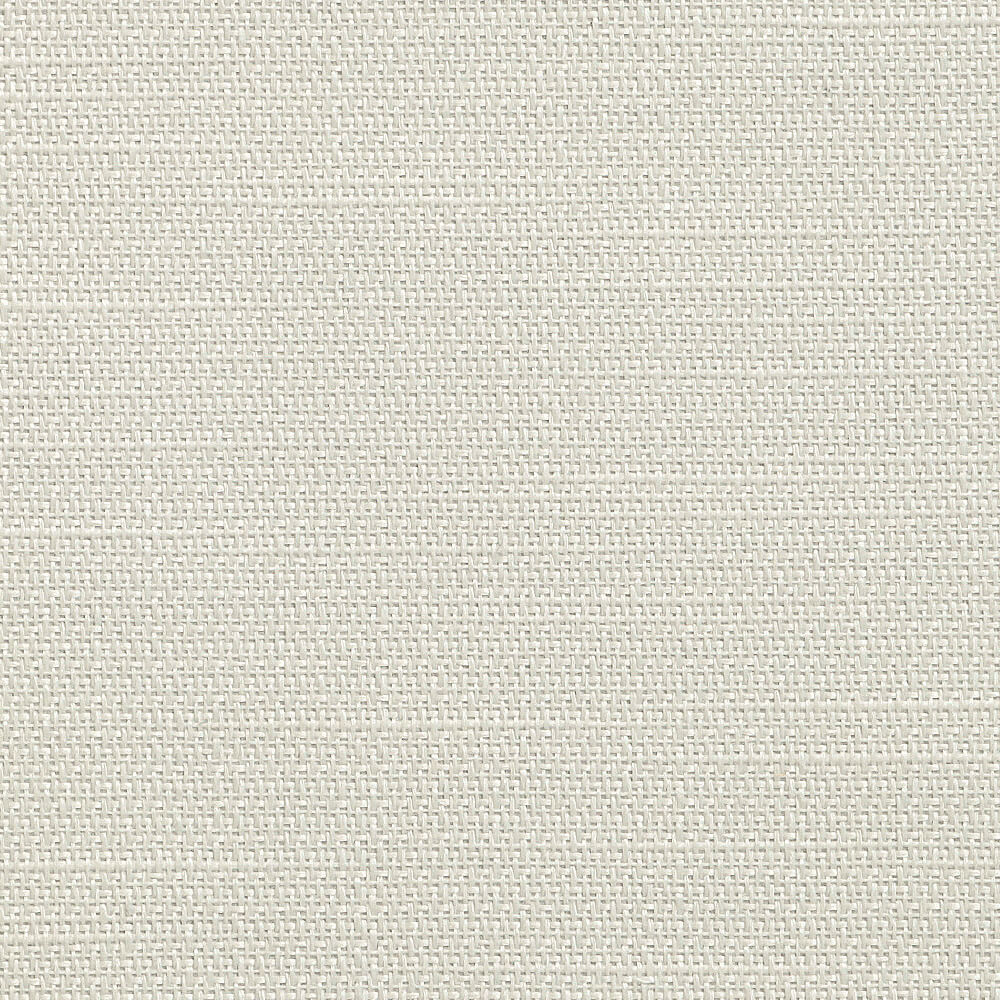
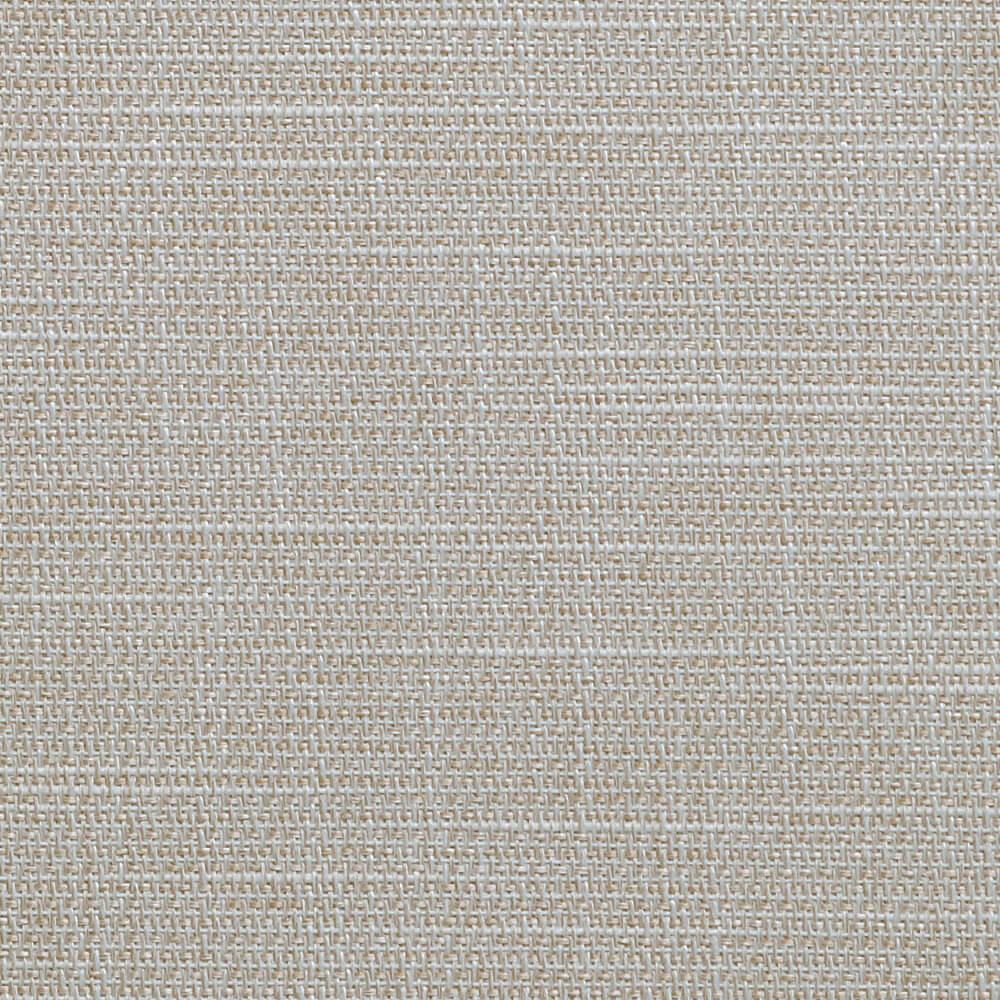
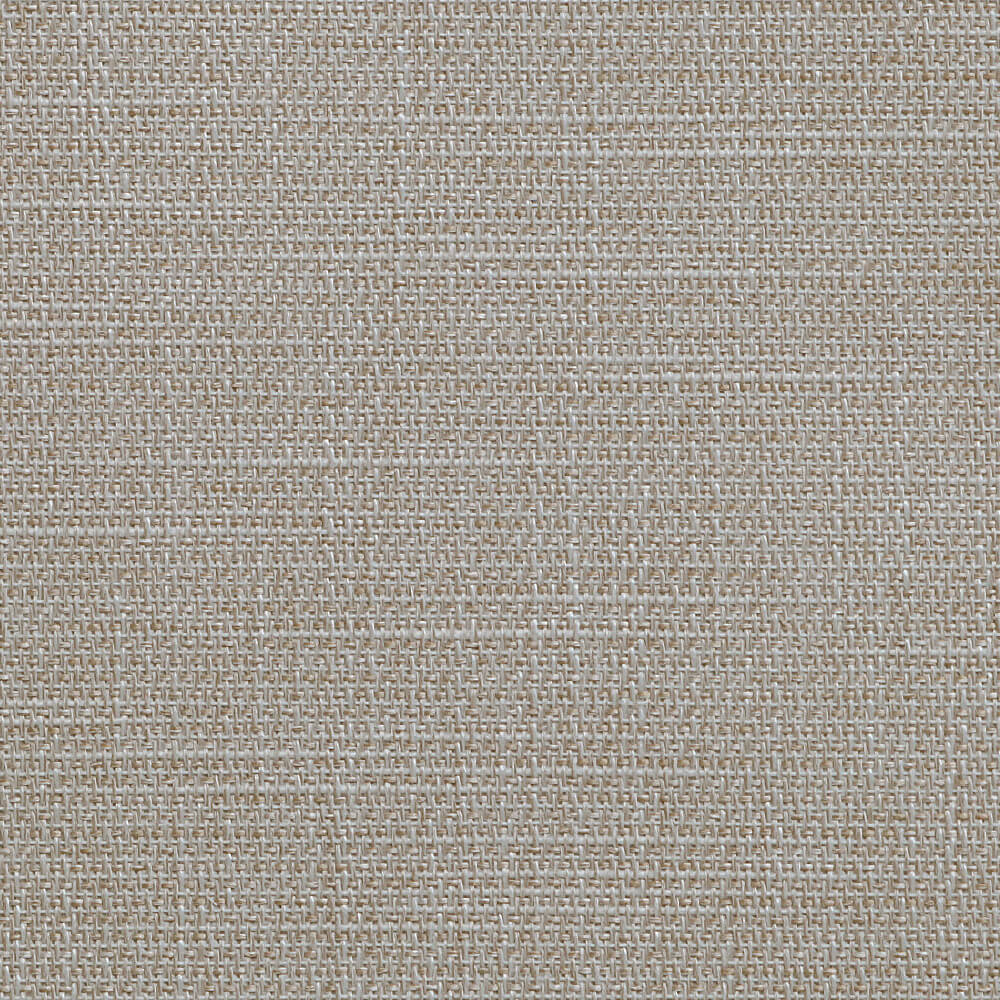
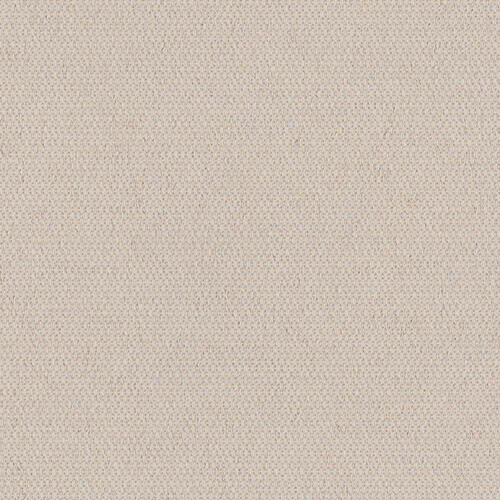
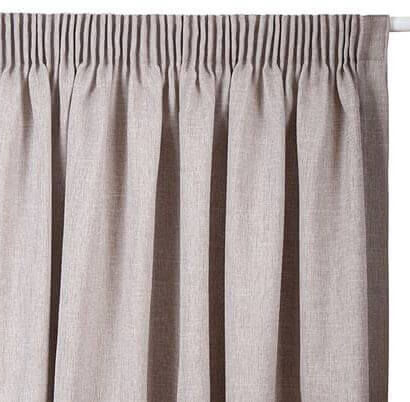
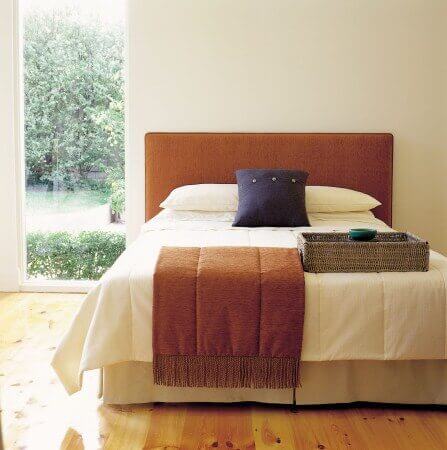
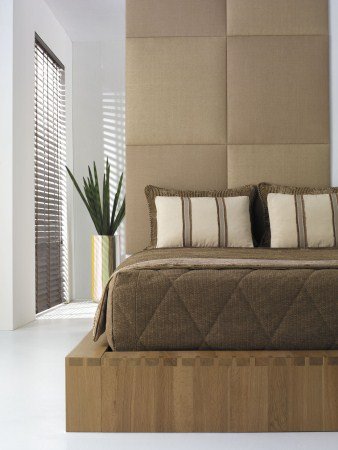
- Soft neutrals and muted earth tones: Reflect natural materials and create serene, timeless environments.
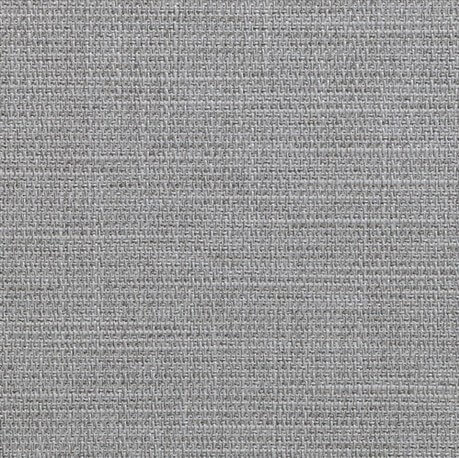
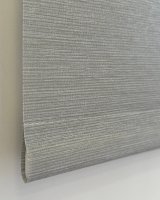
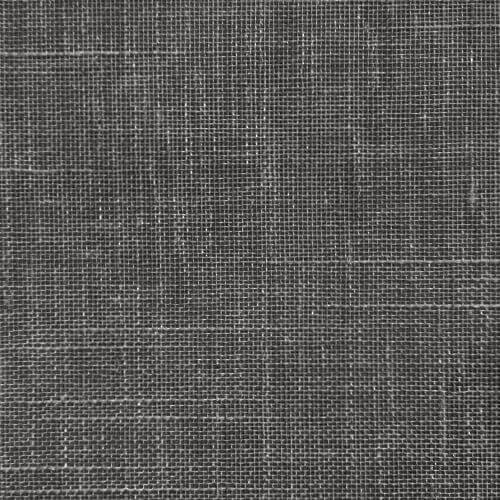
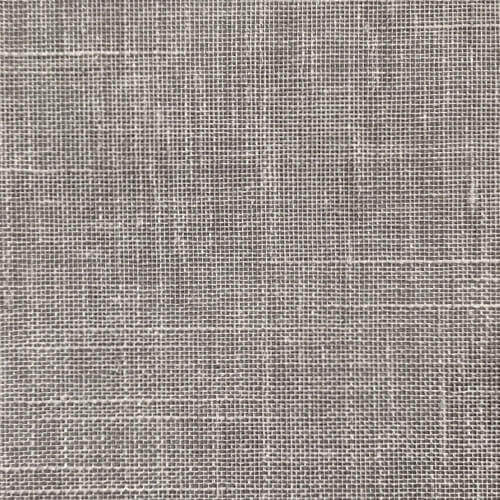
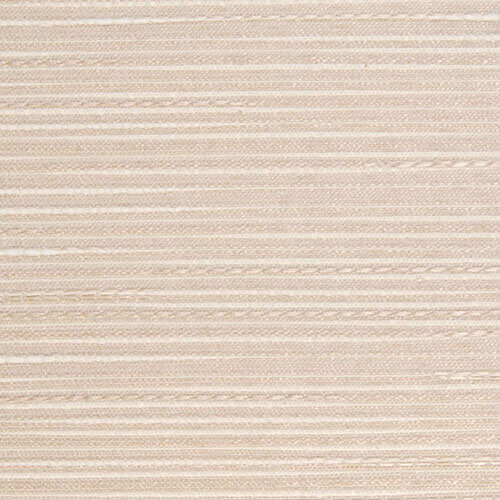
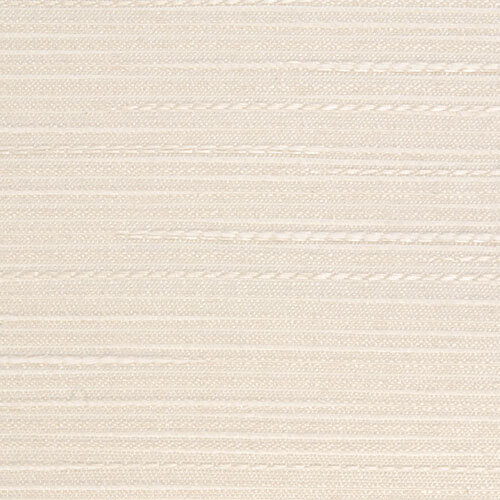
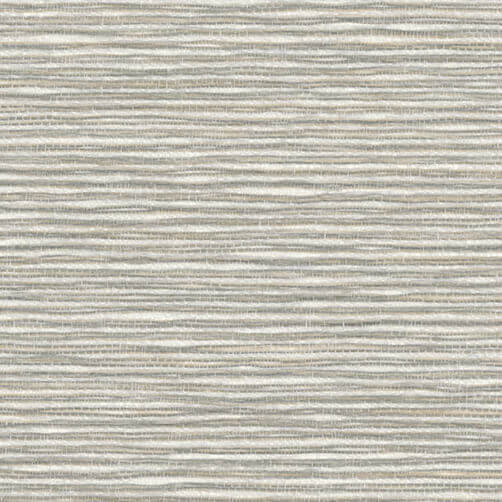
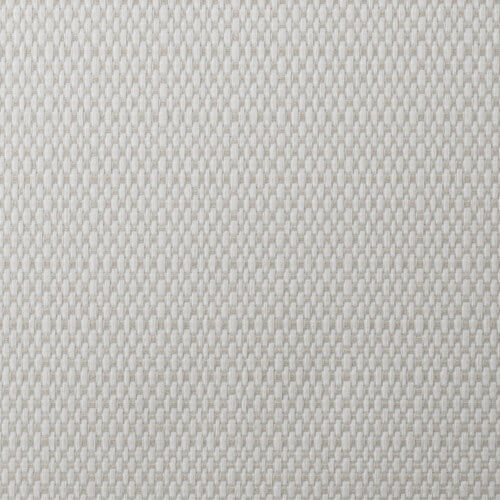
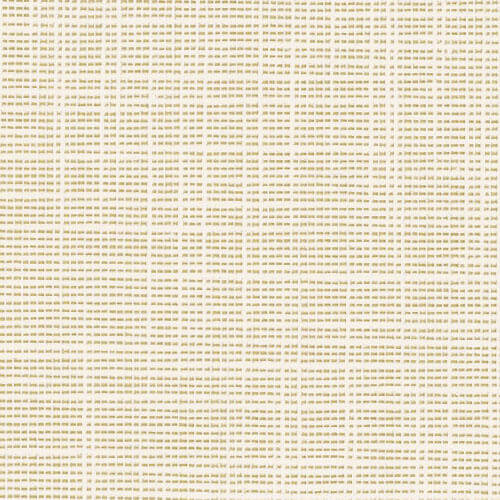
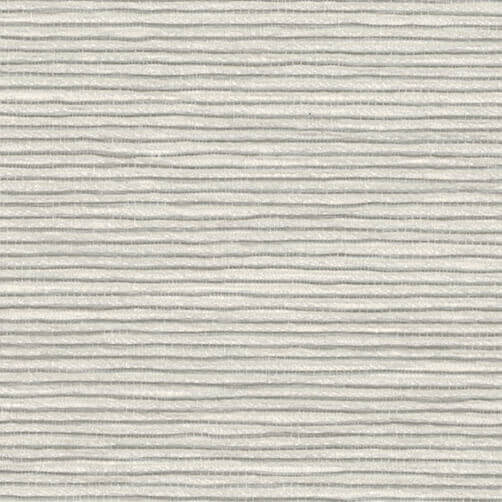
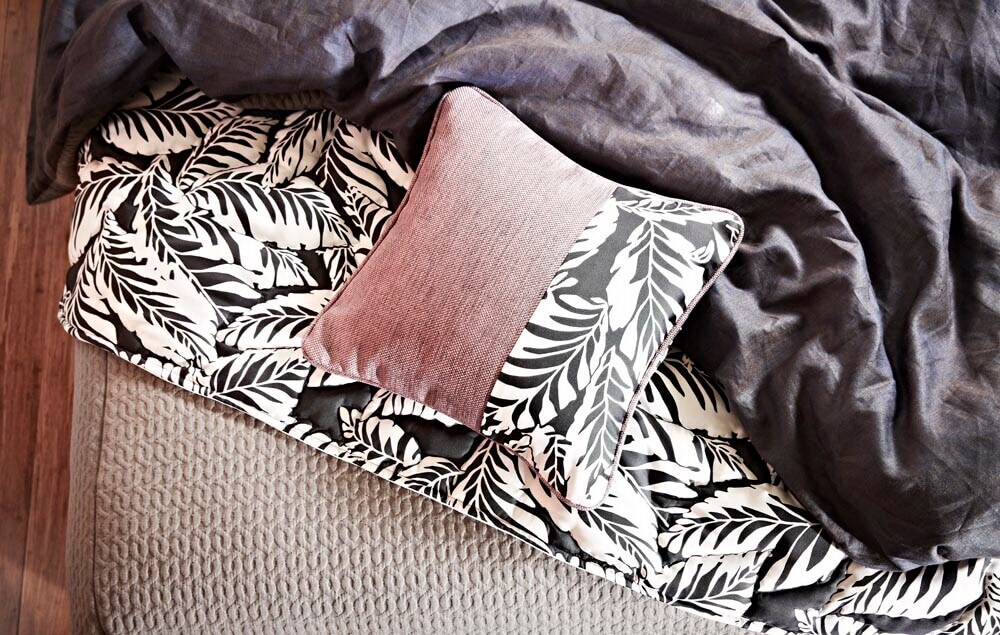
- Textural interest: Slubbed linens, boucle blends, and wool felts add depth while maintaining environmental credentials.
- Performance finishes: Eco-friendly coatings and inherently fire-retardant fibres support compliance in commercial settings.
These materials demonstrate that sustainability can enhance — not limit — design creativity.
The Designer–Manufacturer Collaboration
To ensure the success of sustainable fabric projects, collaboration between designer and manufacturer is essential. Early consultation allows for:
- Evaluation of fabric composition and suitability for specific applications.
- Guidance on interlining, pattern repeat, or seam placement to minimise waste.
- Integration of linings that support insulation and energy efficiency in the finished product.
This synergy between design and production ensures that aesthetic vision aligns with sustainable performance outcomes.
Sustainable Fabrics in Practice
Designers across Australia are increasingly combining eco-conscious materials with high-end design intent. Examples include:
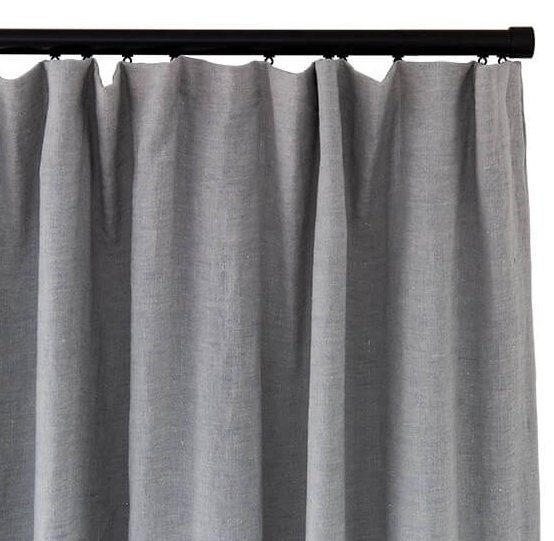
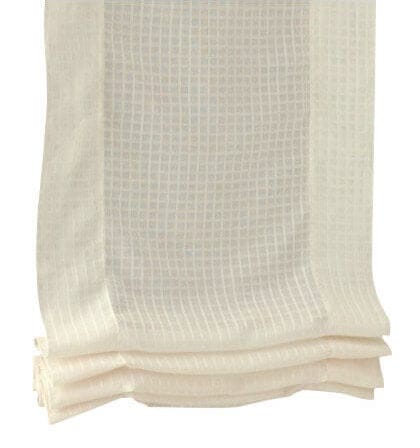
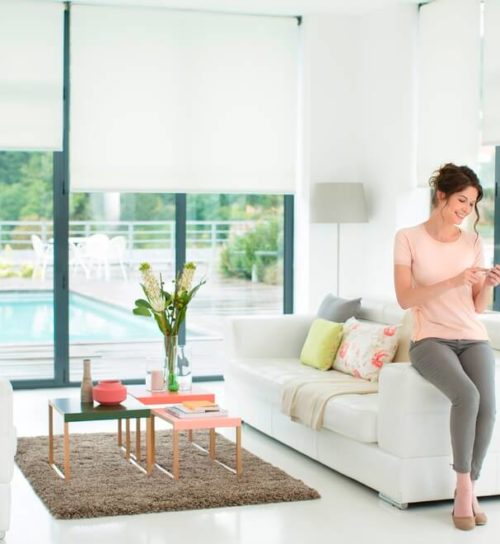
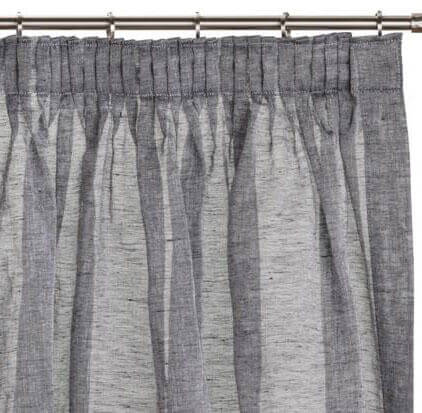
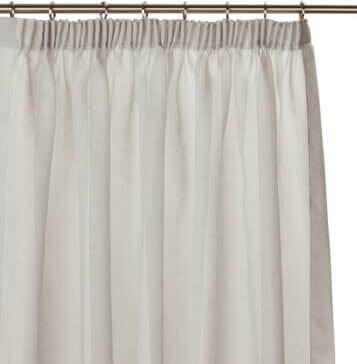
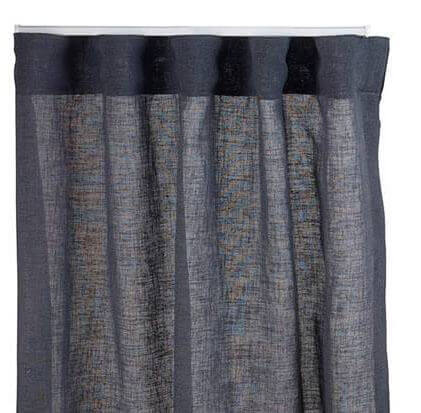
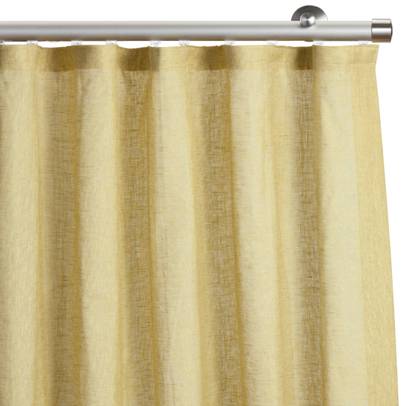
- Sheer organic linen drapes that diffuse natural light while promoting thermal comfort.
- Recycled polyester blends used in commercial curtains for their strength and easy maintenance.
- Natural wool upholsteries chosen for acoustic absorption in hospitality and education settings.
Every project benefits when fabric selection contributes to both environmental and sensory experience, creating interiors that feel as good as they look.
Crafting a Sustainable Future
Incorporating sustainable fabrics into modern interiors is as much about mindset as material. It requires a commitment to thoughtful selection, precise manufacturing, and long-term durability. When these elements come together, designers achieve more than a beautiful result, they contribute to a more responsible and enduring built environment.