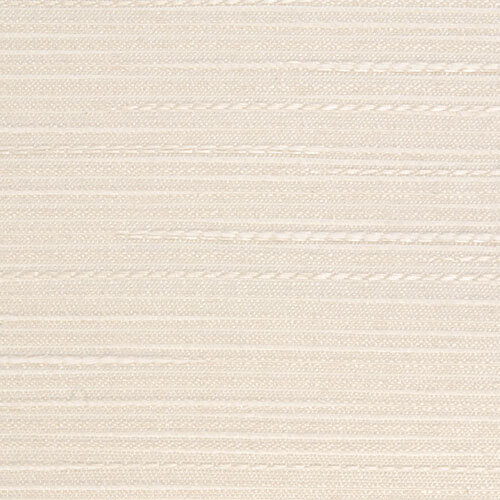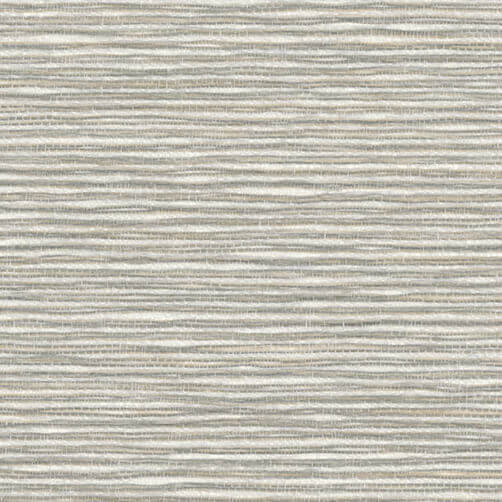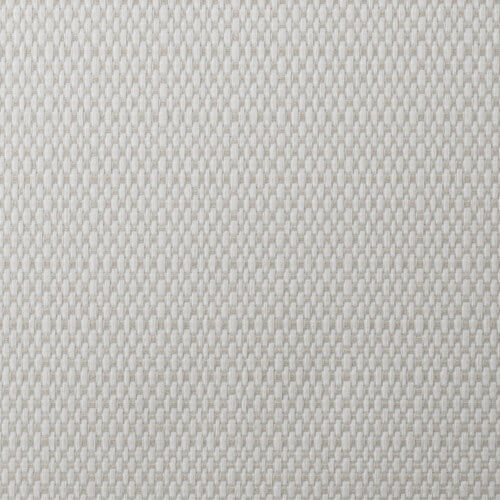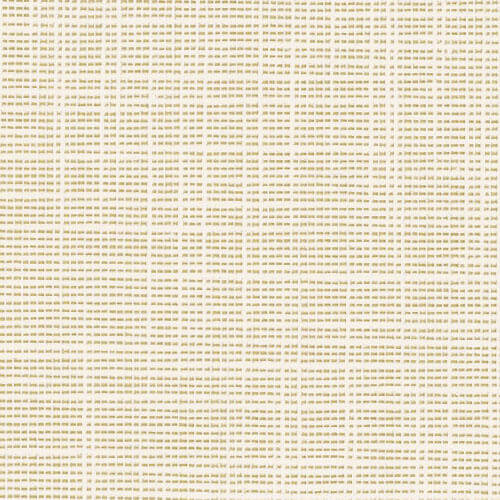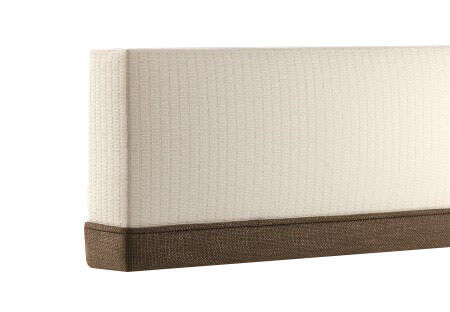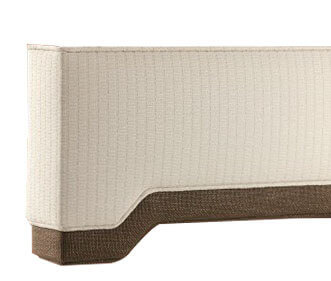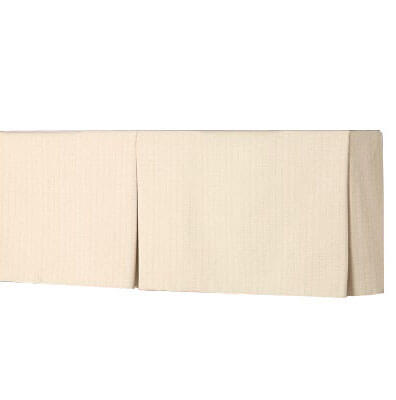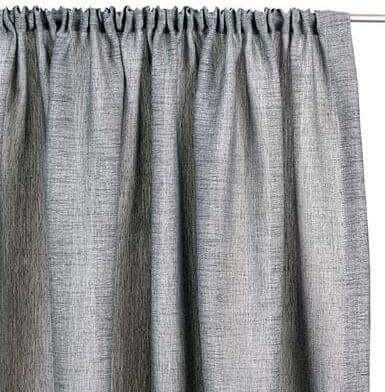

As the warmer months approach, interiors shift toward lightness — visually, atmospherically, and texturally. Designers and specifiers often reassess window treatments to optimise natural light, ventilation, and comfort without compromising on sophistication. The goal is to create interiors that feel cool, open, and effortless, while still delivering on functionality and craftsmanship.
For interior designers, architects, and window furnishing specialists, summer projects are an opportunity to explore fabrics, forms, and finishes that celebrate light itself.
Designing with Lightness in Mind
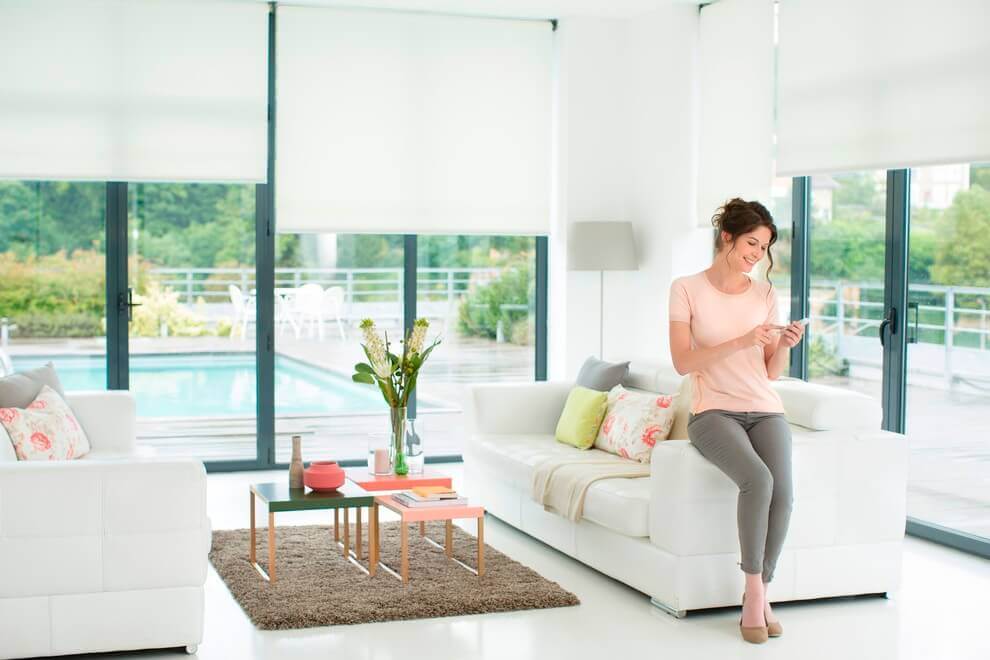
Summer interiors thrive on balance — allowing daylight to fill a space without glare, and maintaining privacy without heaviness. The key lies in thoughtful material choice and fabrication.
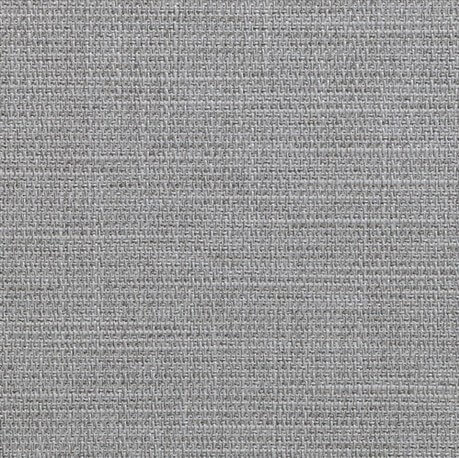
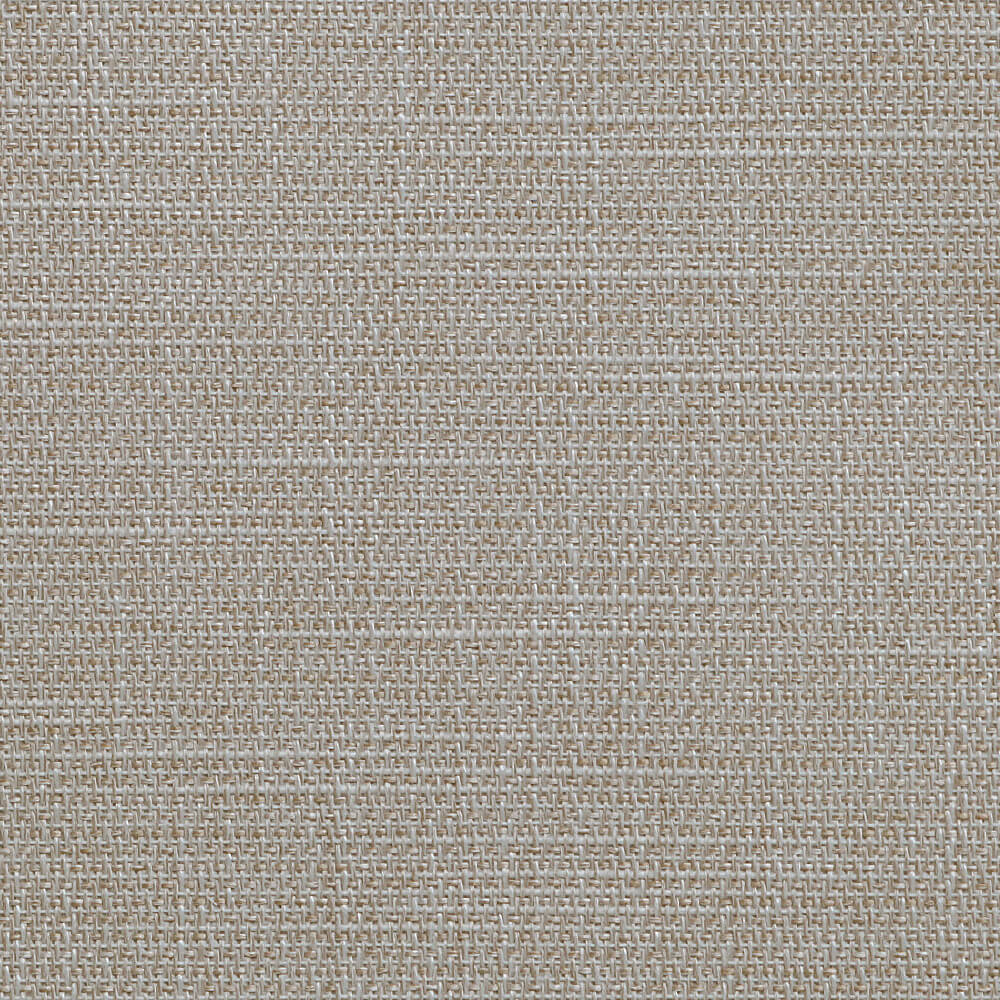
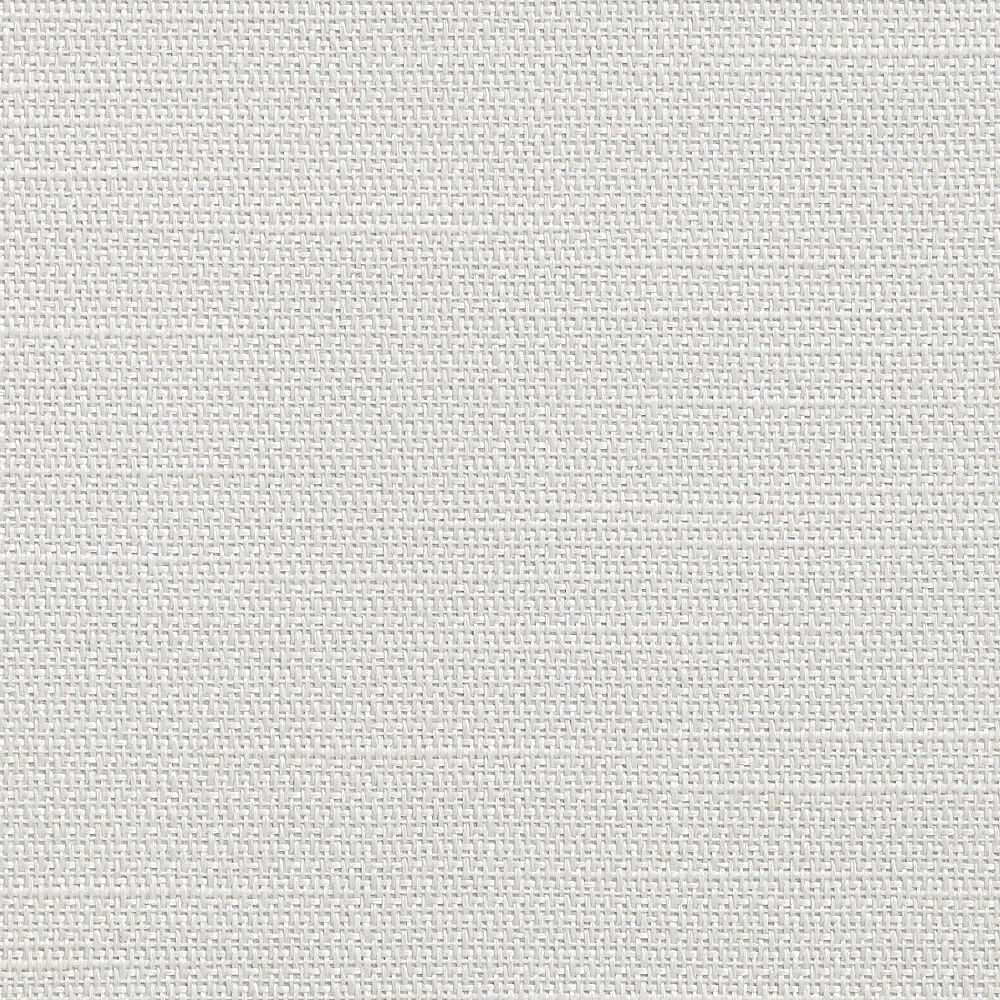
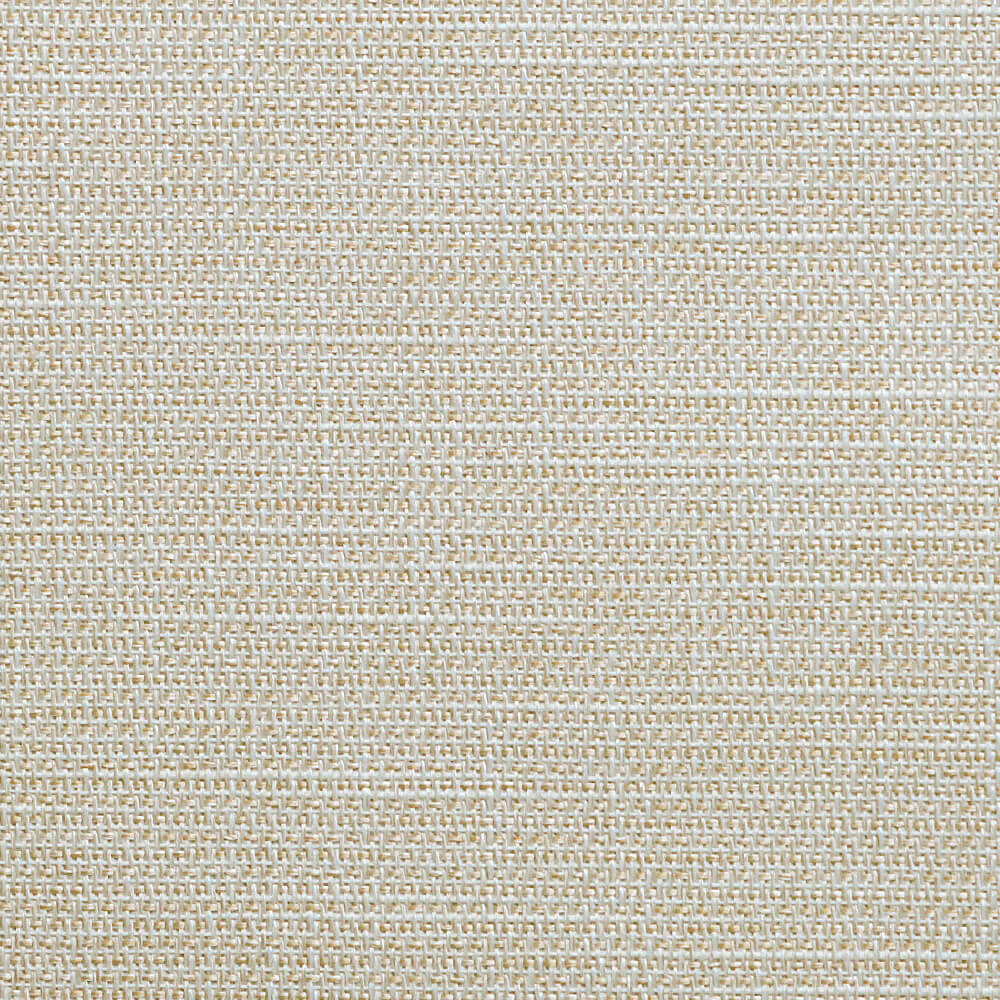
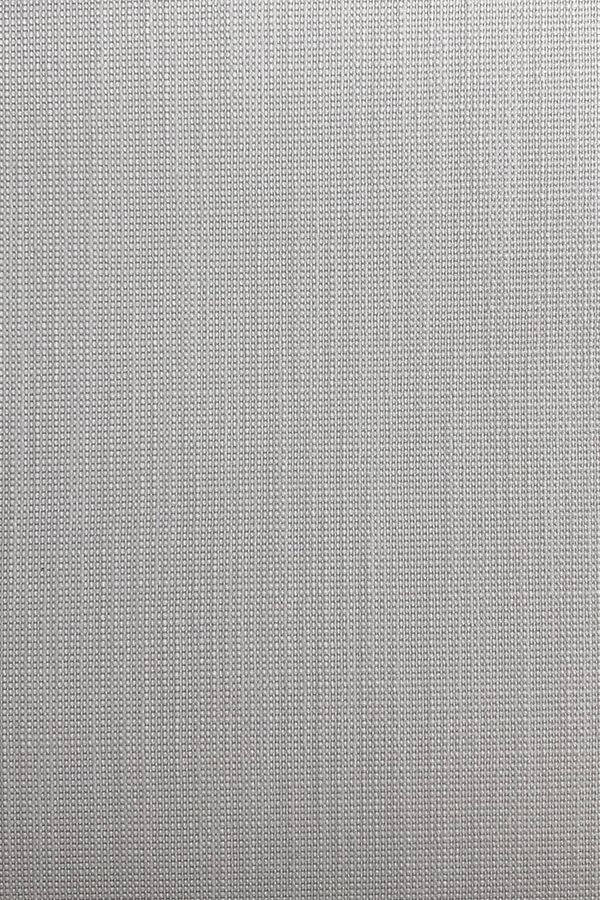
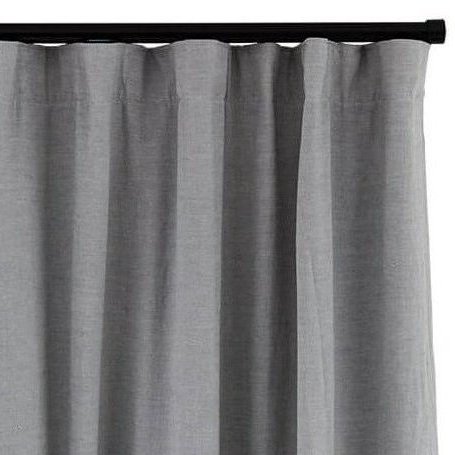
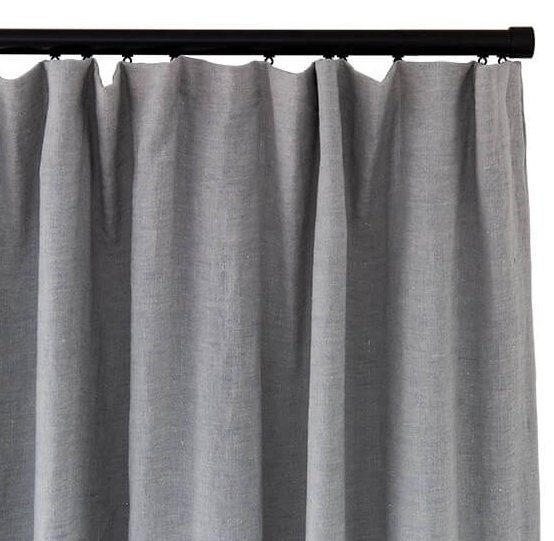
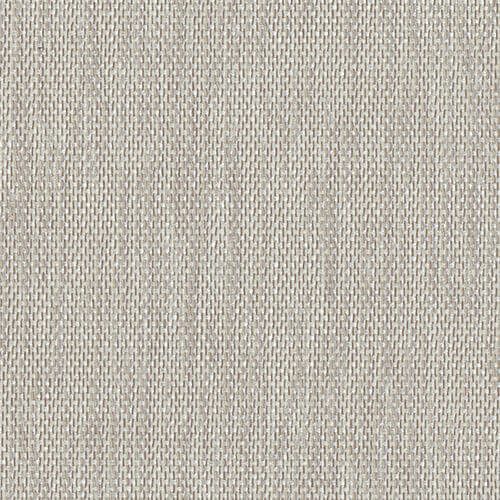
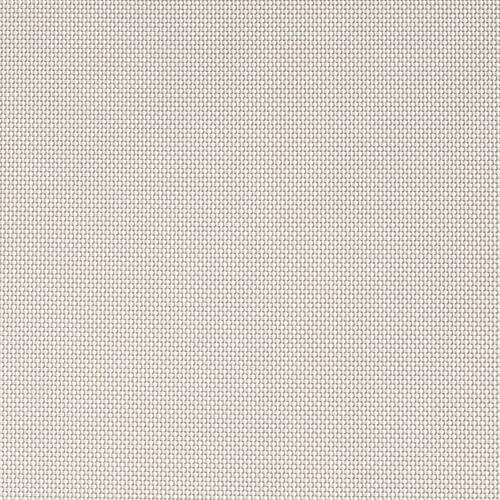
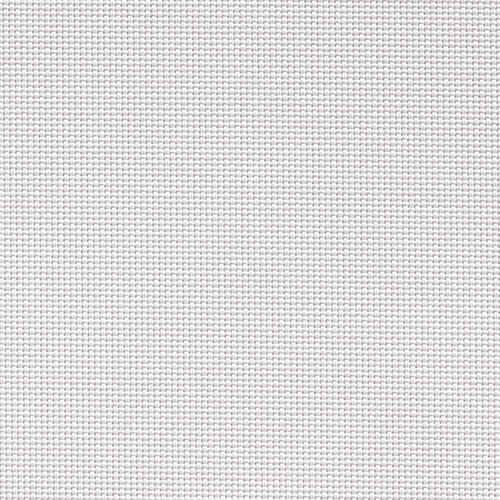
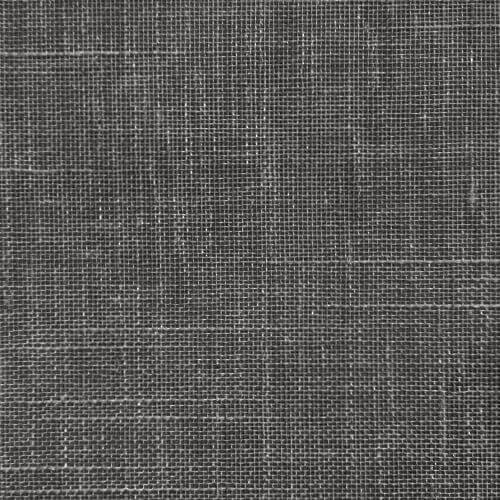
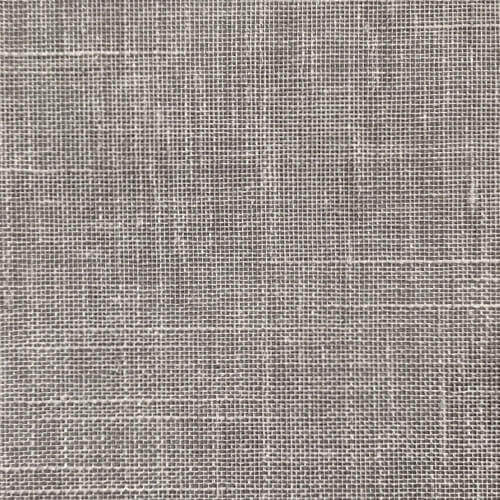
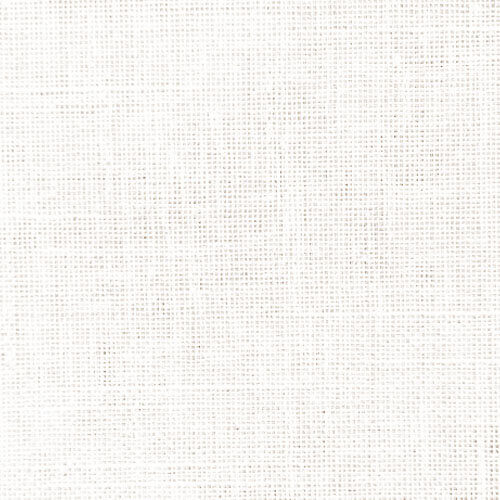
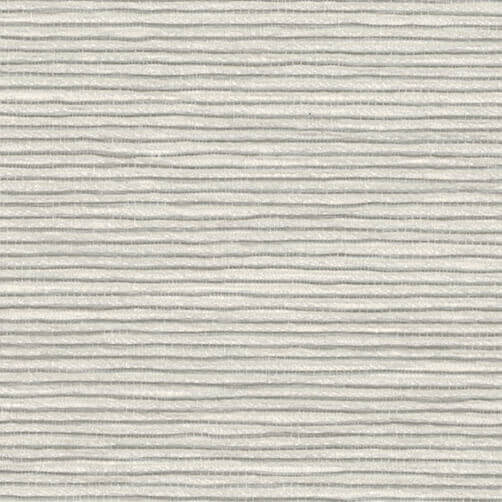
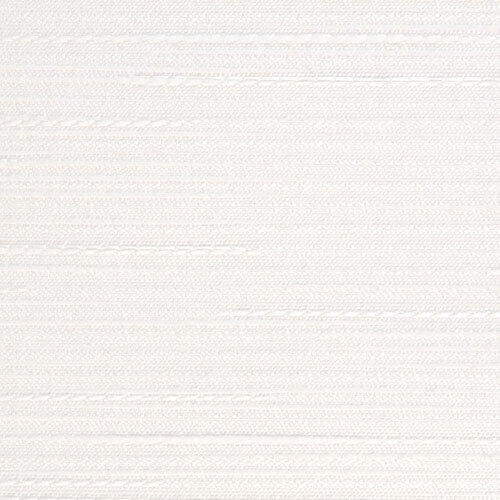
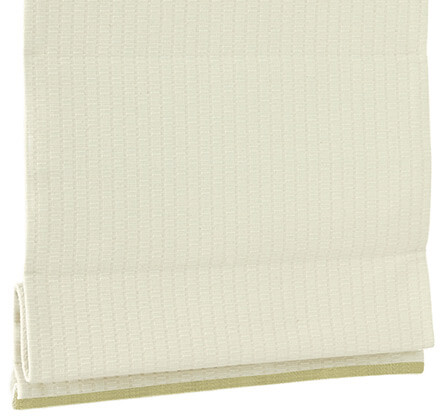
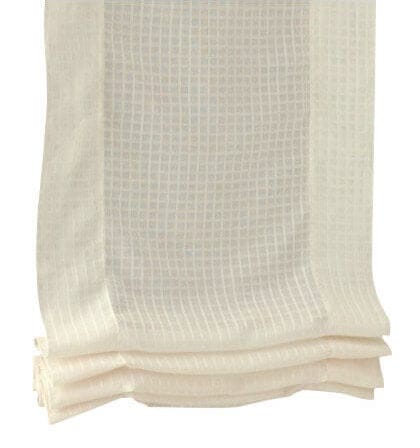
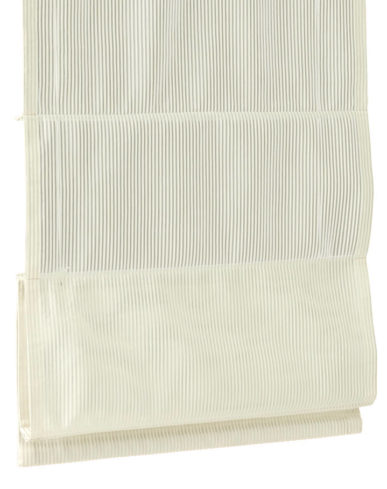
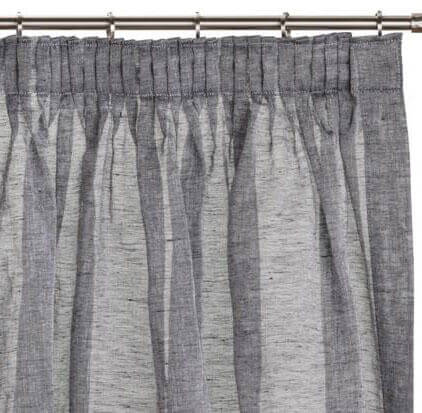
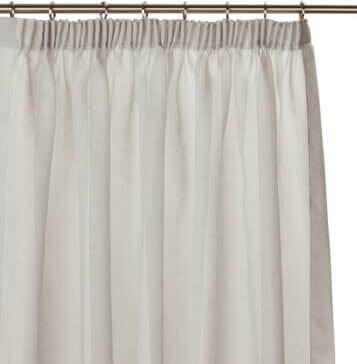
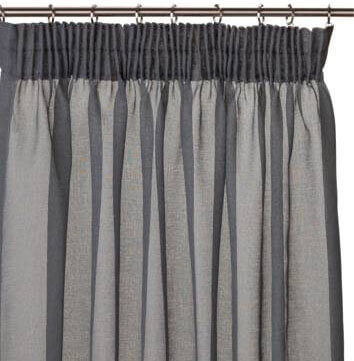
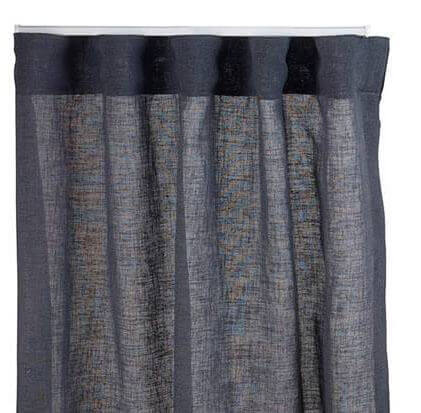
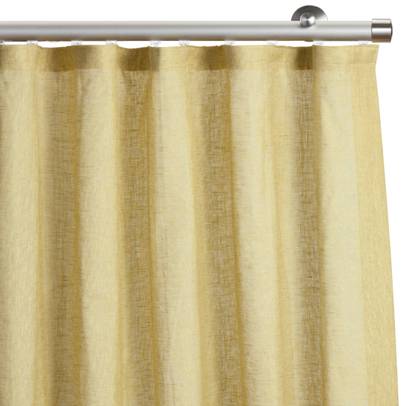
- Sheer and semi-sheer fabrics: Linen, voile, and fine polyester blends provide soft light diffusion, framing exterior views while maintaining thermal comfort.
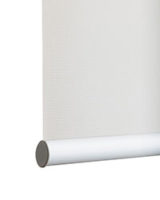
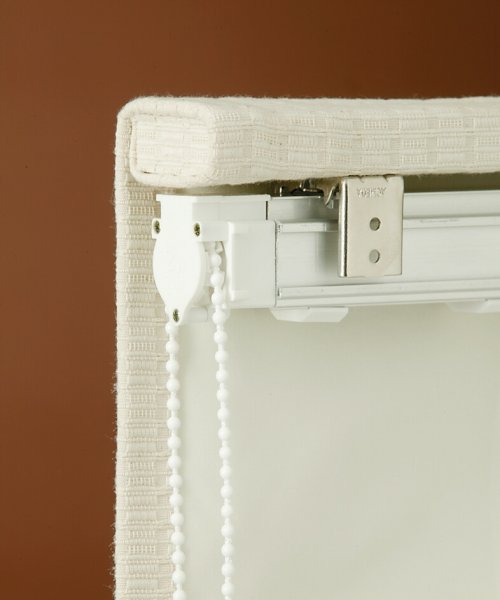
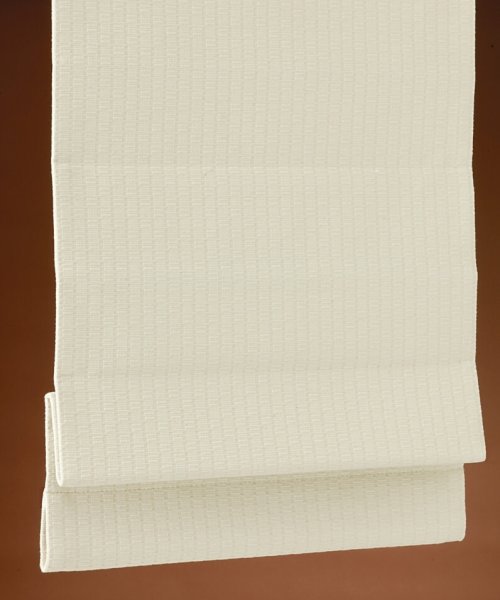
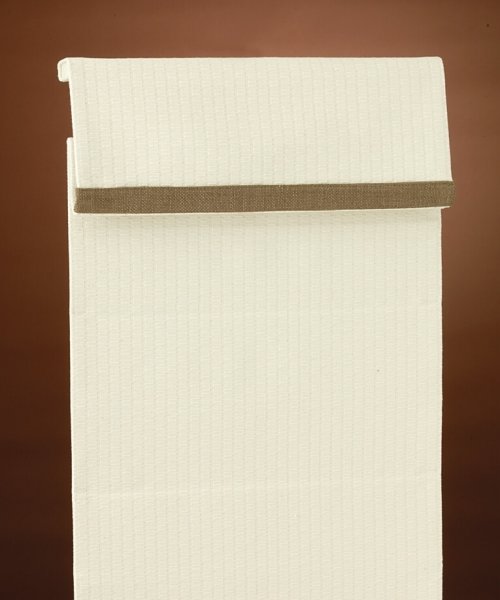
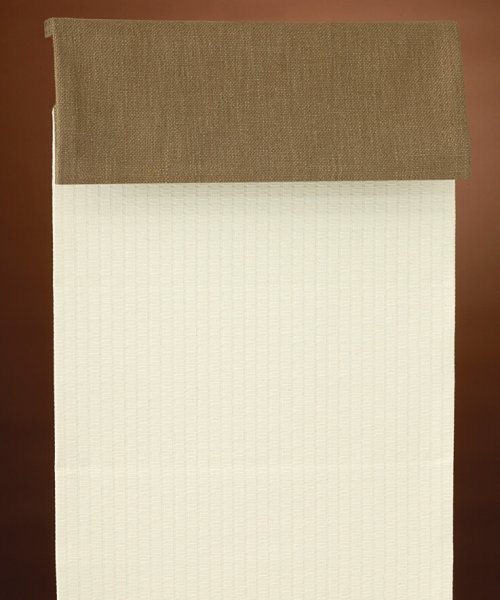
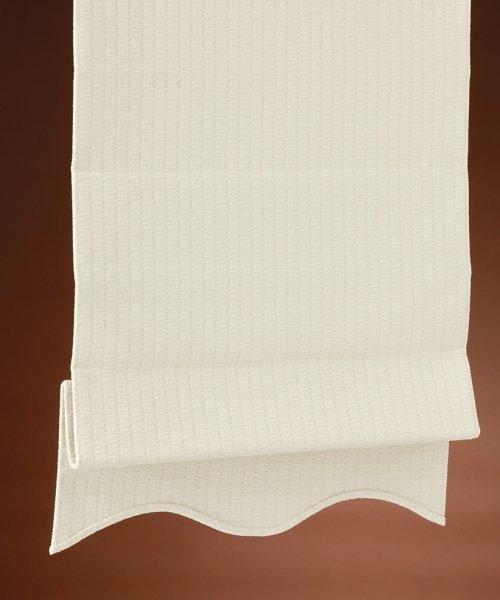
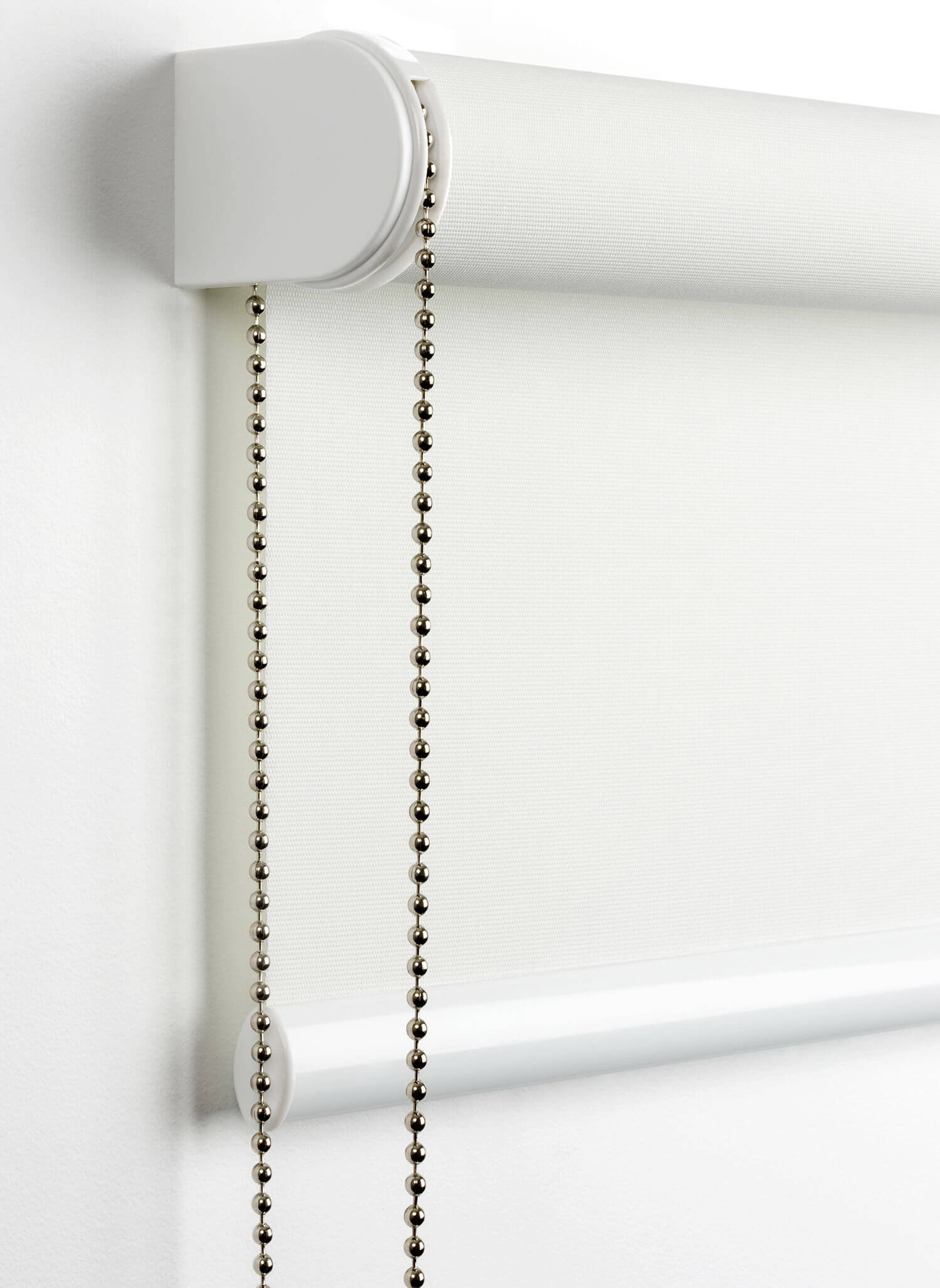
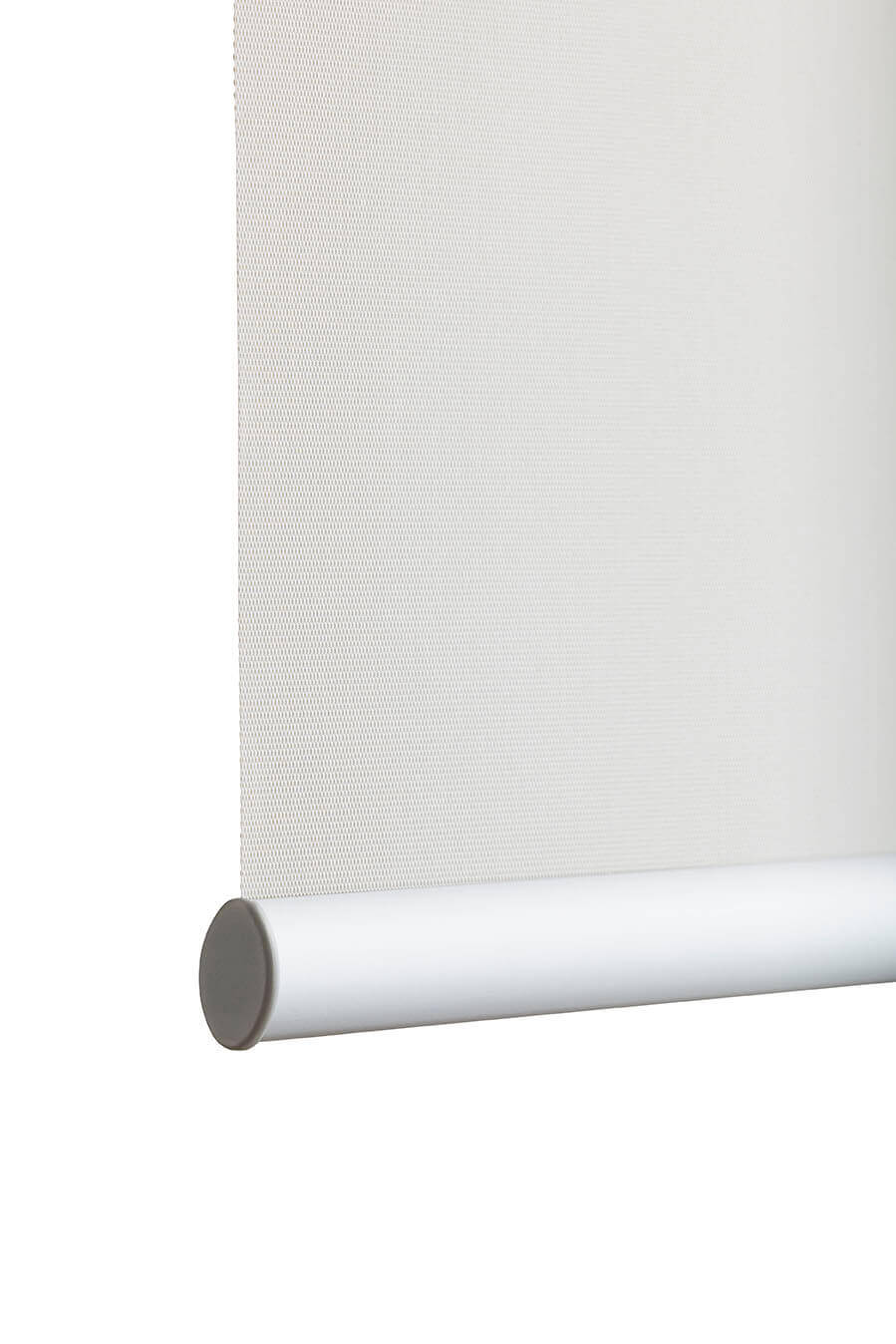
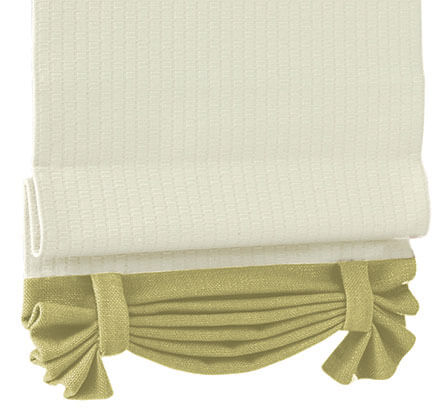
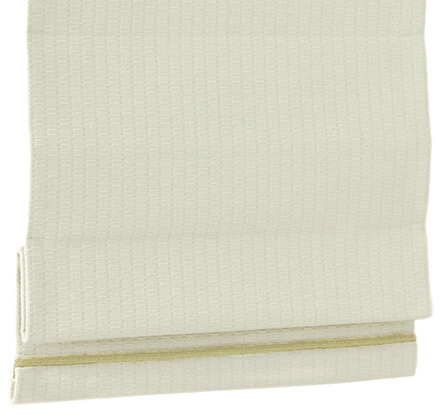
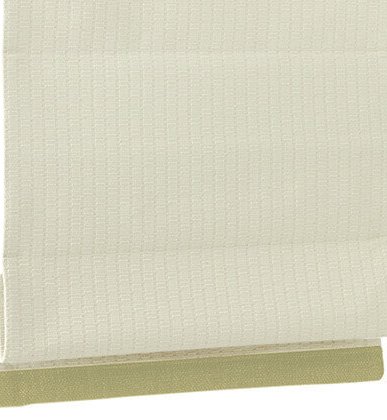
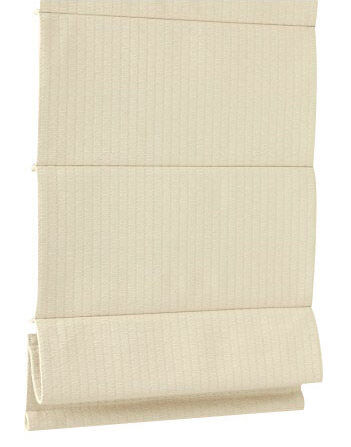
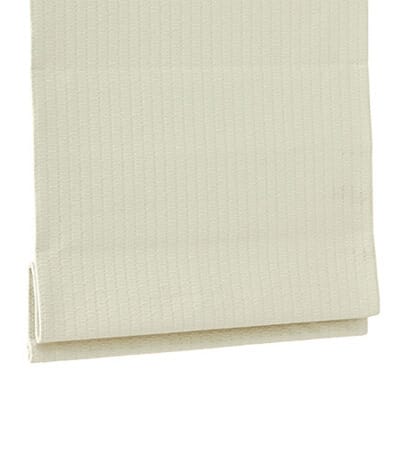
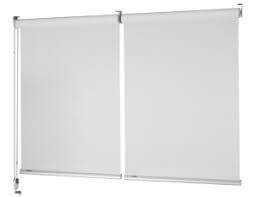
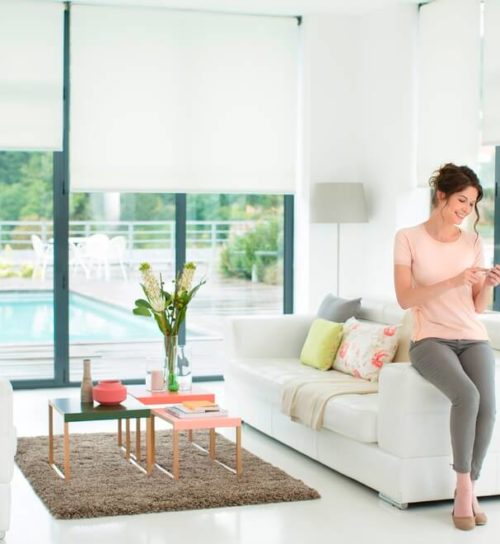
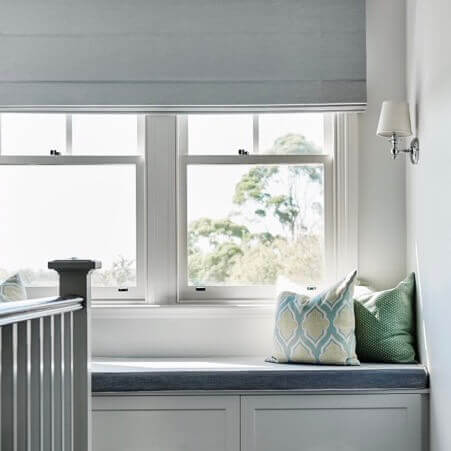
- Layered configurations: Combining sheer curtains with lightweight roller or Roman blinds offers flexibility throughout the day — open for natural ventilation, filtered for glare reduction, and closed for insulation at night.
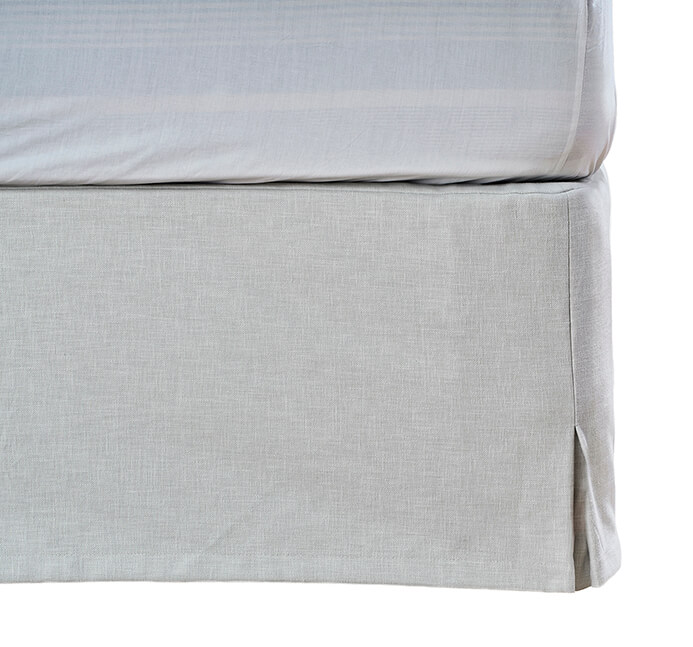
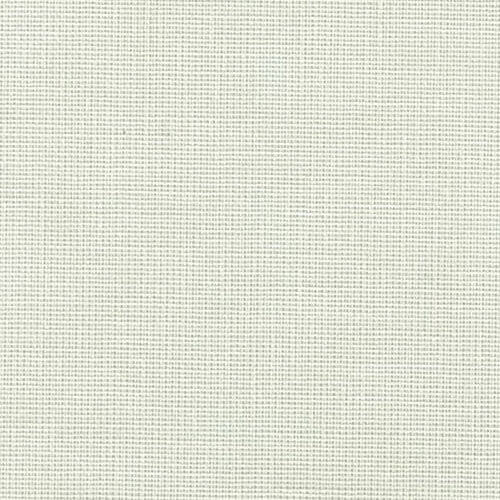
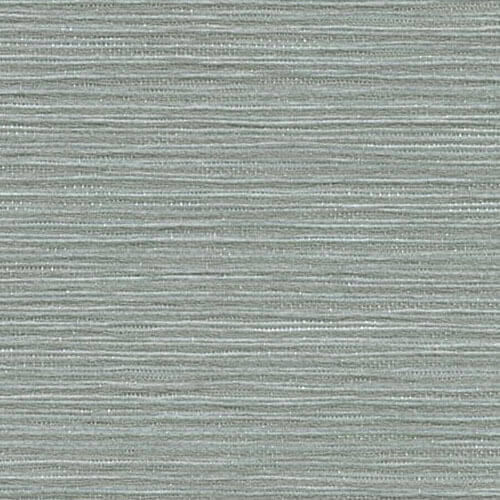
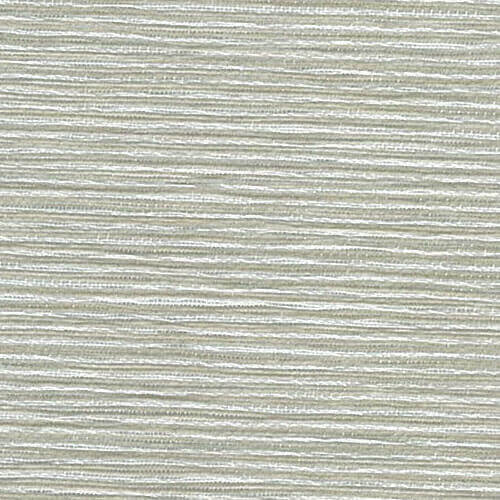
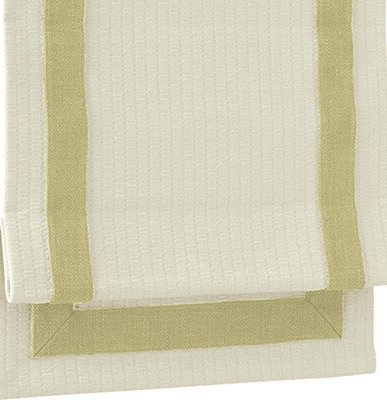
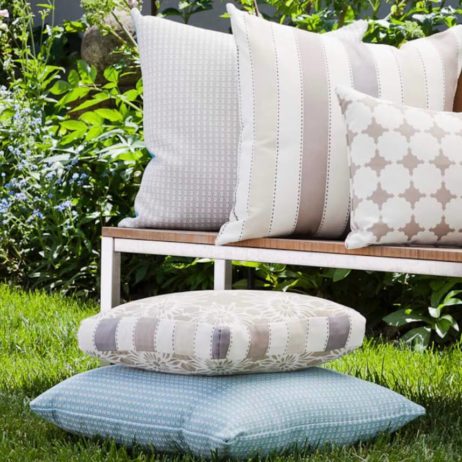
- Soft tonal palettes: Whites, creams, sage, and stone hues amplify the perception of light, creating an inviting and relaxed environment.
The design principle is not simply minimalism — it’s transparency, both visual and atmospheric.
Material Selection: Function Meets Form
The ideal summer fabric feels weightless yet performs under heat and light exposure. Understanding fibre behaviour ensures longevity and functionality:
- Natural fibres such as cotton and linen allow airflow, offering tactile softness and breathability.
- Performance sheers with UV protection safeguard interiors from fading, extending the life of furnishings and flooring.
- Moisture-resistant blends are ideal for coastal or high-humidity environments, preventing mildew and maintaining crisp structure.
When designers supply their own fabrics, collaboration with the manufacturer ensures appropriate linings and headings to maintain both drape and durability in warmer climates.
Enhancing Airflow and Light Control
Window treatments in summer must balance openness with practicality. Architectural coordination is key:
- Recessed tracks create a seamless look, allowing sheers to flow unobstructed.
- Motorised systems enable easy adjustment throughout the day, particularly in high or sun-facing windows.
- Light-filtering linings offer gentle control without blocking natural illumination.
Combining these design considerations with high-quality fabrication delivers a finished product that feels effortless yet highly considered.
Craftsmanship and Fabrication Techniques
Summer-weight fabrics require a delicate hand during production. Precision in cutting and stitching prevents distortion in lighter materials, while fine hems and micro-pleats maintain a crisp, elegant finish.
Workroom specialists often employ:
- Weighted hems to ensure movement without excessive billowing.
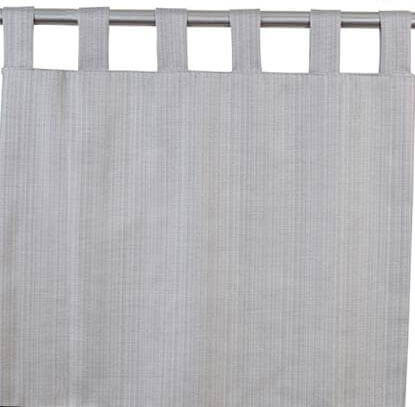
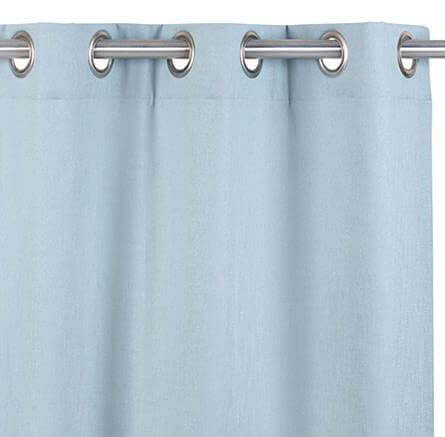
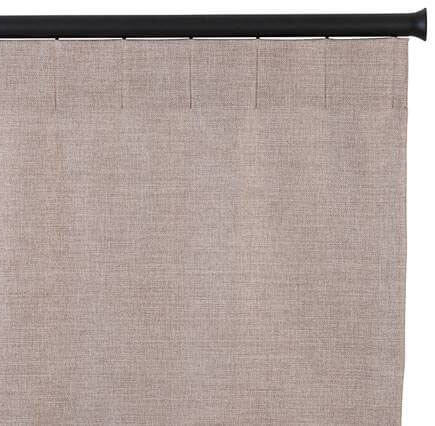
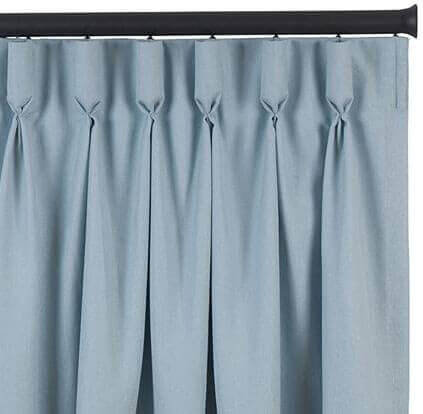
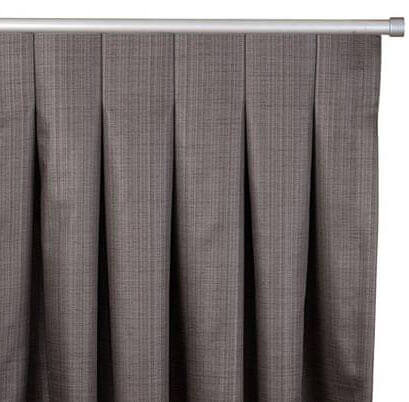
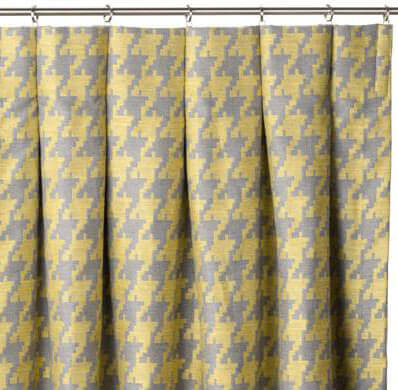
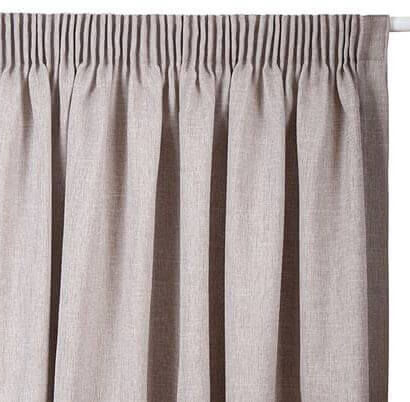
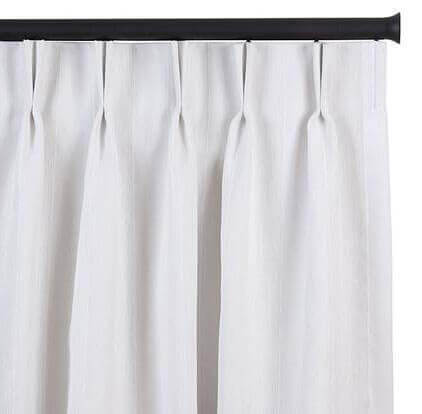
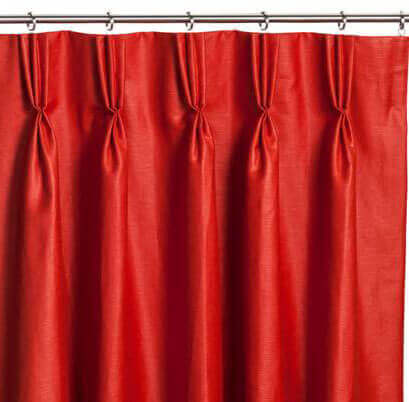
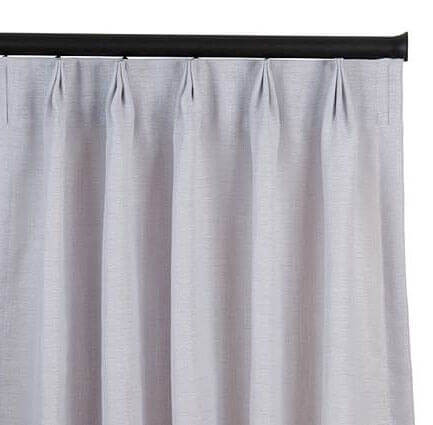
- Pinch, pencil, or S-fold headings to preserve drape consistency.
- Invisible stitching for sheers, maintaining a clean architectural line.
The craftsmanship is subtle — designed to enhance the architecture rather than draw attention to itself.
Summer Styling and Design Direction
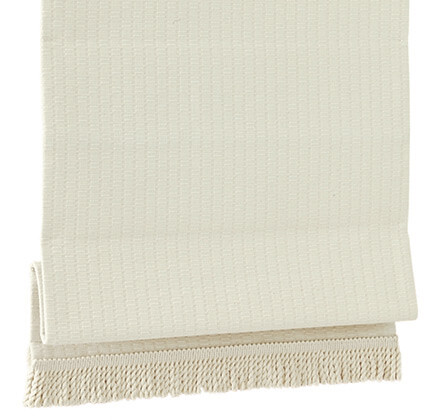
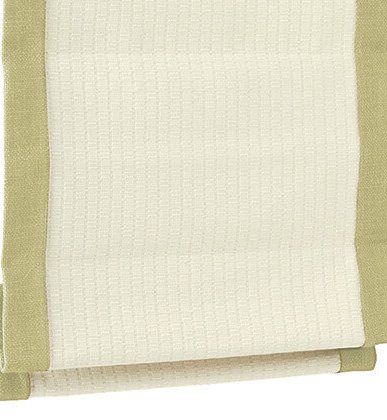
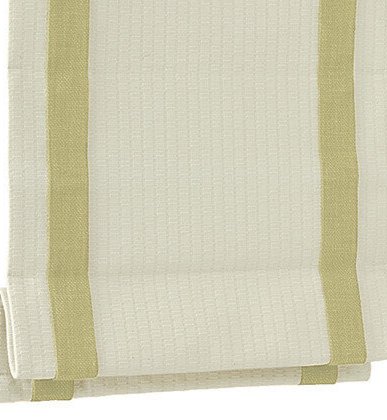
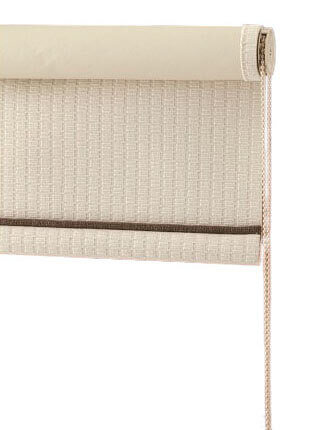
Light and airy doesn’t mean sparse. Thoughtful layering with complementary textures — such as woven blinds, organic upholstery fabrics, and natural flooring — adds depth and dimension. For luxury residences, pairing sheer linen curtains with decorative trims in ivory or pale metallics introduces refinement without heaviness.
In hospitality or multi-residential projects, combining sheers with high-performance blackout blinds offers a balance between aesthetic lightness and commercial practicality.
Conclusion: Capturing the Essence of the Season
The best summer interiors feel calm, bright, and alive with natural energy. Achieving this begins with the right fabric and fabrication decisions — choices that prioritise texture, proportion, and craftsmanship.
Through refined material selection and expert manufacturing, window treatments become more than functional shading — they become architectural elements that define the way light moves through space.
Summer is a reminder that great design doesn’t rely on excess — it relies on clarity, precision, and the quiet beauty of well-made things.