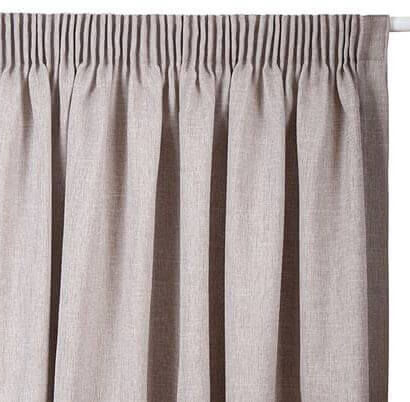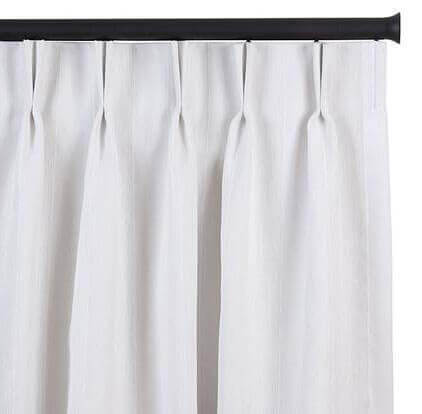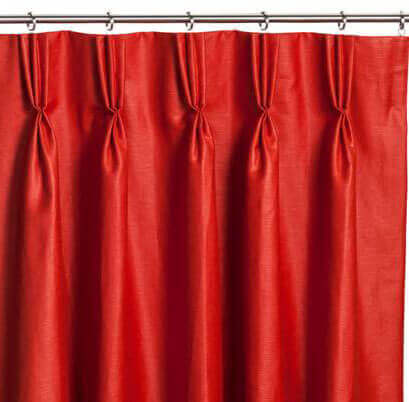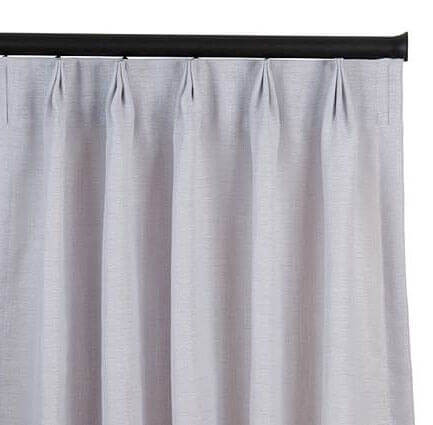

Selecting Fabrics that Enhance Natural Light in Interiors
Natural light is one of the most valuable elements in interior design. It defines space, affects colour perception, and contributes profoundly to the atmosphere and comfort of a room. For designers and architects, managing the relationship between light and fabric is both a creative and technical exercise that requires understanding texture, transparency, and the subtleties of fabrication.
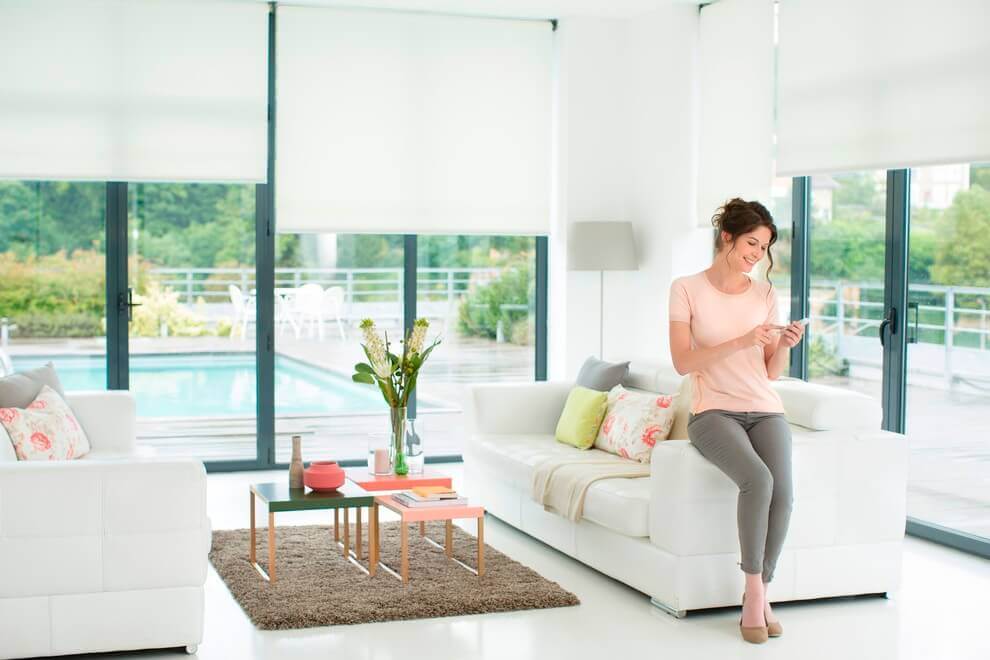
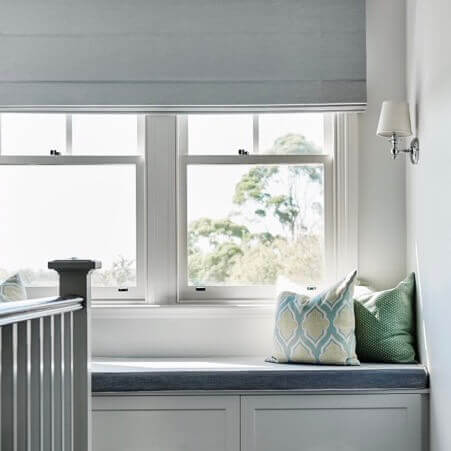
When handled well, window treatments don’t just filter sunlight, they frame it.
Understanding Light Interaction
Fabrics behave differently depending on their fibre composition, weave density, and finish. The way light passes through a material determines not only illumination but also mood and functionality.
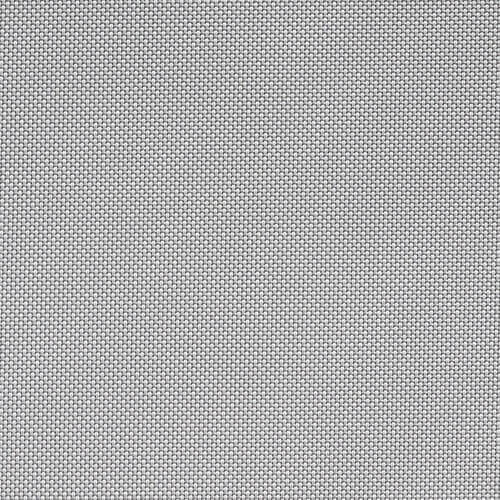
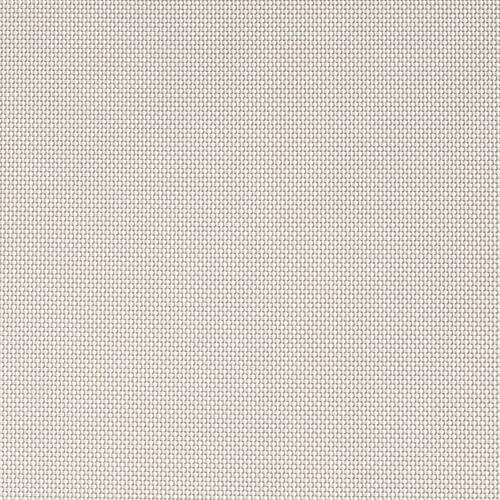
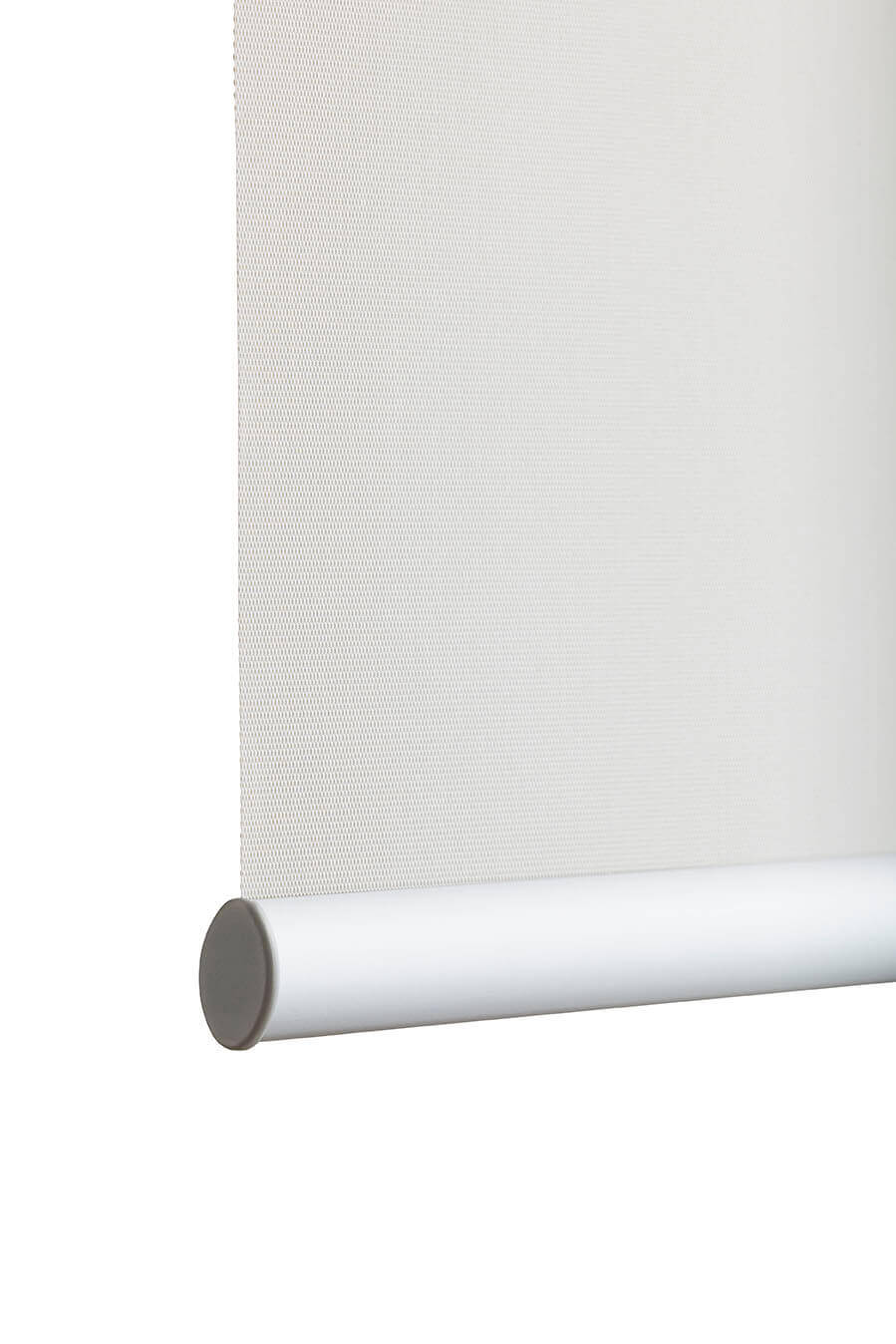
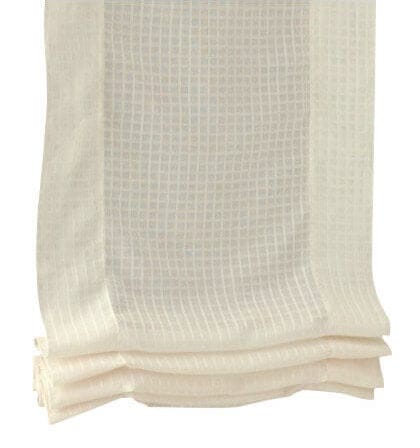
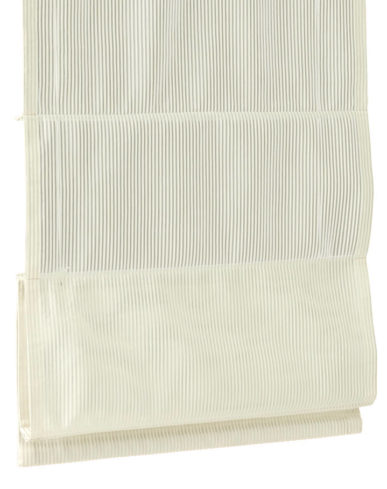
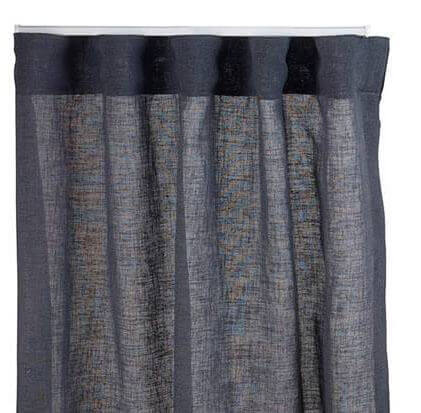
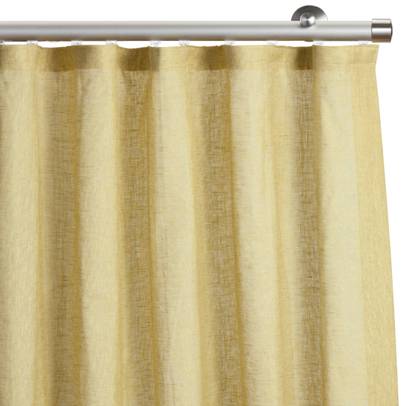
- Transparency and Opacity: Sheer and semi-sheer fabrics allow daylight to diffuse softly, creating a luminous ambience while maintaining privacy. Denser fabrics absorb or block light, ideal for spaces requiring greater thermal or glare control.
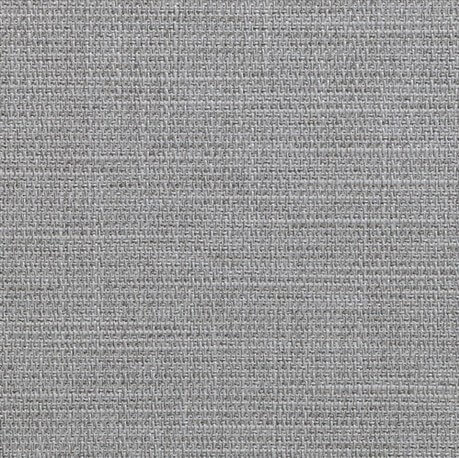
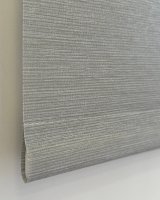
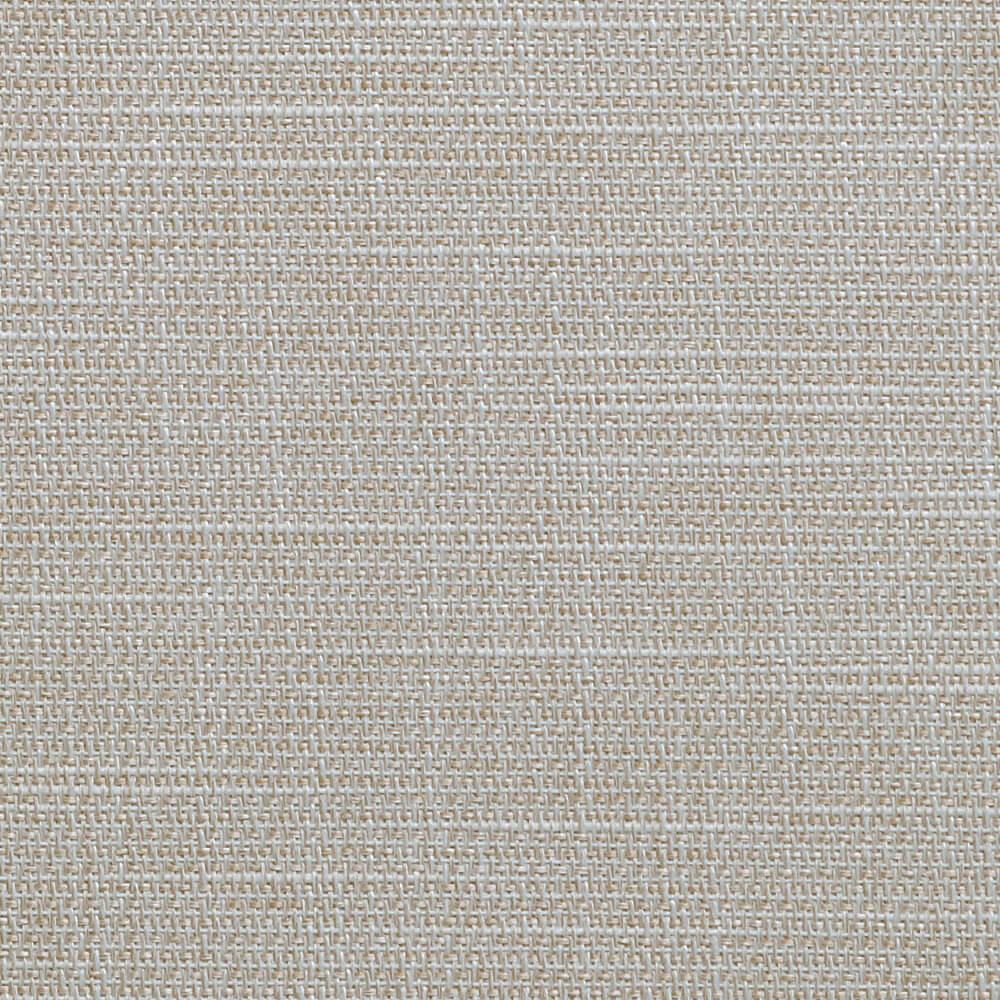
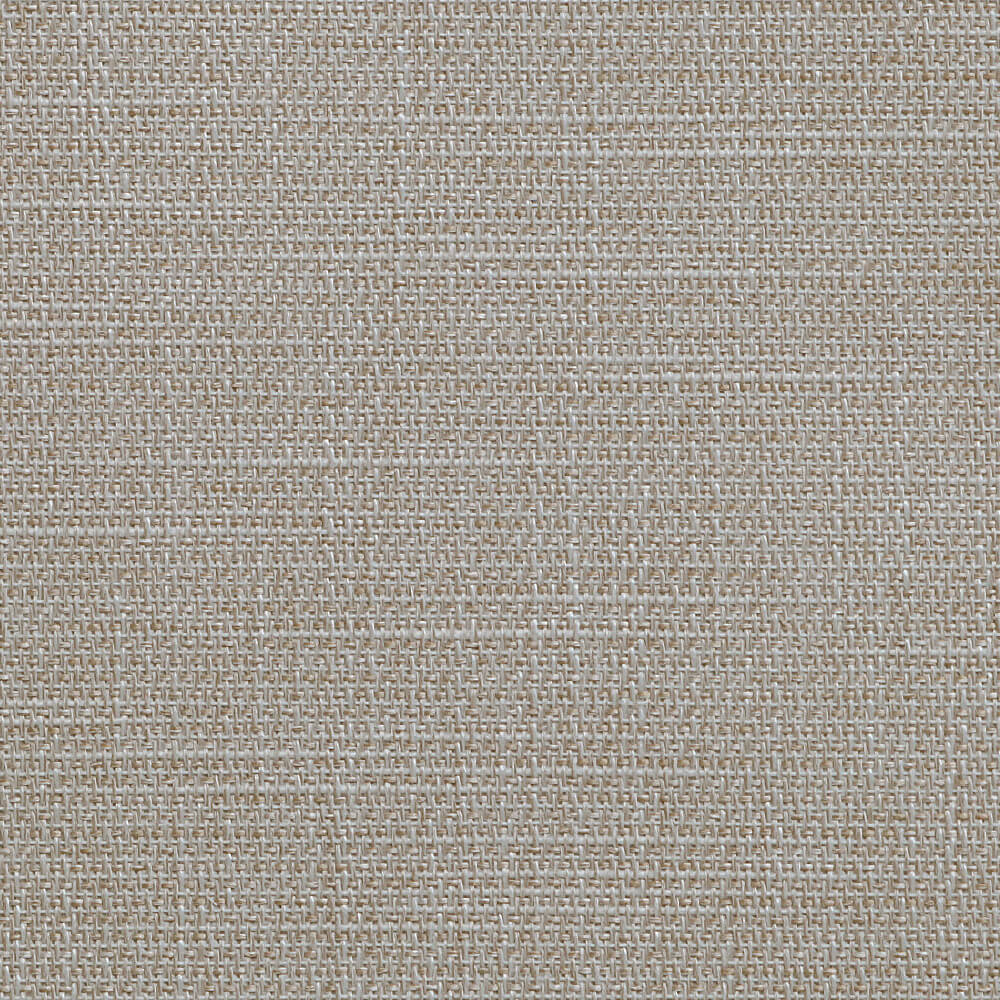
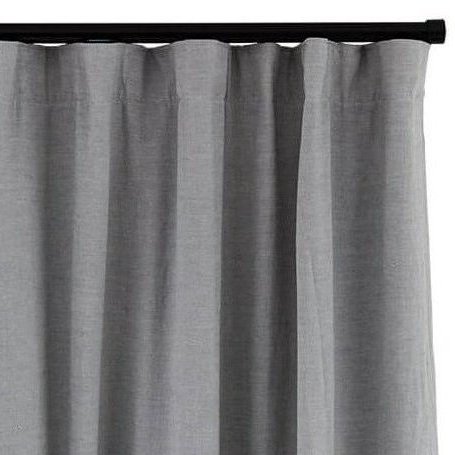
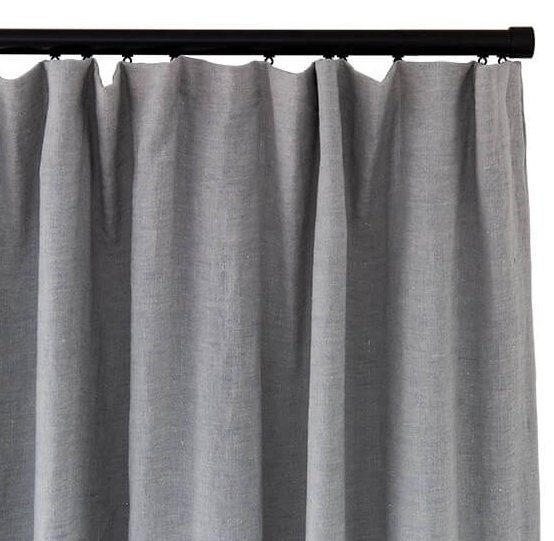
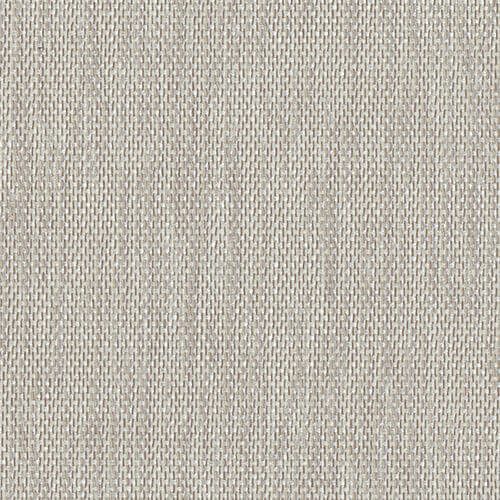
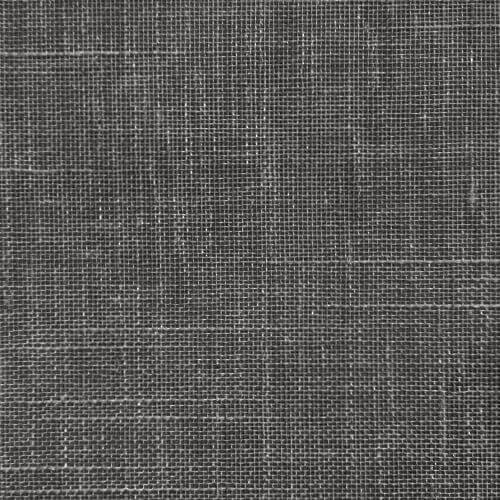
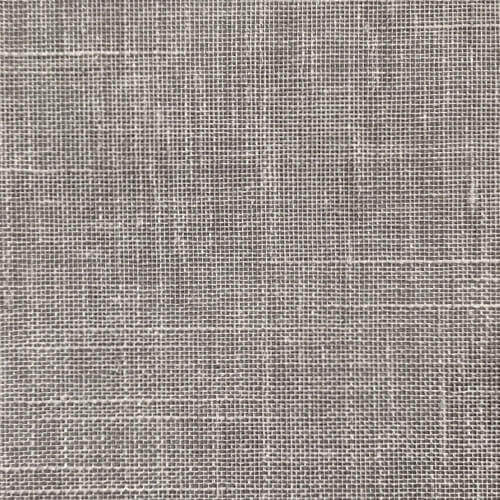
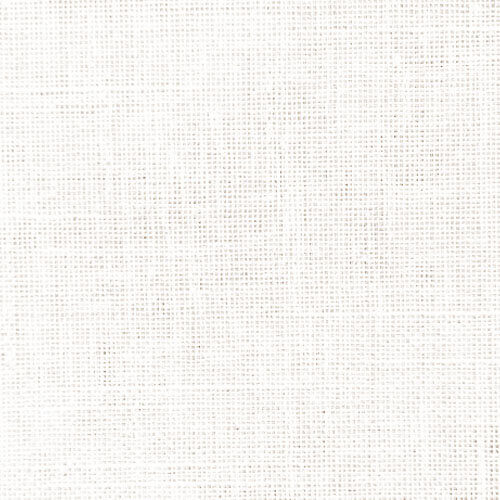
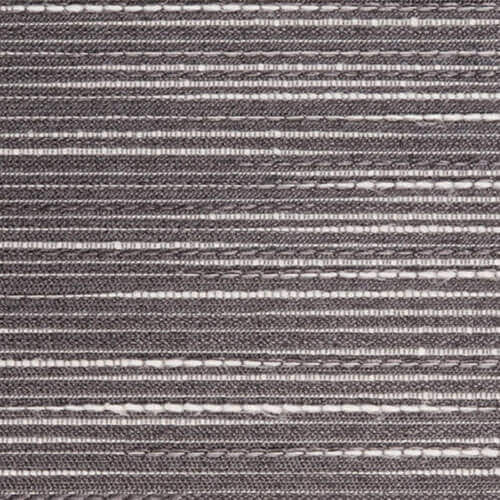
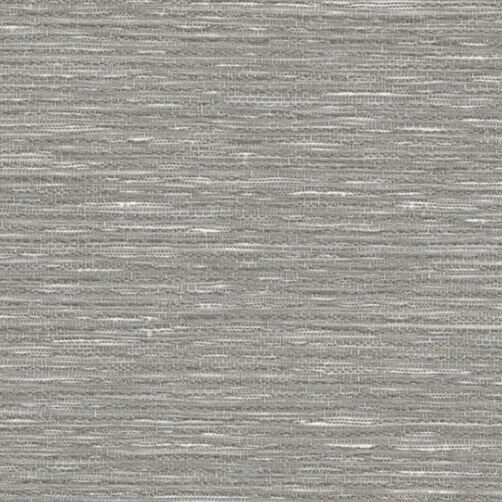
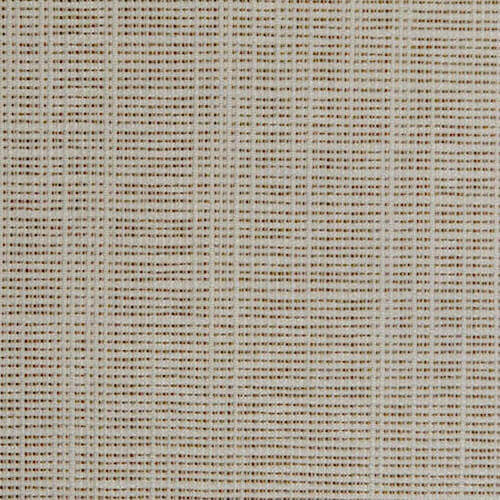
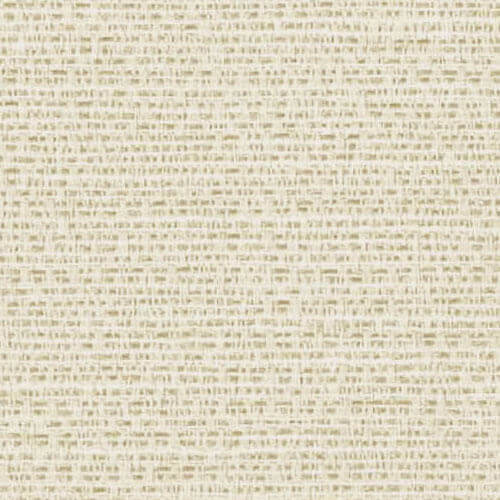
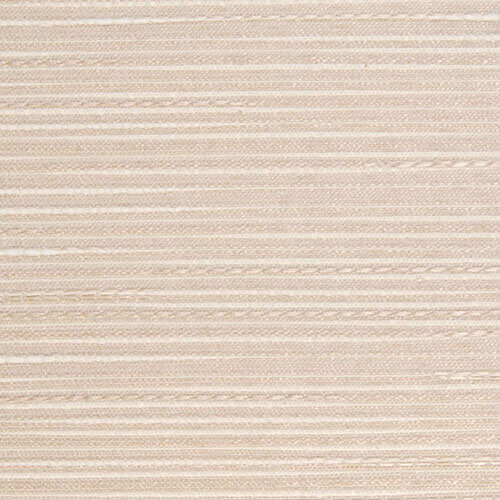
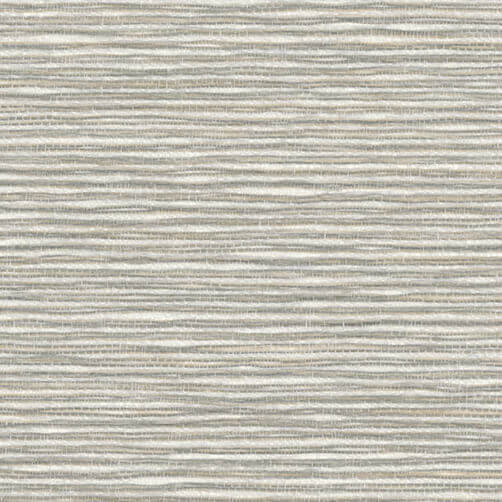
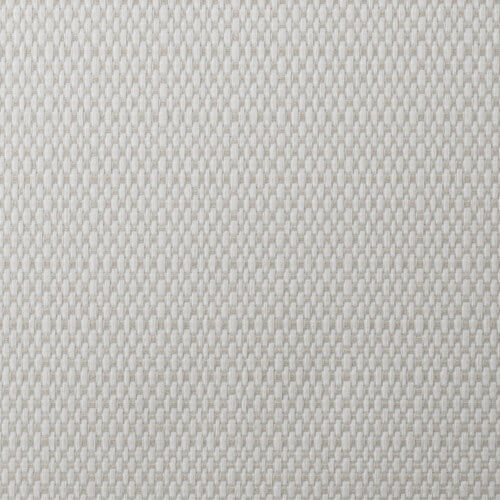
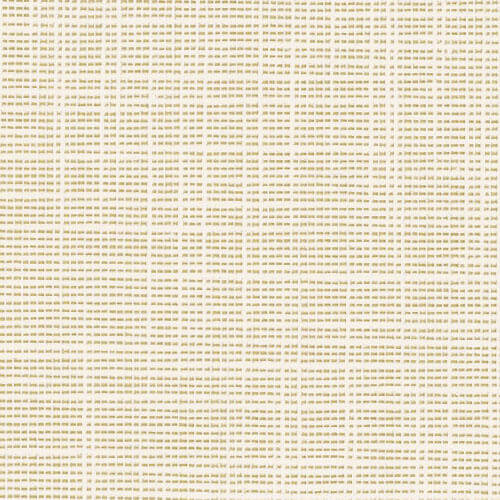
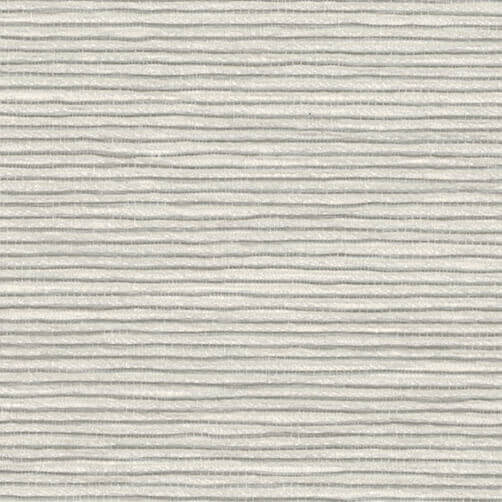
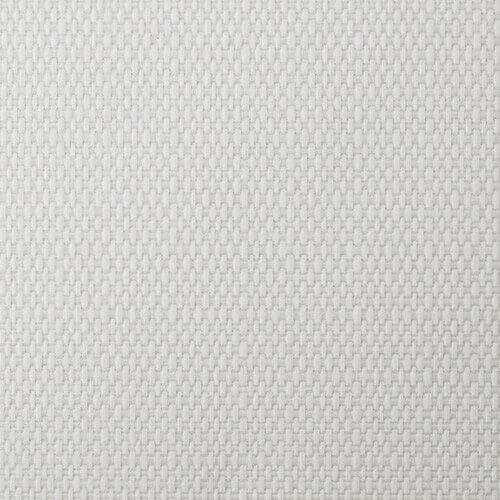
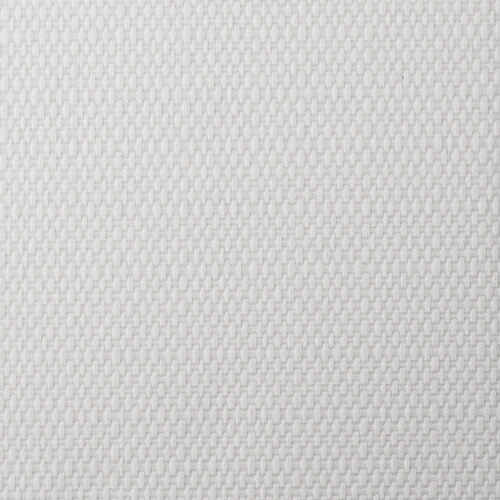
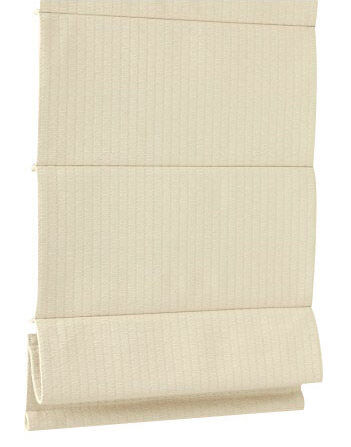
- Texture and Weave: Loosely woven linens and fine voiles scatter light gently, whereas smooth silks or cottons reflect it more directly. This interplay of absorption and reflection can dramatically alter how a space feels throughout the day.
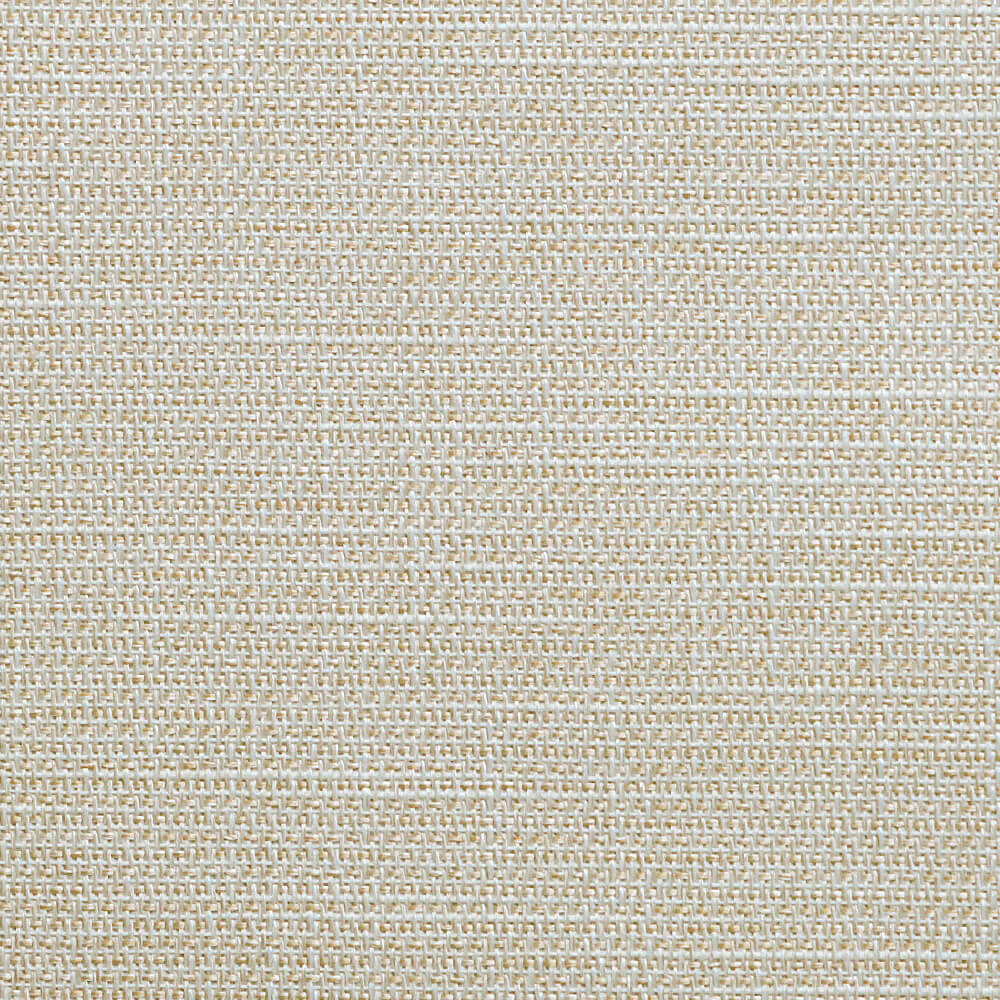
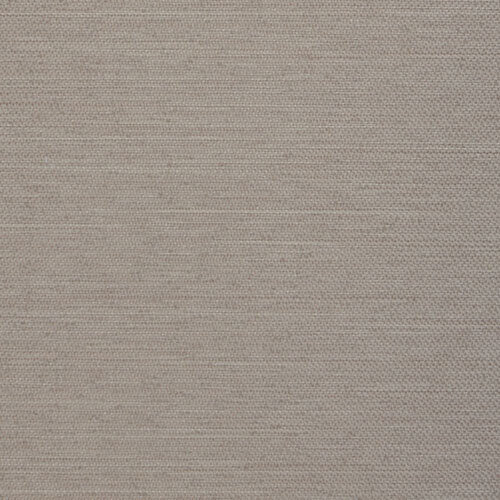
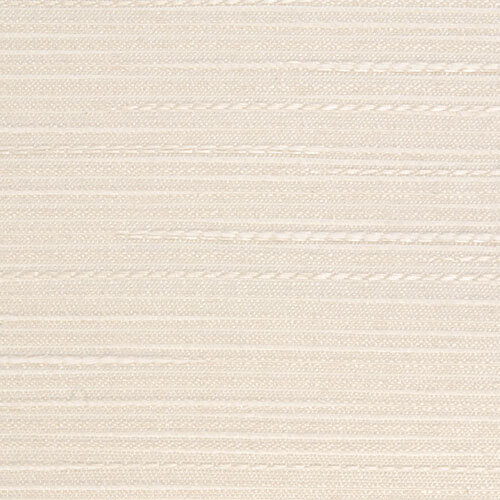
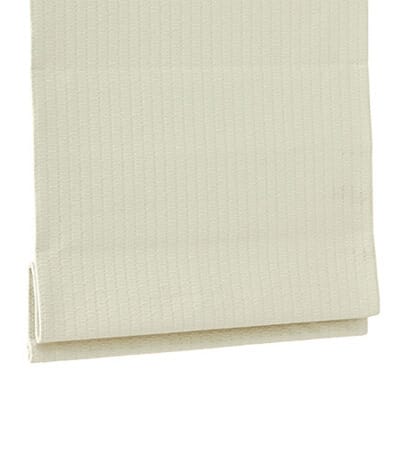
- Colour Influence: Pale neutrals amplify daylight, while darker tones absorb it, adding depth and intimacy. Choosing the right palette can balance natural illumination with desired ambience.
Understanding these relationships helps designers make informed choices that harmonise aesthetics and performance.
Fabric Selection by Function and Orientation
Light behaves differently depending on the building’s orientation and window placement. North-facing rooms may need warm-toned fabrics to offset cooler light, while west-facing spaces benefit from fabrics that diffuse intense afternoon sun.
Considerations for different spaces include:
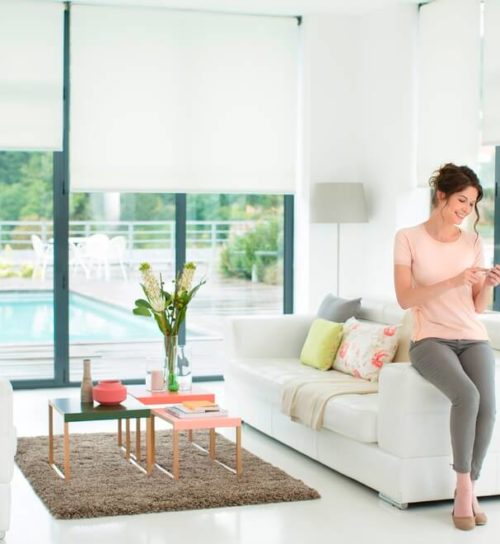
- Living areas: Light-filtering sheers paired with lined drapery offer flexibility across day and night.
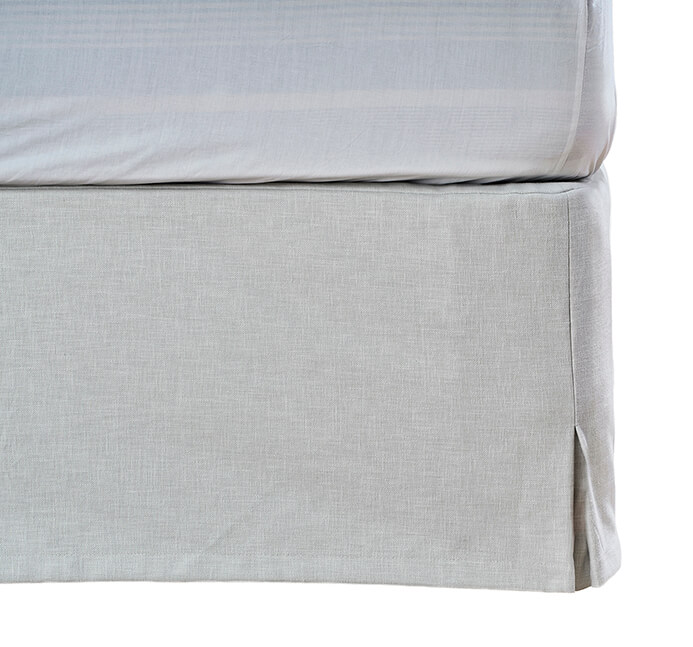
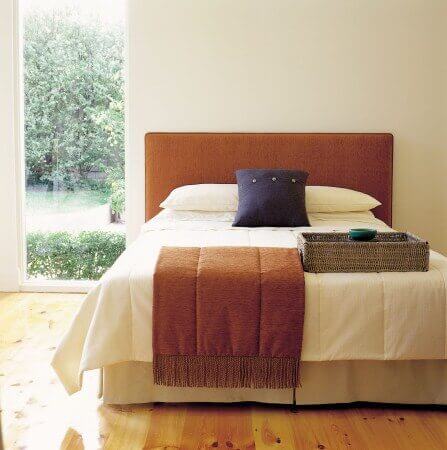
- Bedrooms: Block-out linings preserve darkness for restful sleep while maintaining a refined aesthetic.
- Commercial or multi-residential projects: UV-resistant and flame-retardant materials ensure compliance without compromising design integrity.
By combining fabric choice with appropriate lining and hardware, designers can manage both light and heat with elegance.
Balancing Natural Light and Energy Efficiency
Fabric selection also contributes to thermal regulation and energy performance. Fabrics with insulating properties or reflective coatings can help maintain comfortable indoor temperatures, reducing reliance on mechanical systems.
- Thermal linings retain warmth during cooler months.
- Reflective backings minimise solar gain in summer.
- Dual-layer configurations enable seasonal adaptability without altering visual balance.
The combination of light control and energy efficiency elevates window treatments from decorative detail to functional design element.
Precision in Manufacture
Transforming light-responsive fabrics into finished treatments demands accuracy and craftsmanship. Manufacturing considerations include:
- Maintaining fabric tension to ensure consistent drape and prevent distortion.
- Controlling hem weights for sheers to manage how they move and hang.
- Precision pattern alignment where fabric texture or weave direction influences light flow.
Every stage of production — from cutting and sewing to final pressing — contributes to how light interacts with the finished piece.
Designing with Light as a Material
In modern interiors, light is more than illumination — it’s a design medium. Selecting fabrics that enhance natural light allows designers to sculpt how a space feels at different times of day. The result is interiors that evolve with sunlight: bright and open in the morning, soft and serene by evening.
When design, material, and manufacture align, the outcome is not only beautiful but deeply experiential — a seamless dialogue between architecture, atmosphere, and craft.