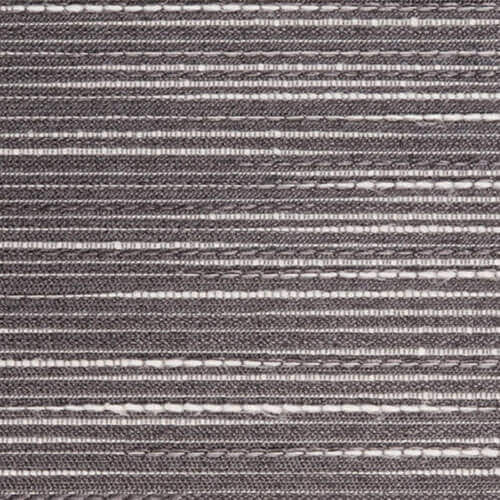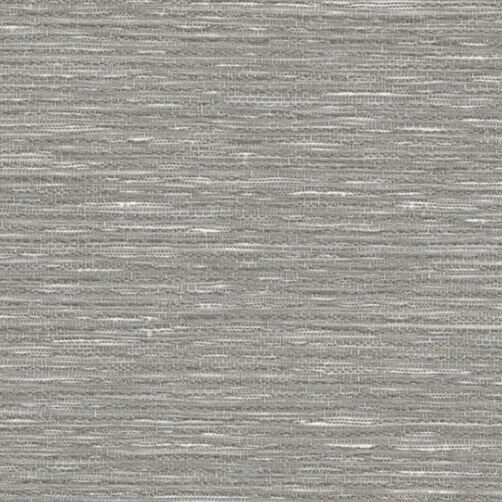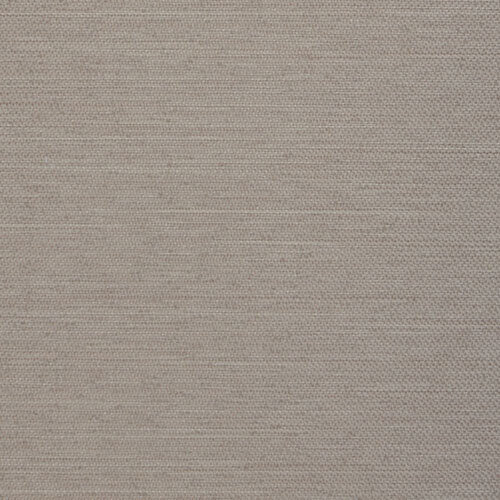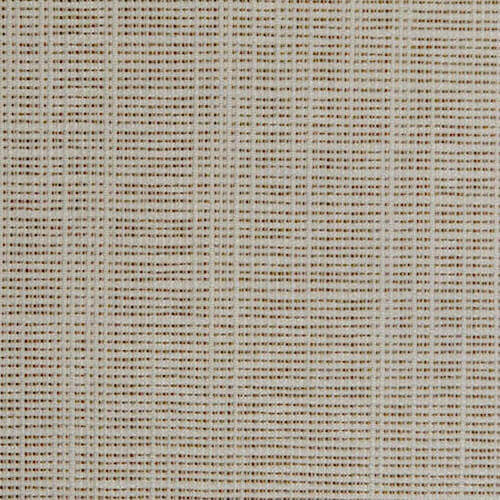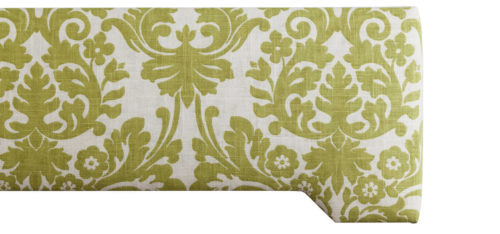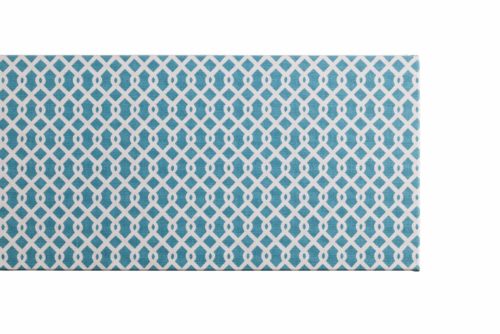

In the realm of interior design, the choice of fabric plays a pivotal role not only in aesthetics but also in the functionality of a space. Particularly in Australia’s diverse climate, selecting the right fabrics for soft furnishings can significantly impact a building’s thermal efficiency. For interior designers, window furnishing specialists, and architects, understanding the thermal properties of fabrics is essential in creating comfortable and energy-efficient environments.
The Importance of Thermal Insulation in Soft Furnishings
Windows are one of the primary sources of heat loss and gain in buildings. According to the Australian Window Association, up to 40% of a home’s heating energy can be lost through windows. By incorporating thermally insulating fabrics into window treatments, designers can mitigate this energy loss, enhancing indoor comfort and reducing reliance on heating and cooling systems
Key Fabric Characteristics for Thermal Insulation
When selecting fabrics to enhance thermal insulation, consider the following characteristics:
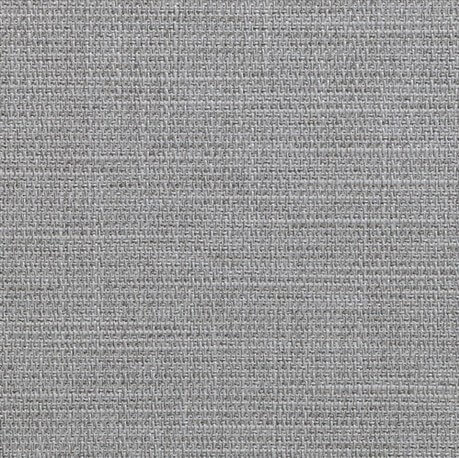
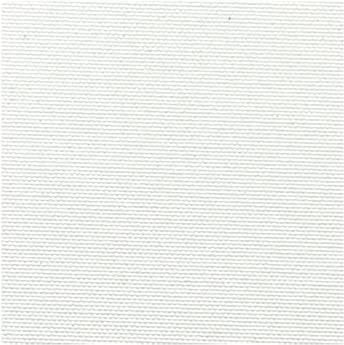
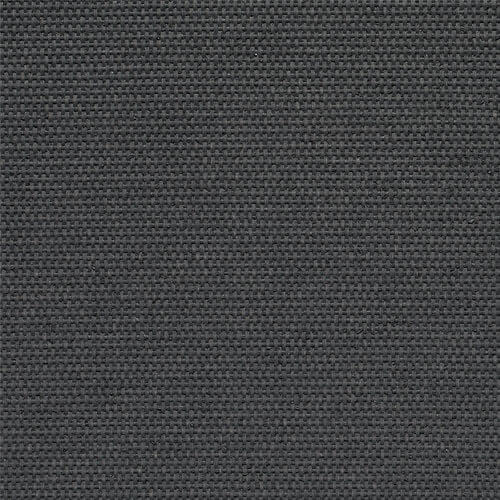
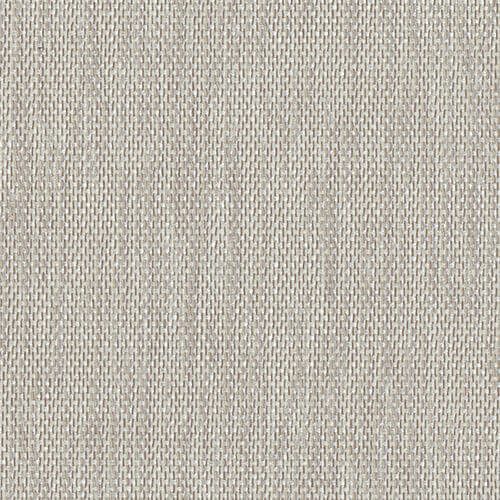
- Density and Thickness: Heavier fabrics like velvet, wool, and densely woven cotton provide better insulation due to their ability to trap air.
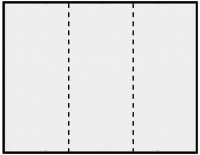
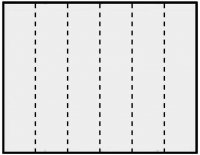
- Multi-layered Construction: Fabrics designed with multiple layers or those that can accommodate linings, such as interlining or thermal backing, offer superior thermal performance.
- Reflective Properties: Some fabrics are treated or constructed to reflect heat, aiding in maintaining desired indoor temperatures.
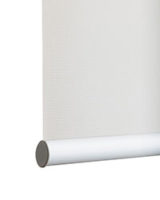
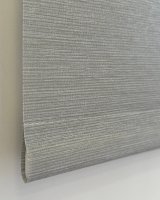
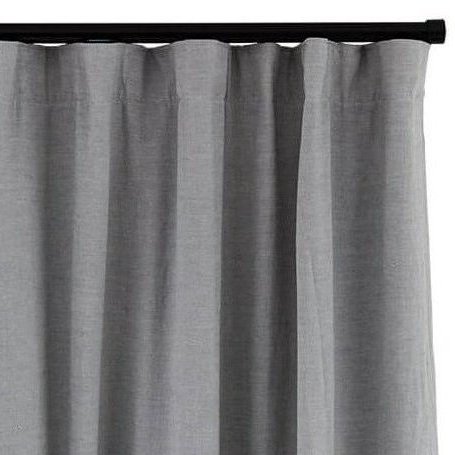
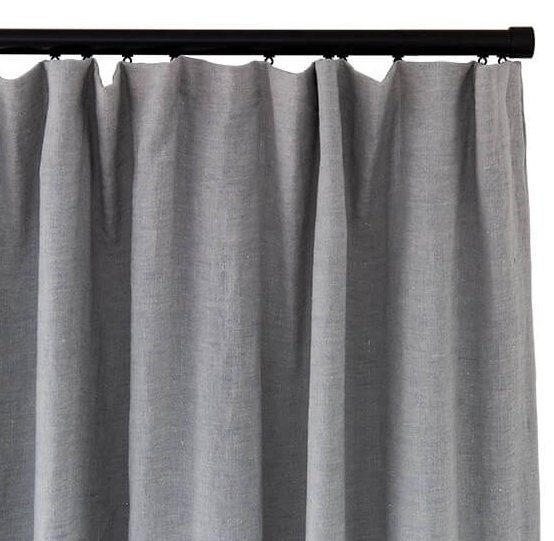
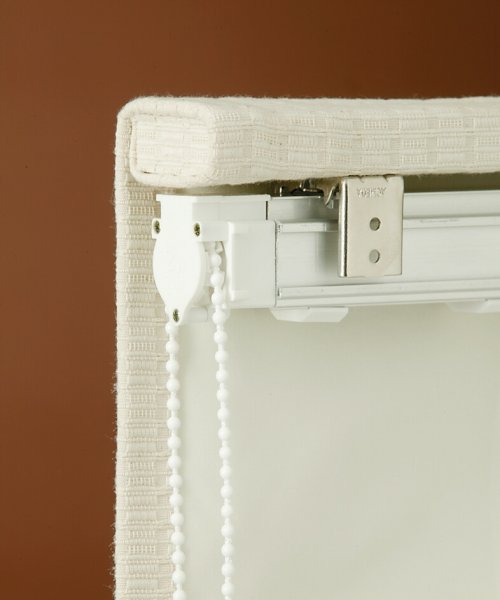
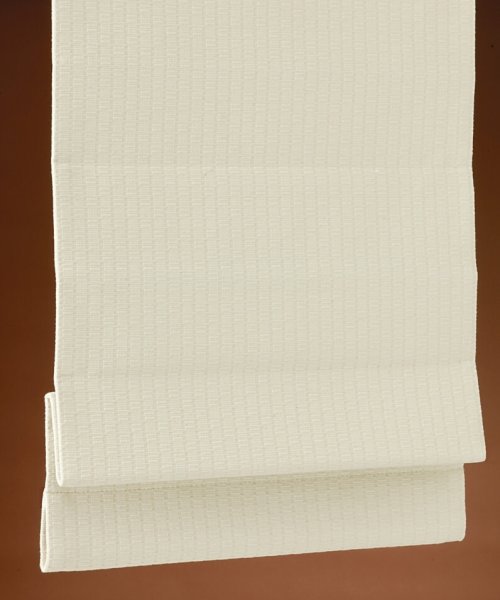
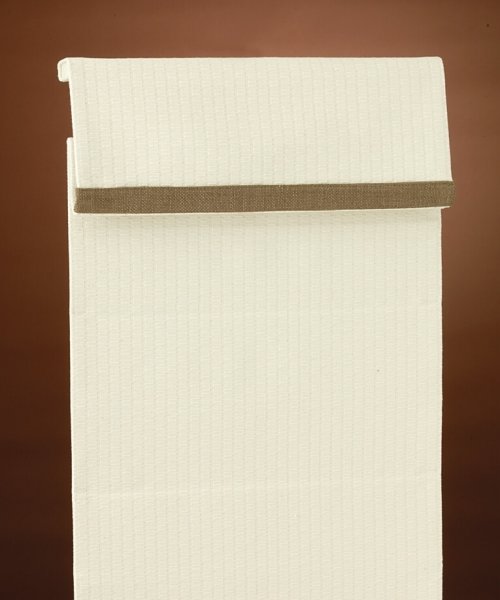
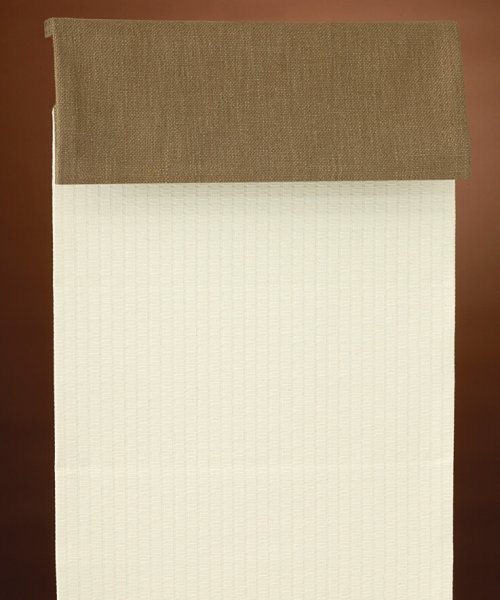
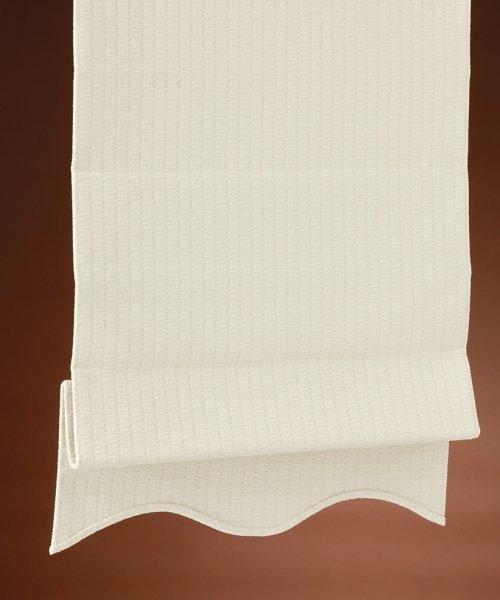
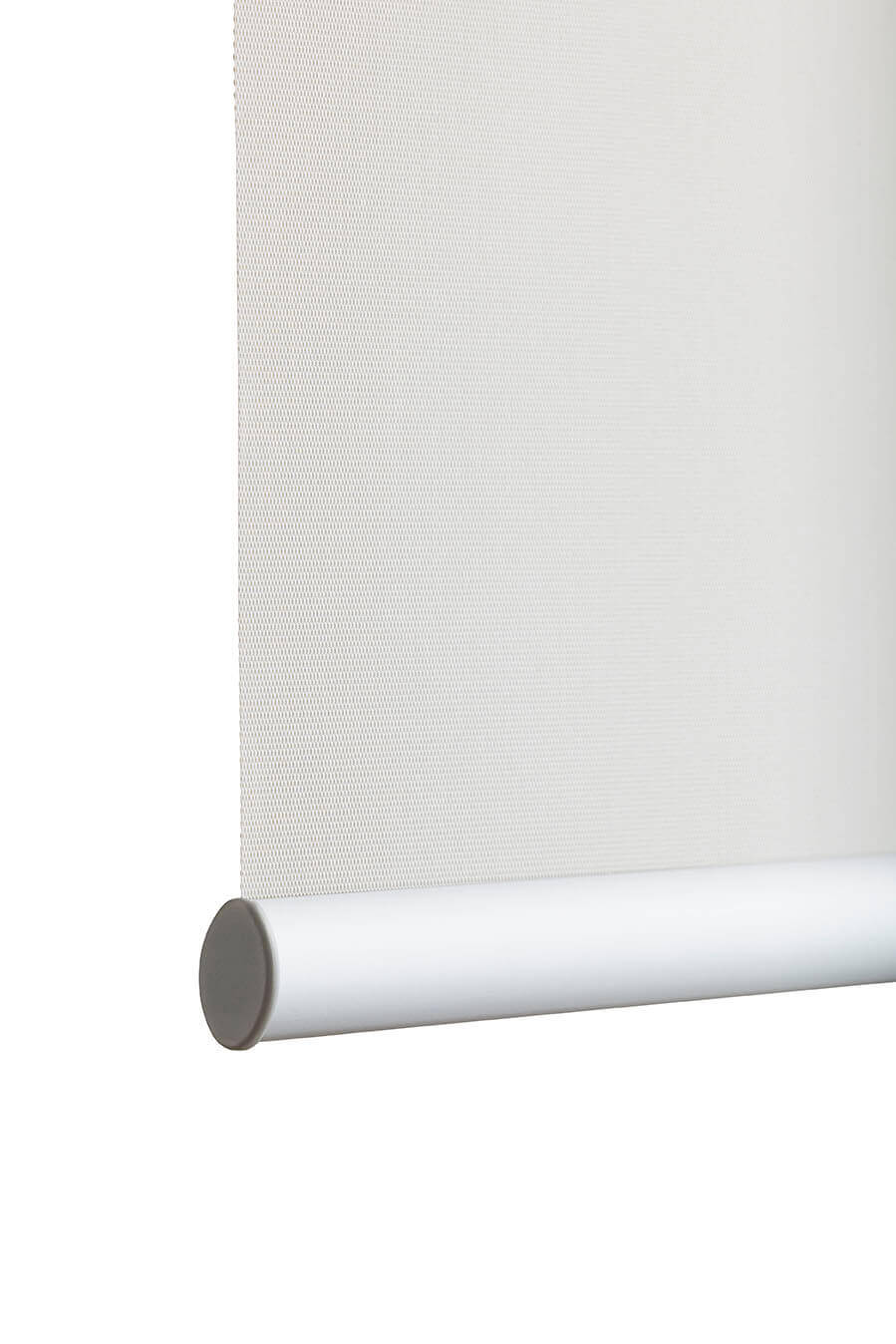
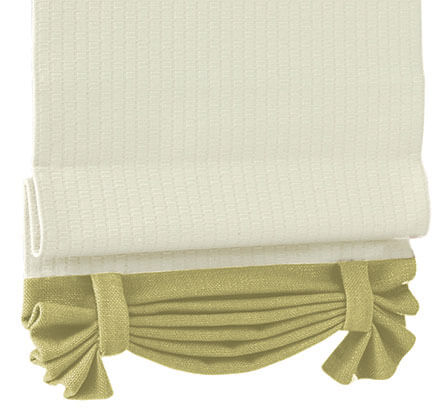
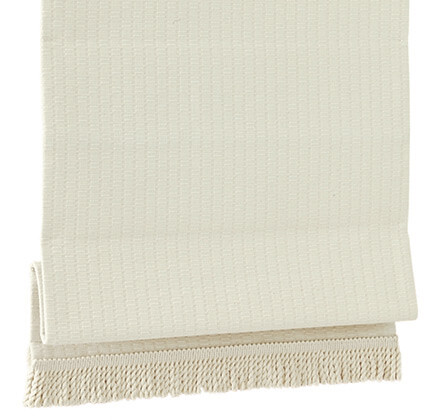
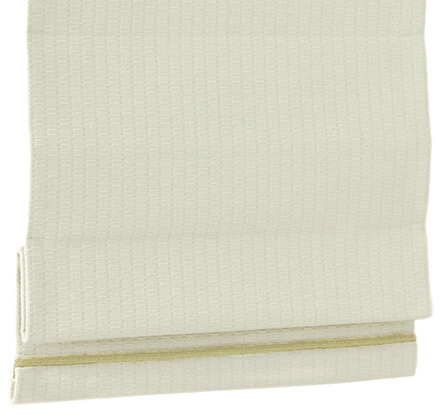
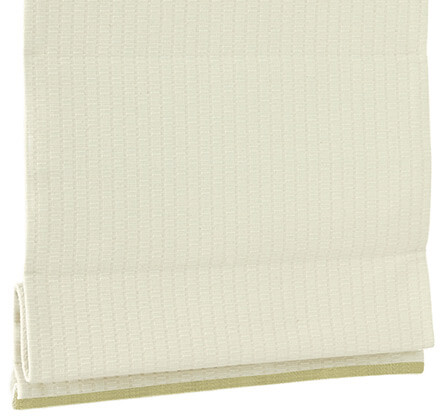
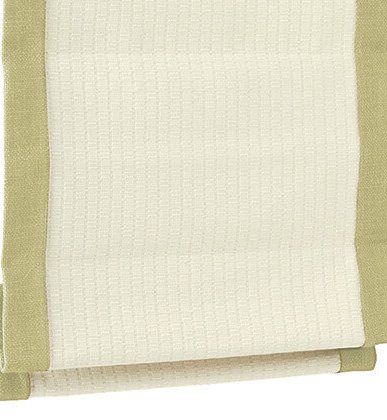
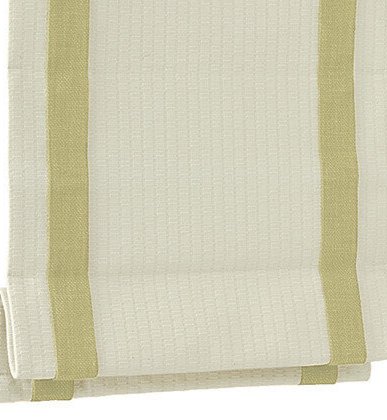
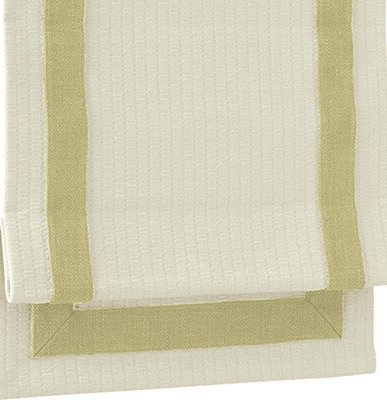
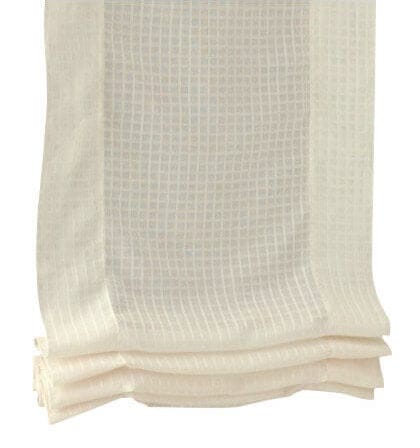
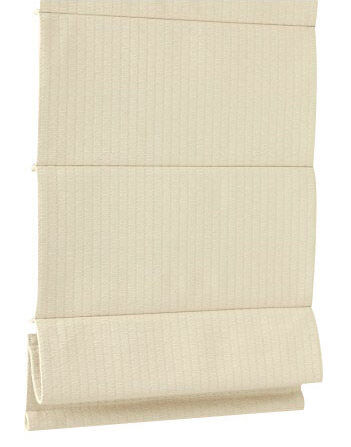
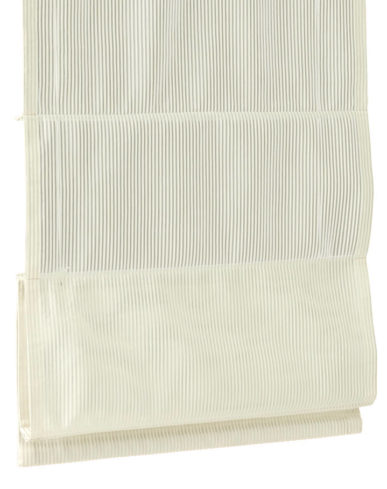
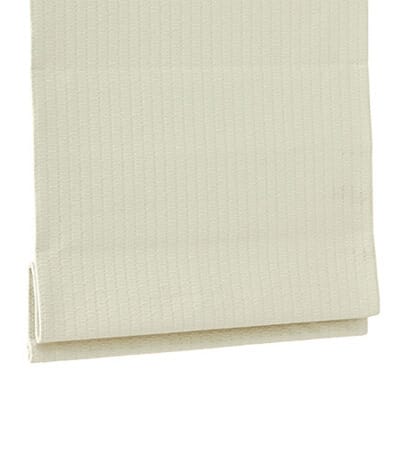
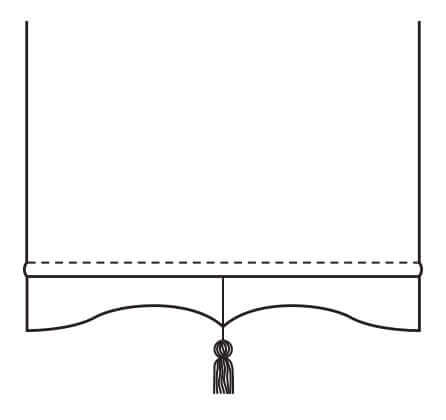
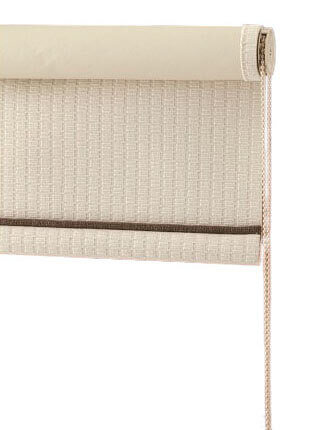
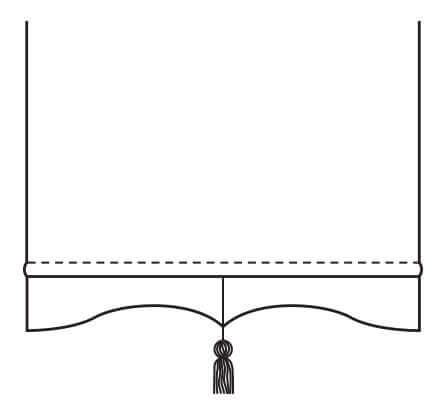
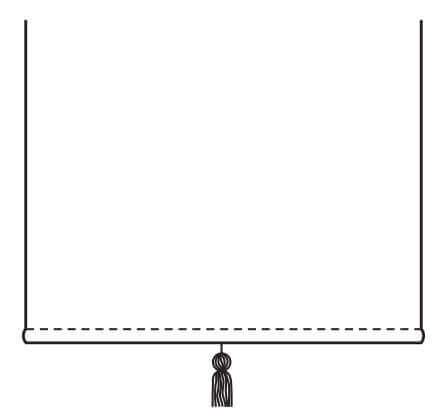
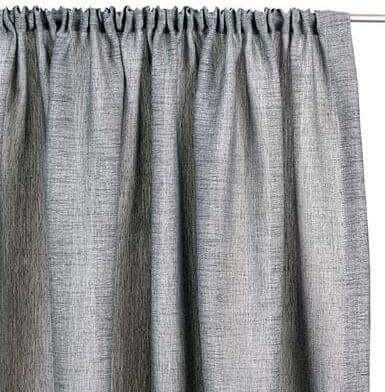
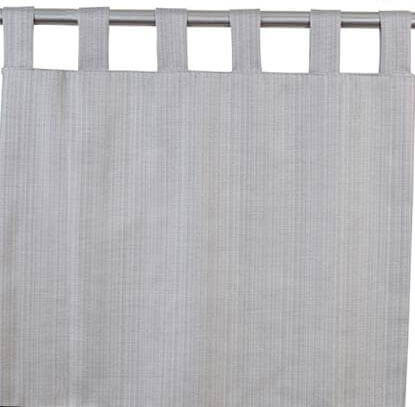
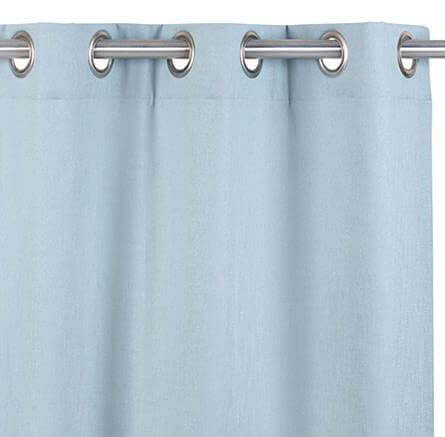
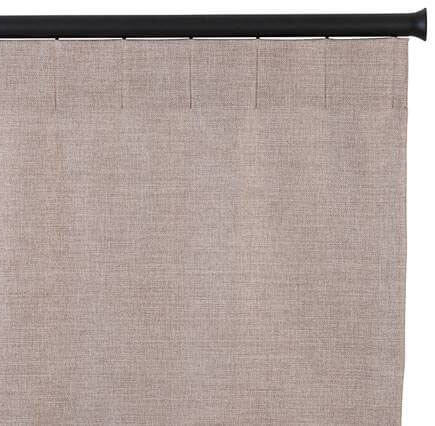
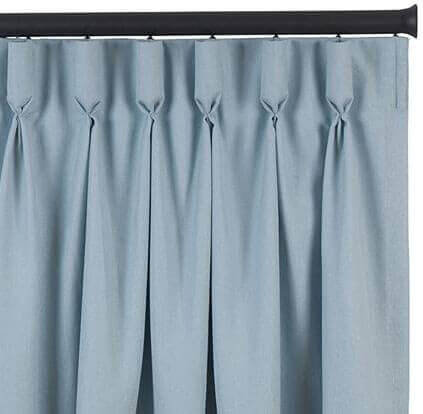
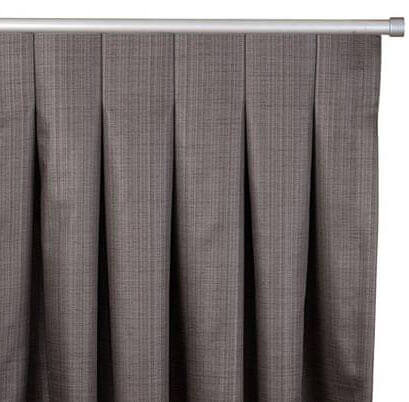
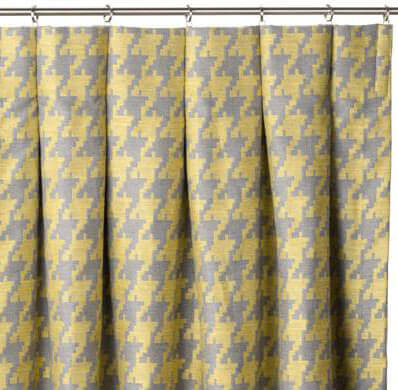
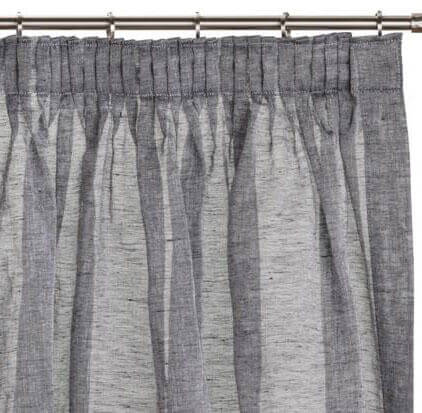
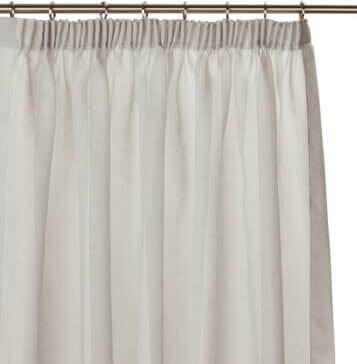
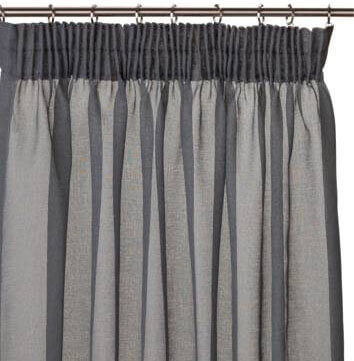
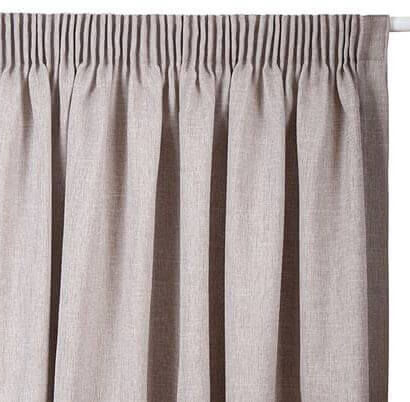
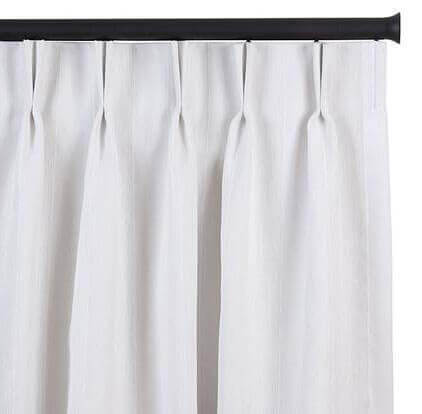
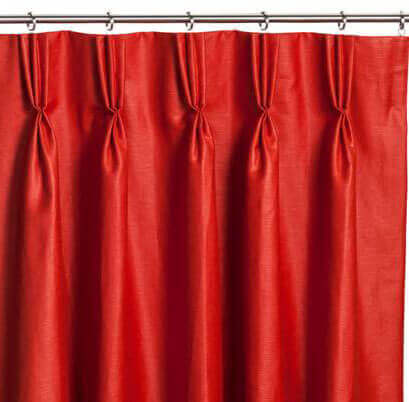
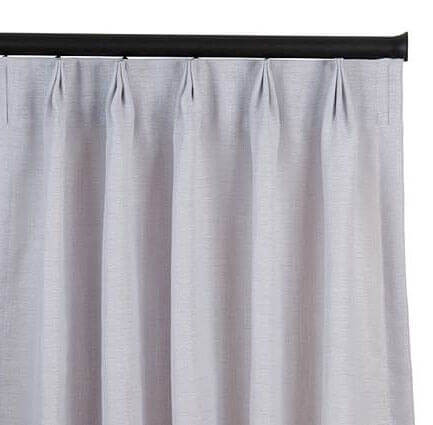
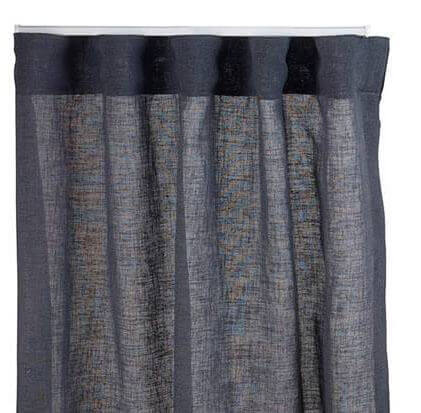
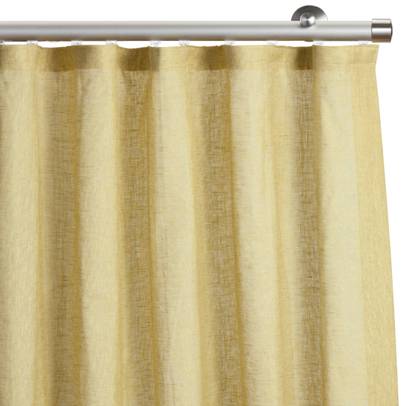
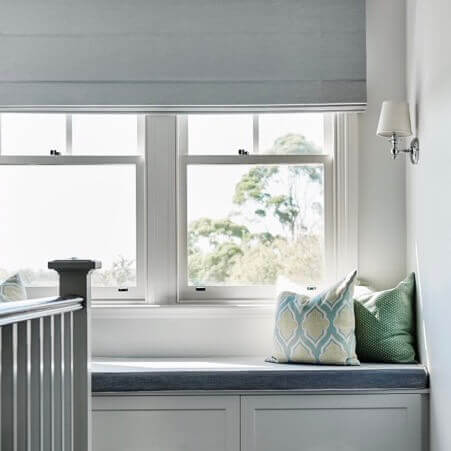
For instance, BQ Design offers a range of products that can be customized with various fabrics and linings to meet specific thermal requirements. Explore our curtain options and Roman blinds to find suitable solutions for your projects.
Enhancing Thermal Performance with Linings
Adding linings to soft furnishings is an effective way to boost their insulating properties. Thermal linings, in particular, are designed to reduce heat transfer, keeping interiors warmer in winter and cooler in summer. They also offer additional benefits such as light control and noise reduction.
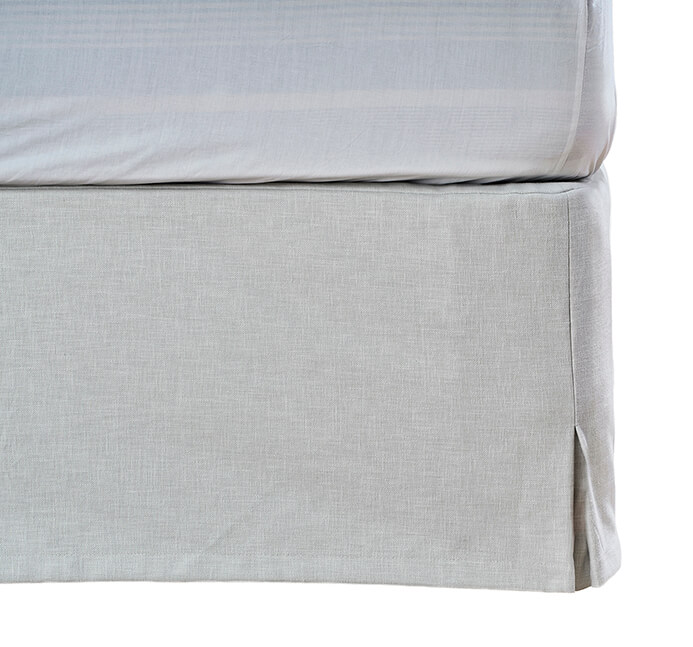
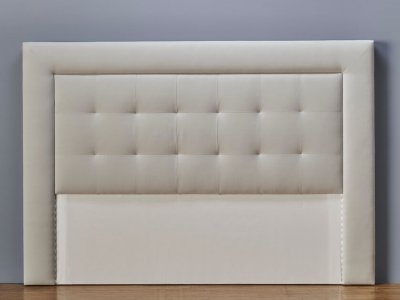
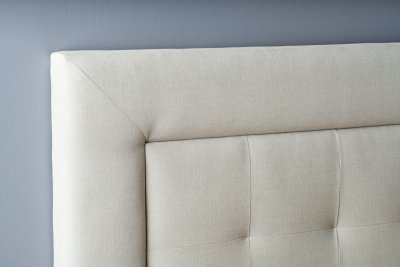
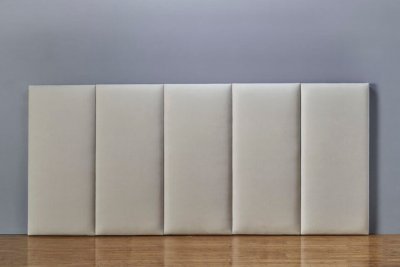
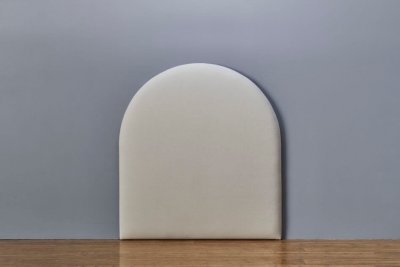
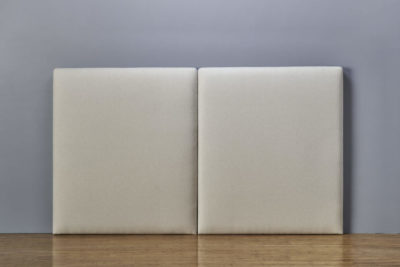
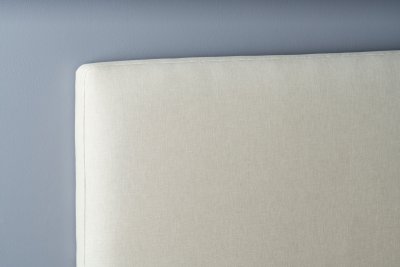
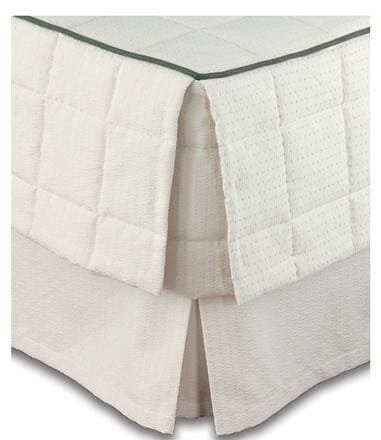
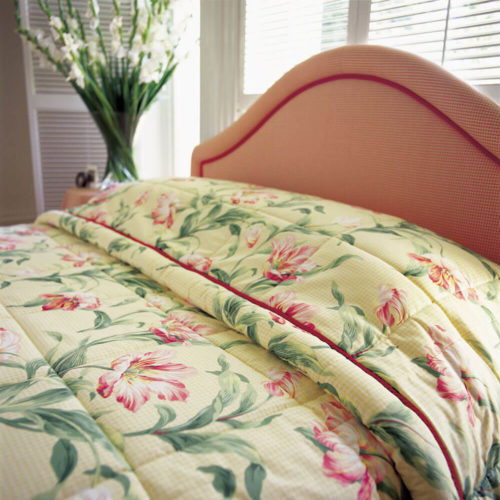
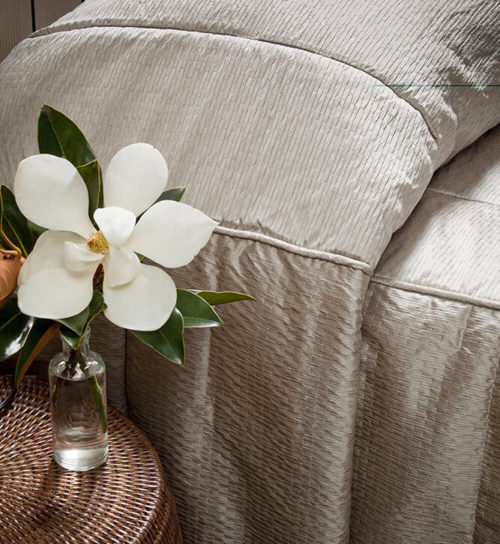
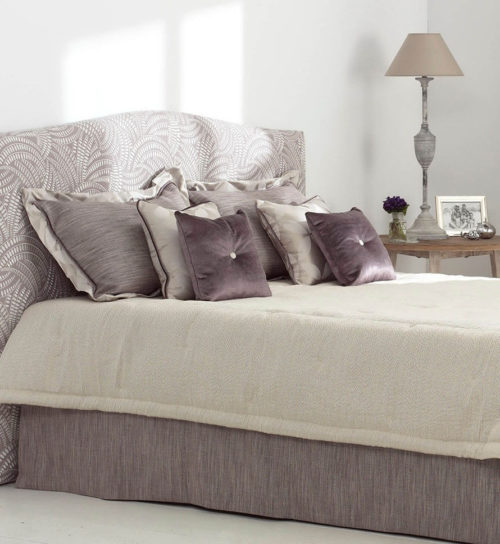
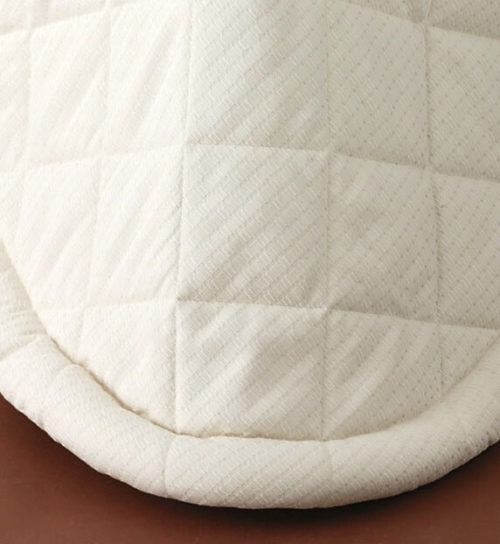
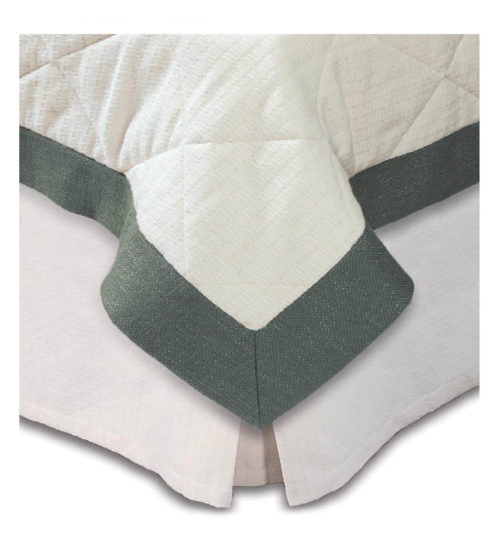
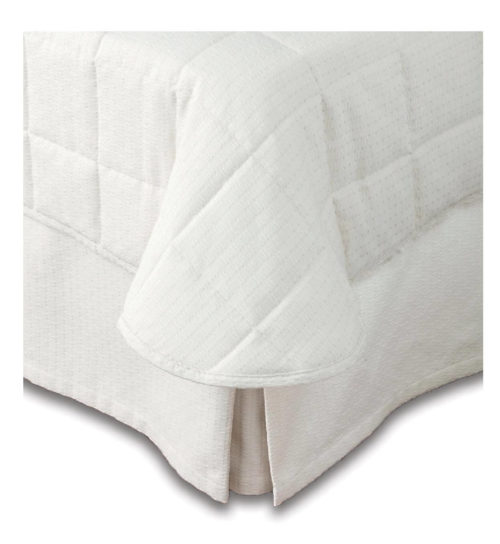
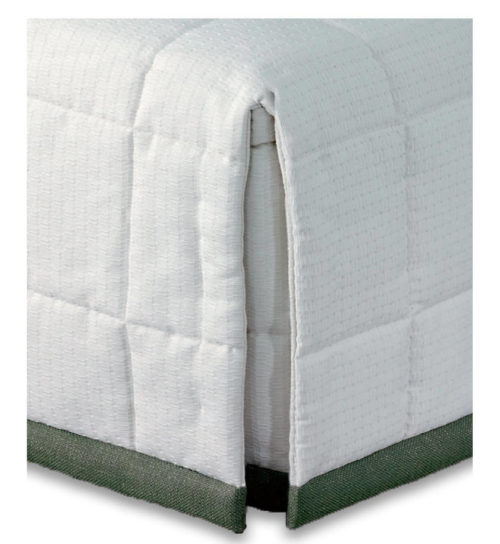
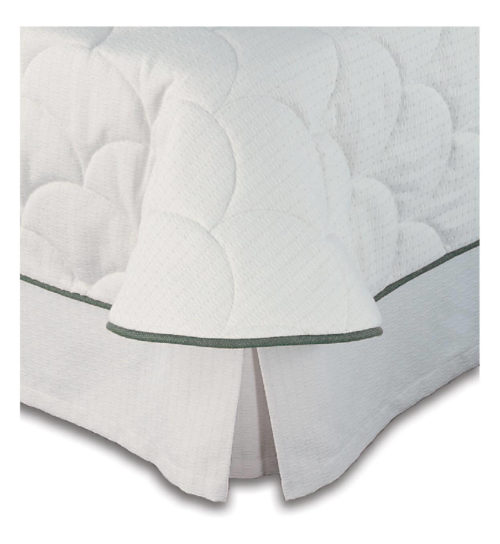
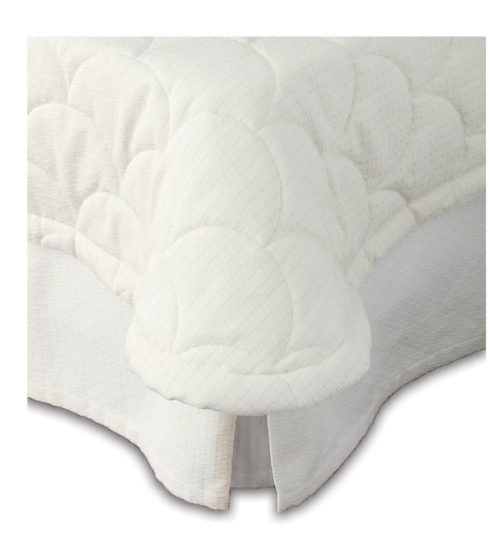
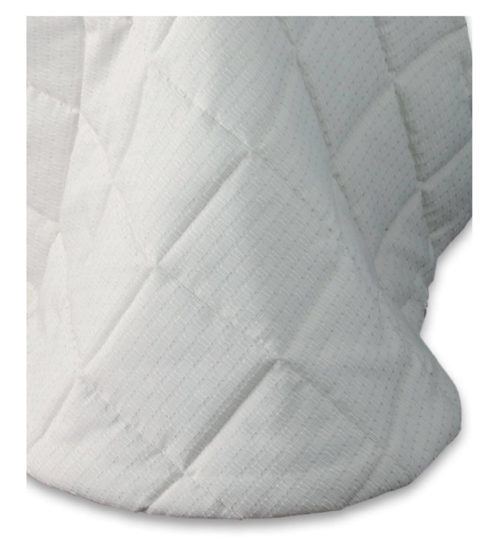
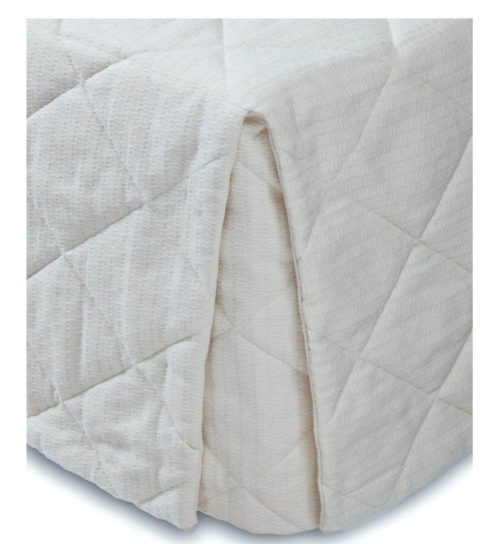
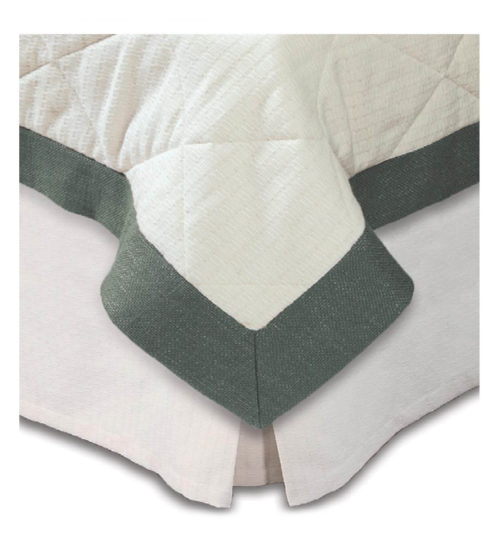
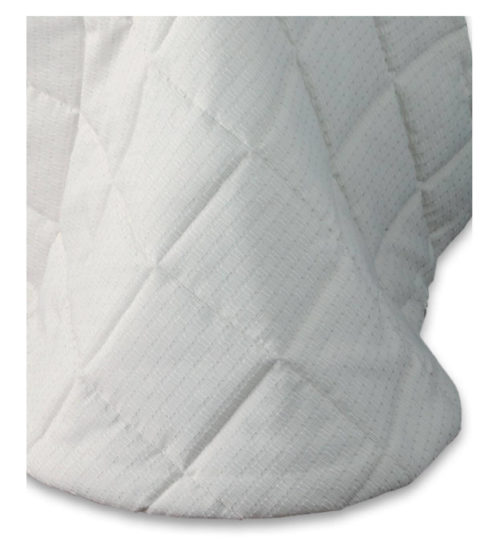
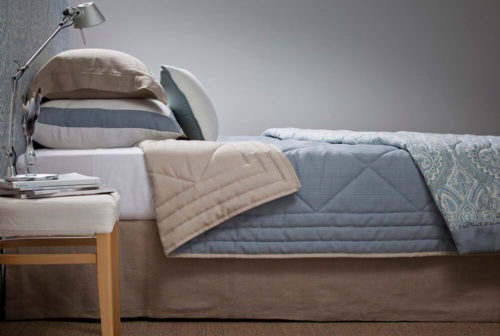
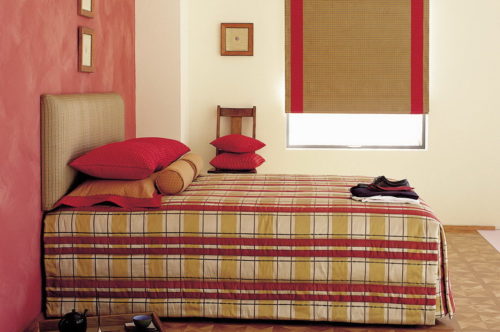
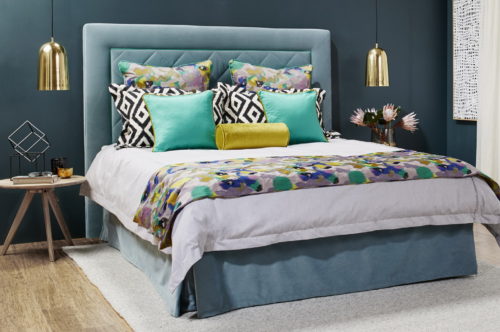
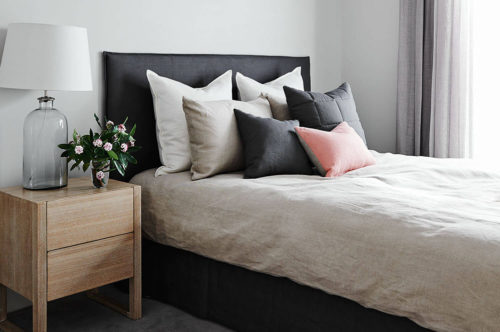
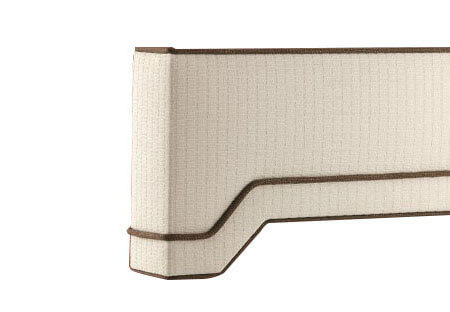
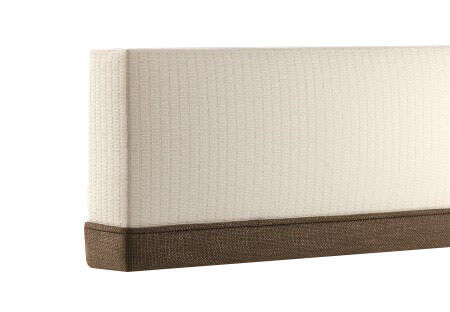
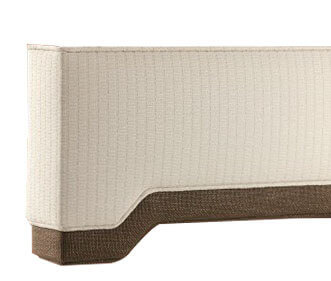
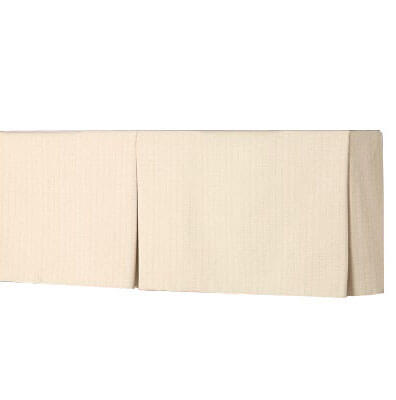
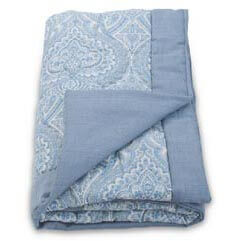
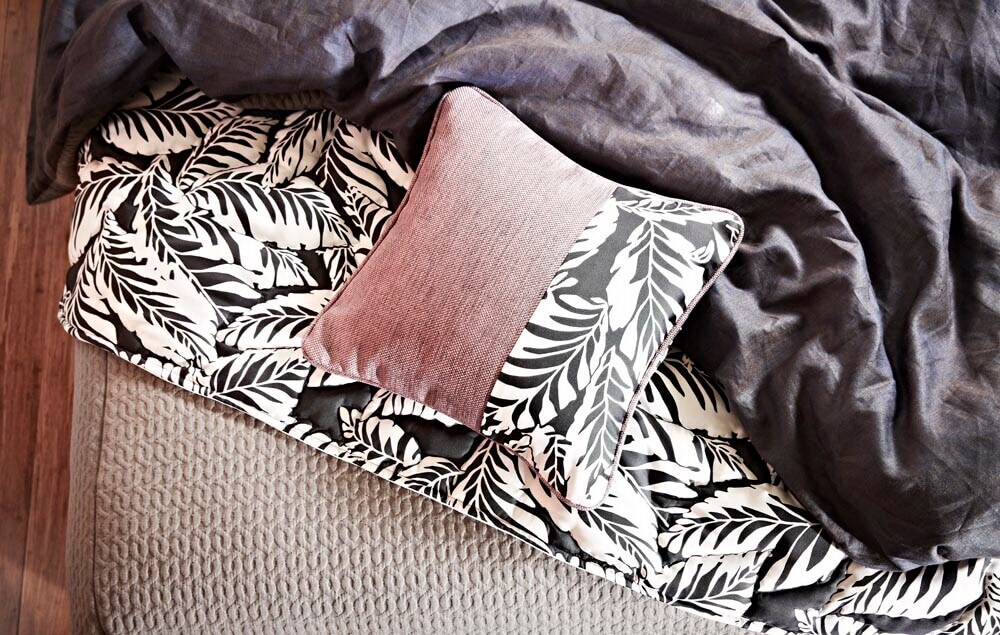
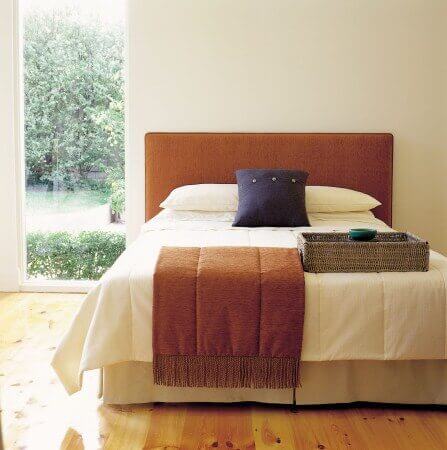
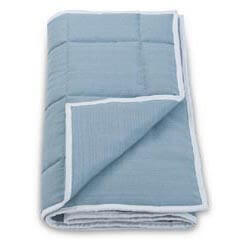
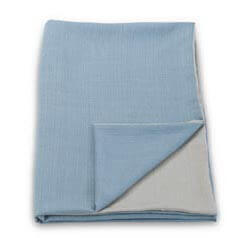
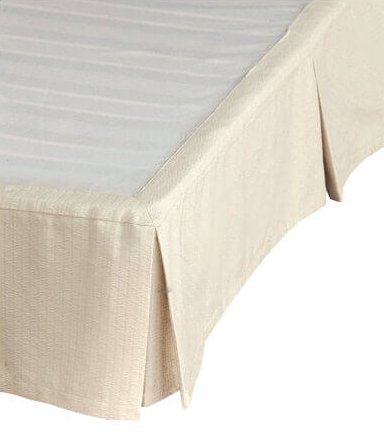
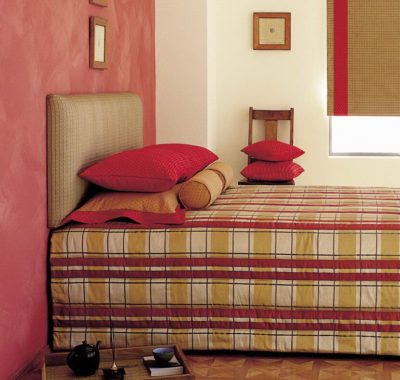
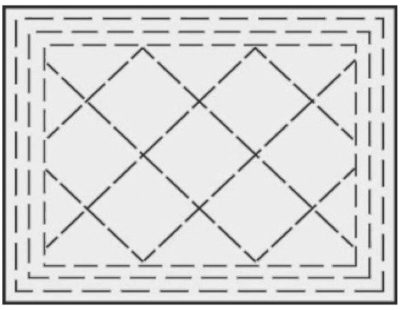
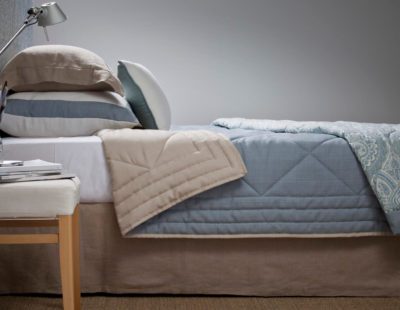
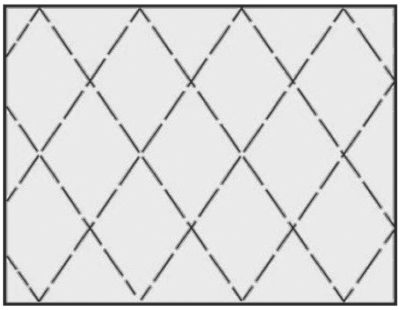
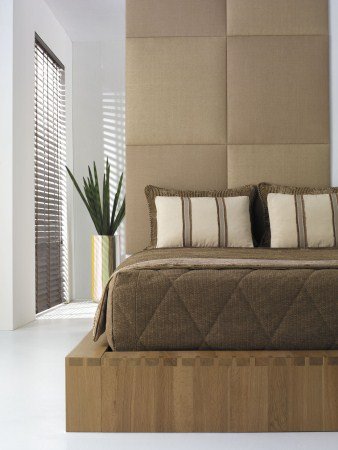
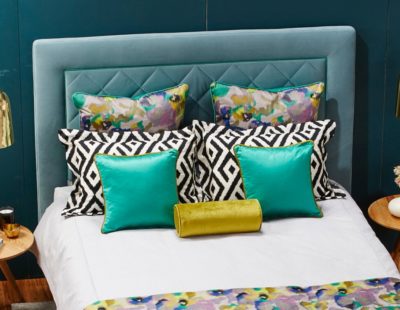
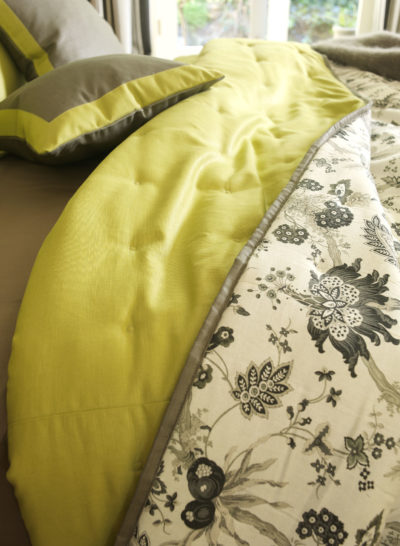
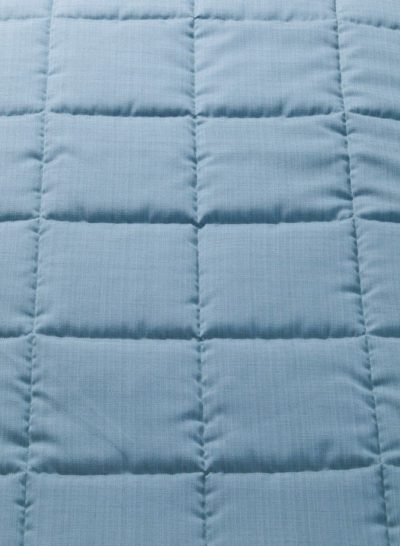
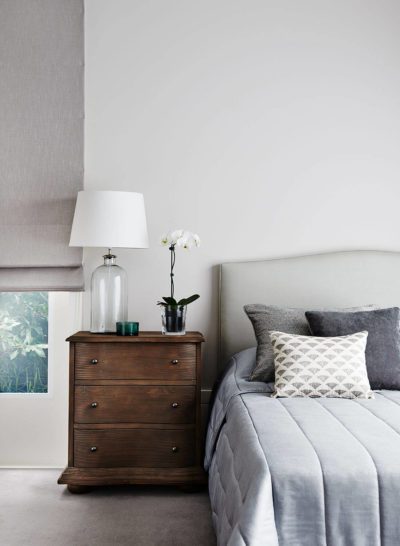
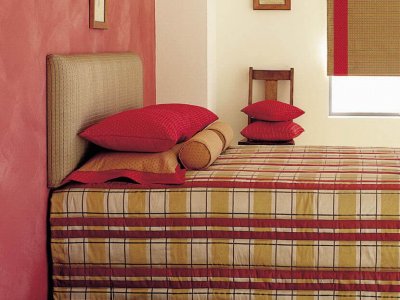
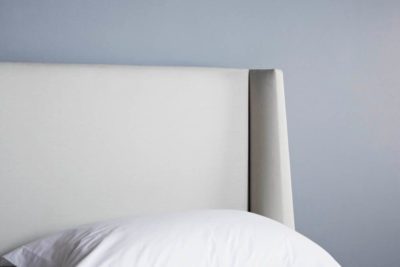
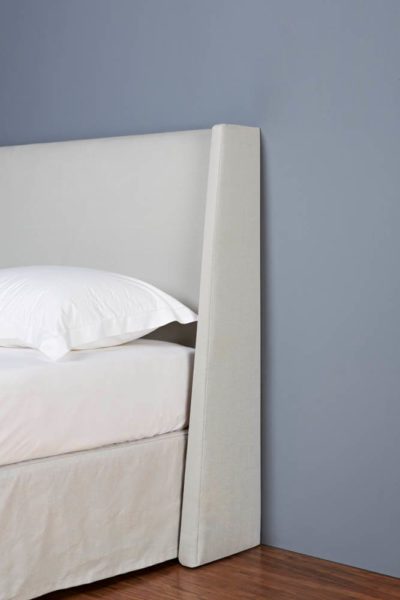
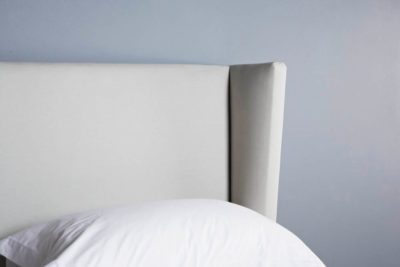
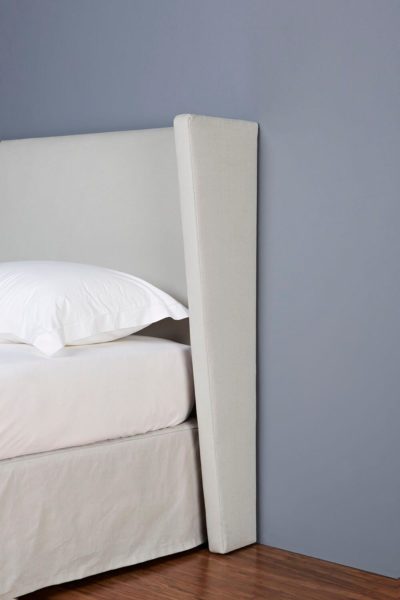
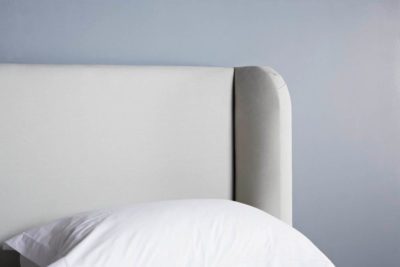
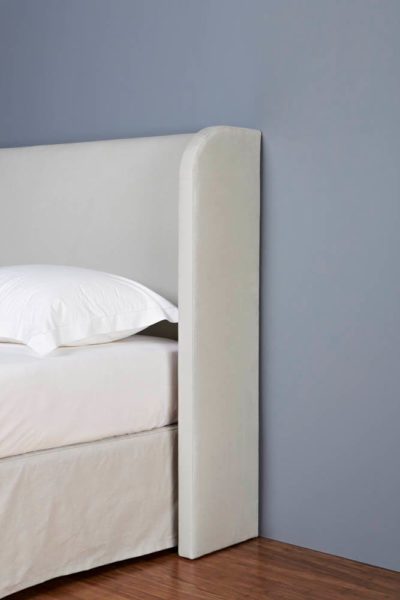
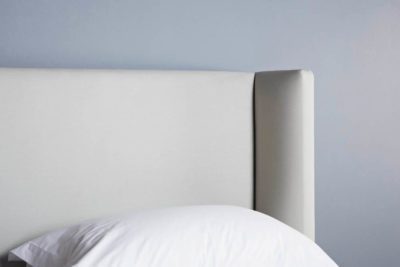
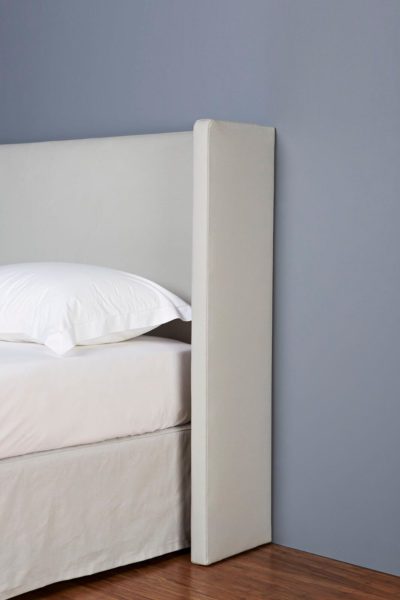
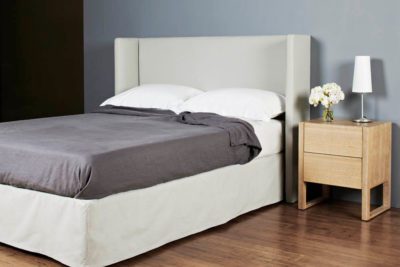
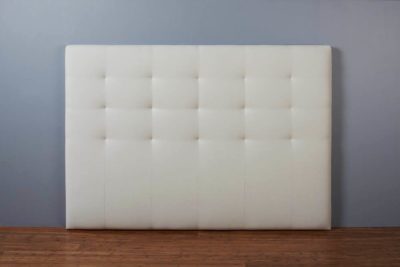
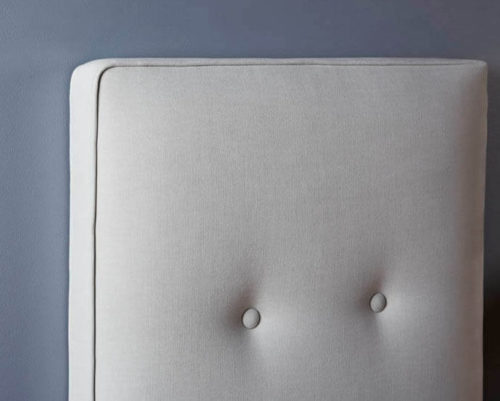
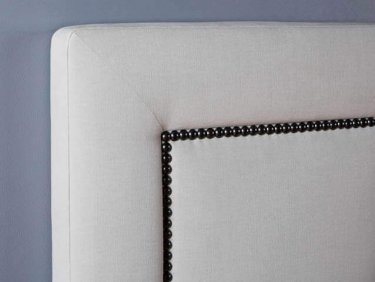
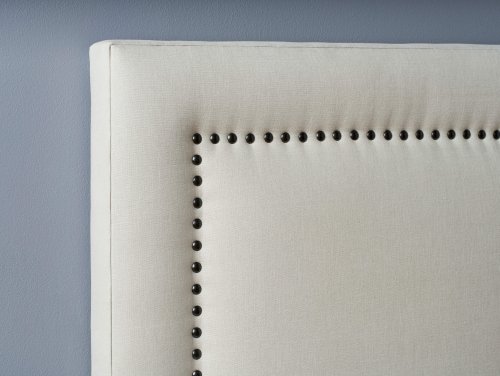
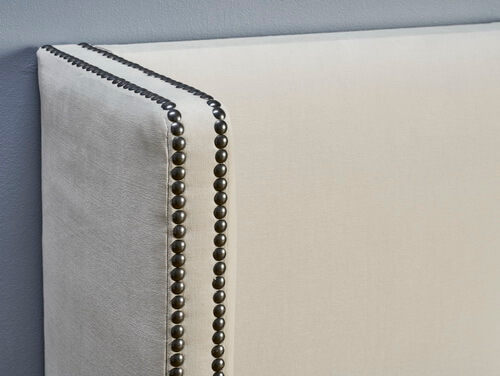
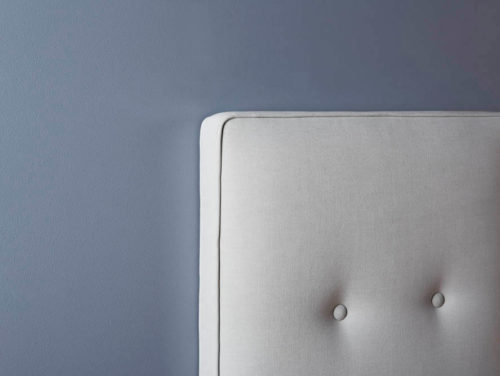
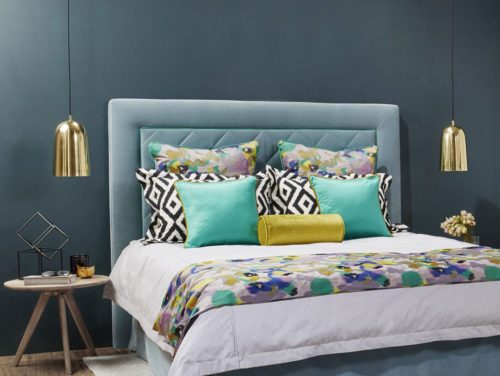
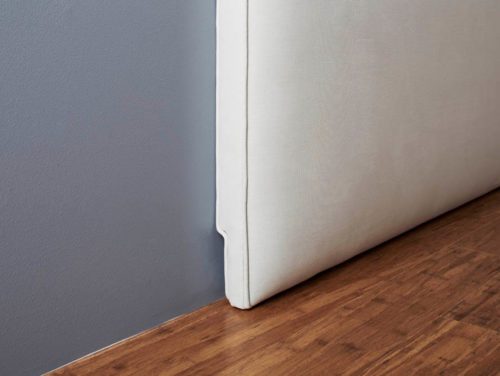
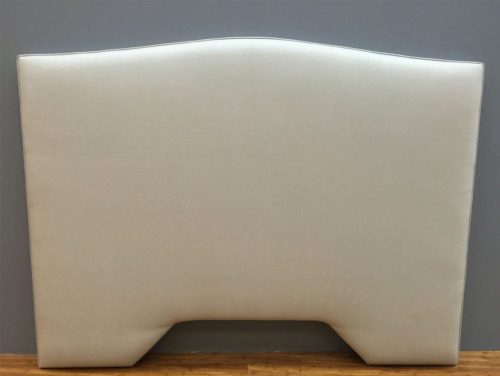
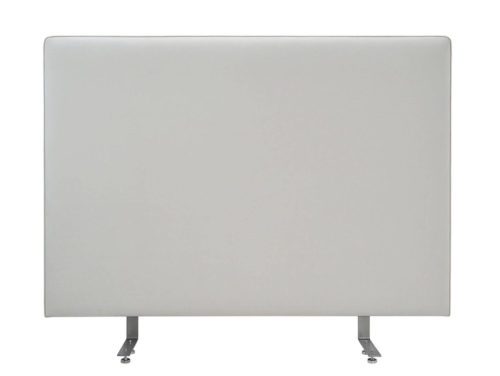
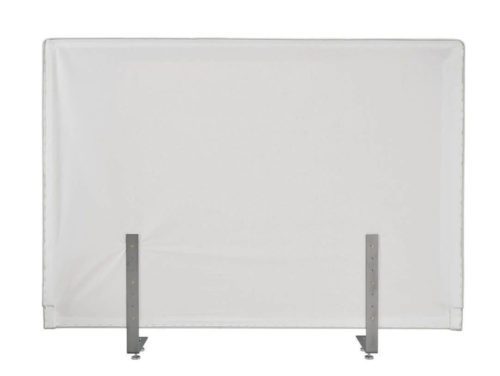
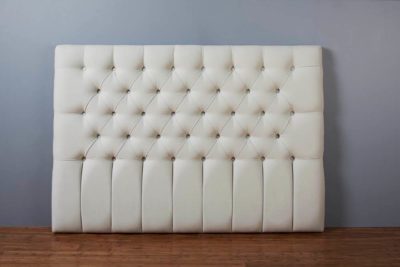
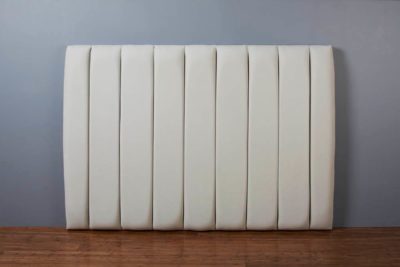
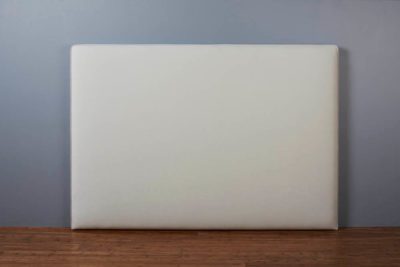
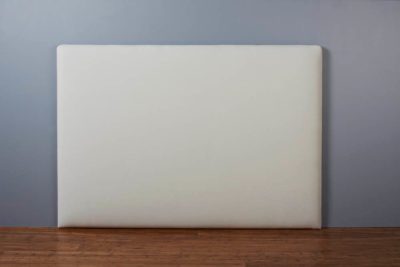
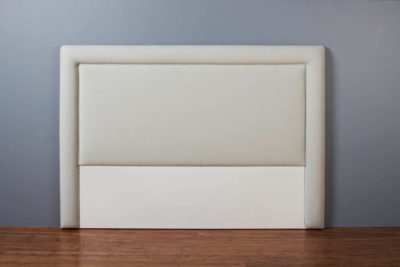
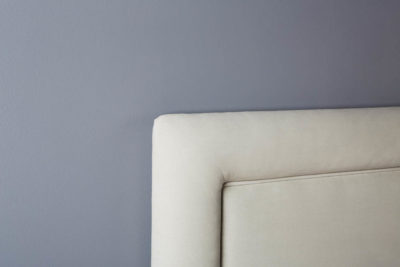
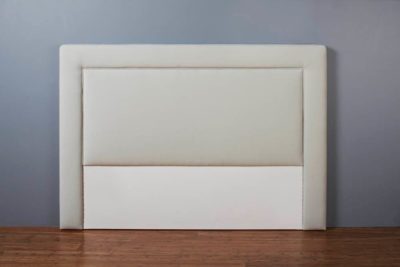
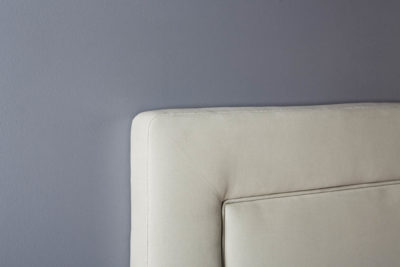
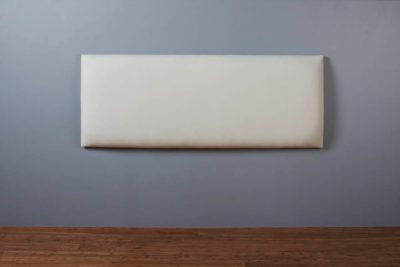
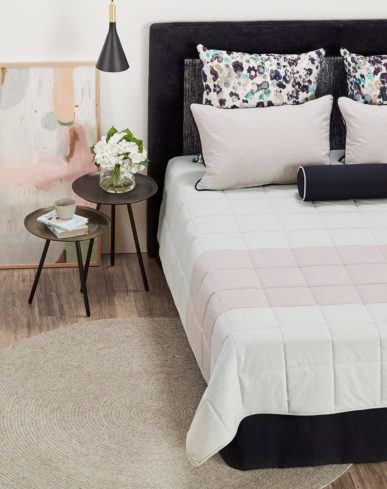
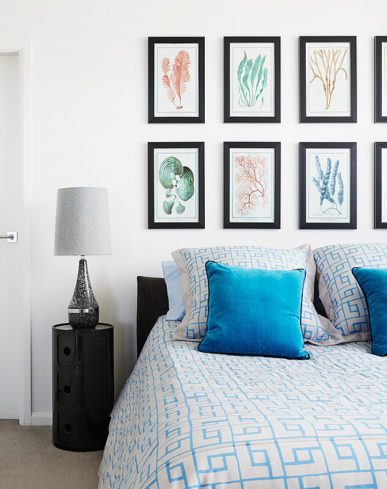
At BQ Design, our products can be tailored with various lining options to suit your project’s specific needs. Our bedspreads and bedheads can also be customized with insulating materials to enhance comfort and energy efficiency in bedrooms.
Best Practices for Maximizing Thermal Efficiency
To ensure optimal thermal performance in your soft furnishing installations:
- Ensure Proper Fit: Window treatments should be fitted closely to the window frame to minimize air leakage.
- Consider Layering: Combining different types of window treatments, such as pairing Roman blinds with curtains, can create additional insulating layers.
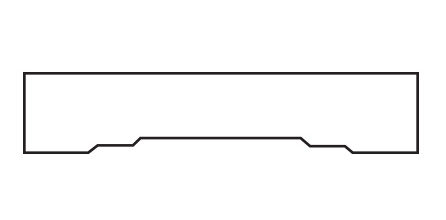
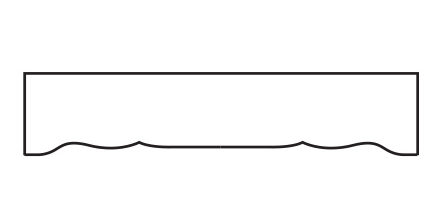
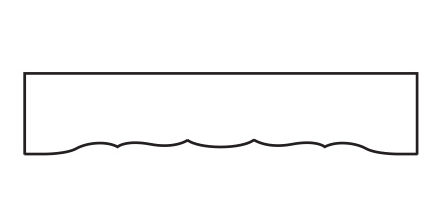
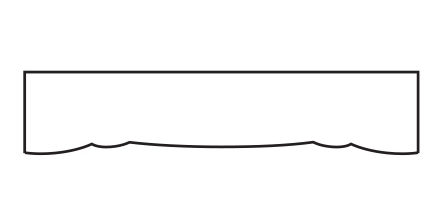
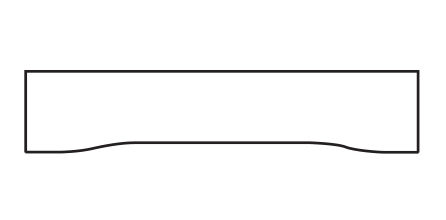
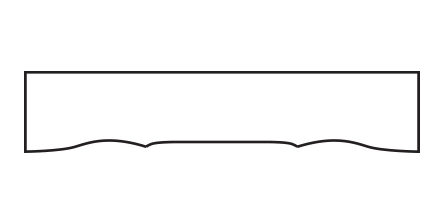
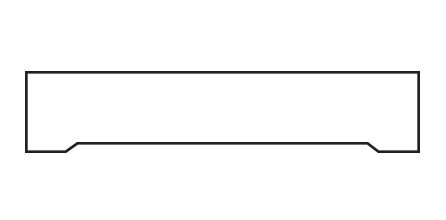
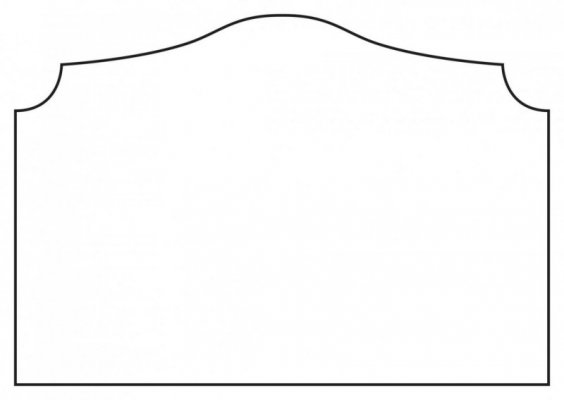
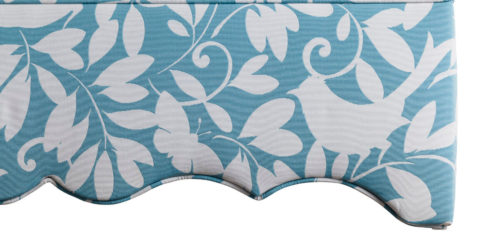
- Use Pelmets and Tracks: Installing pelmets or using track systems can prevent air from escaping over the top of window treatments.
- Regular Maintenance: Ensure that all soft furnishings are well-maintained to preserve their insulating properties over time.
Partnering with BQ Design for Thermally Efficient Solutions
With over 40 years of experience in manufacturing custom soft furnishings, BQ Design is committed to providing high-quality, thermally efficient products tailored to the needs of trade professionals. Our team offers expert advice on fabric selection and product customization to help you achieve the desired thermal performance in your projects.
For more information on our products and services, visit our Trade Resources page or contact us to discuss your specific requirements.