
The Importance of Precision in Fabric Cutting Techniques
In the world of custom soft furnishings, precision is everything. The success of a beautifully finished curtain, Roman blind, or bedspread often begins long before stitching or assembly. It starts at the cutting table. For design professionals, this stage may remain unseen, yet it is one of the most defining aspects of quality fabrication.
At BQ Design, every piece of fabric is handled with the same meticulous care that designers give to proportion and composition. The art of cutting isn’t simply about following measurements; it’s about anticipating how fabric will behave, ensuring symmetry, and maintaining the structural integrity of every finished product.
The Foundation of Accuracy: Measurement and Planning
Before a single cut is made, precision begins with planning. Accurate cutting depends on exact measurements — not only of the finished product but also of seam allowances, pattern repeats, and fabric grain.
Experienced cutters interpret specifications holistically, accounting for how fabric will drape, fold, and align once installed. Key steps include:
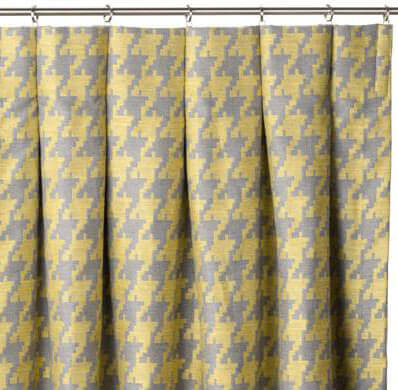
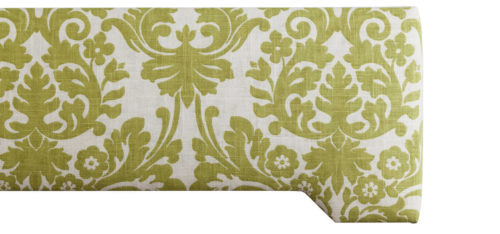
- Mapping pattern repeats: Ensuring motifs align perfectly across panels, particularly important for large-scale or geometric designs.
- Calculating allowances: Factoring in hems, headings, and linings to maintain visual balance once the piece is complete.
- Identifying flaws and shading variations: Natural fabrics, in particular, require careful inspection to ensure consistency across panels.
In luxury manufacturing, precision at this stage eliminates costly adjustments later, ensuring every element fits seamlessly upon installation.
Fabric Behaviour and Grain Control
Each fabric type behaves differently. Natural fibres expand, contract, or distort depending on humidity, temperature, and weave structure. Maintaining grain alignment , the straightness of the weave or knit, is crucial to prevent skewing or twisting.
- Wovens must be squared before cutting to ensure the warp and weft remain true.
- Linens and cottons require controlled tension to avoid stretching.
- Velvets and chenilles demand specific nap direction to maintain visual consistency and light reflection.
For professional workrooms, this understanding of material behaviour is second nature — honed through years of experience and an intuitive feel for the fabric.
Technology Meets Craftsmanship
While digital tools have introduced new levels of precision, the hand and eye of skilled craftspeople remain irreplaceable.
Laser-guided cutting systems can optimise fabric yield and improve consistency, but it is the manual refinement (aligning a patterned repeat or compensating for a natural weave irregularity) that distinguishes a bespoke result.
In practice, the balance of technology and human expertise allows manufacturers to:
- Reduce waste and improve efficiency.
- Maintain consistency across high-volume commercial orders.
- Uphold the artistry expected in designer-led residential projects.
It’s a blend of technical accuracy and creative intuition — the hallmark of true craftsmanship.
The Relationship Between Cutting and Final Finish
Precision in cutting directly influences the quality of stitching, alignment, and drape. Even a millimetre of deviation at the cutting stage can affect how seams meet, how pleats fall, or how patterns align.
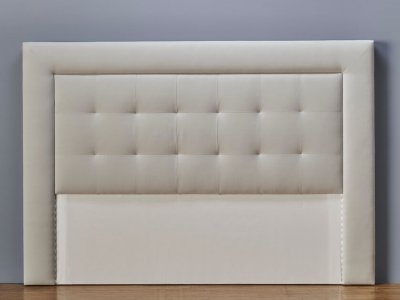
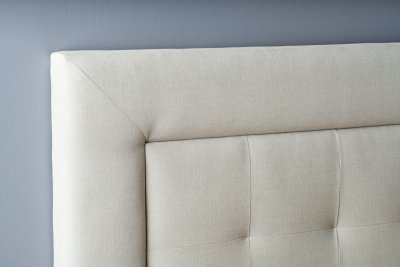
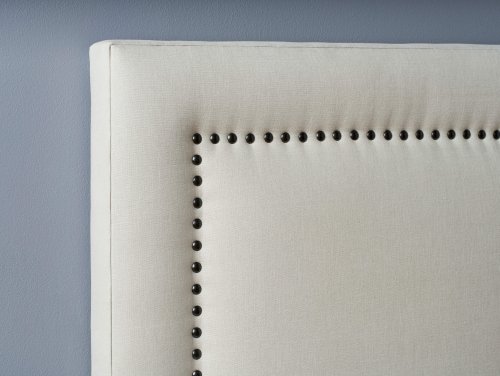
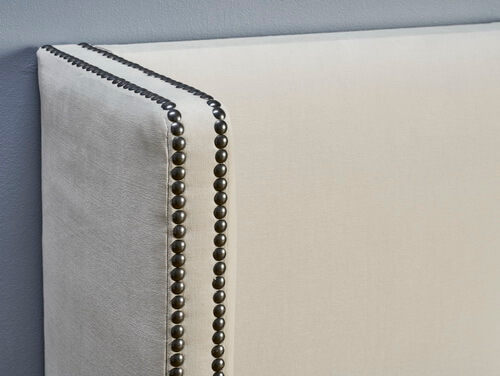
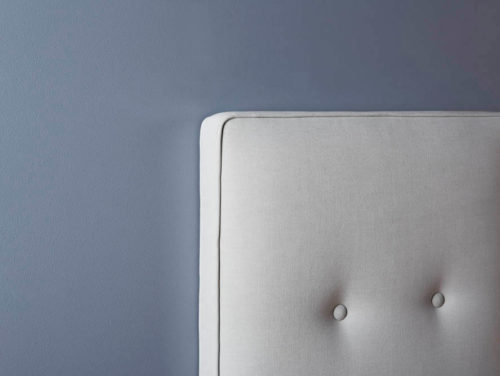
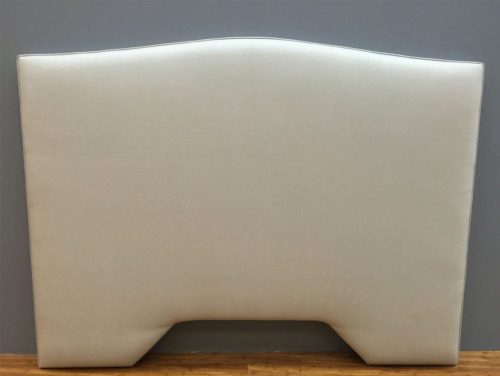
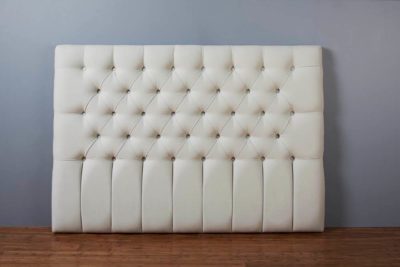
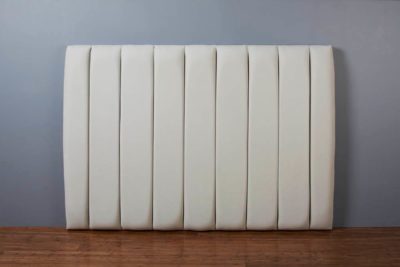
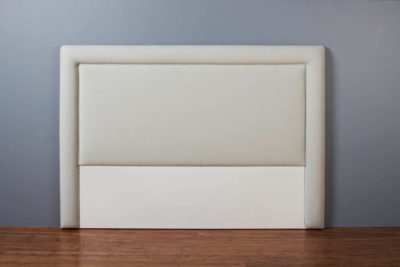
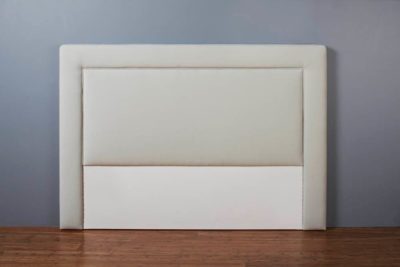
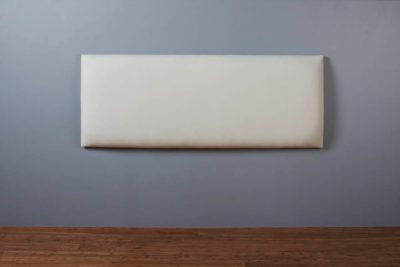
For multi-component furnishings, such as bedheads, cushions, and curtains within a single project, maintaining consistency across all elements ensures visual harmony throughout the interior. Designers often describe this as effortless, but behind that effortlessness lies painstaking attention to dimension and symmetry.
A Quiet Art Form
The cutting process rarely receives the recognition it deserves. Yet it’s here, at the workbench, that design meets discipline and where the creative vision of architects and interior designers is translated into measurable, tangible reality.
In every precise cut lies a commitment to craftsmanship, to excellence, and to preserving the trust that trade professionals place in their manufacturing partners.