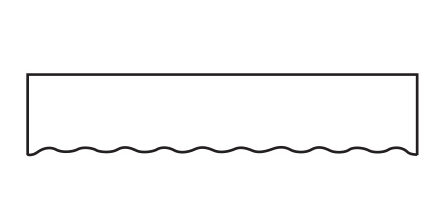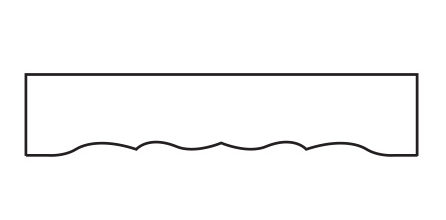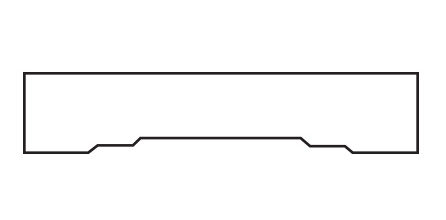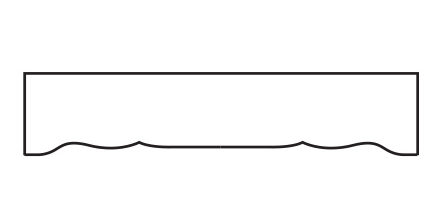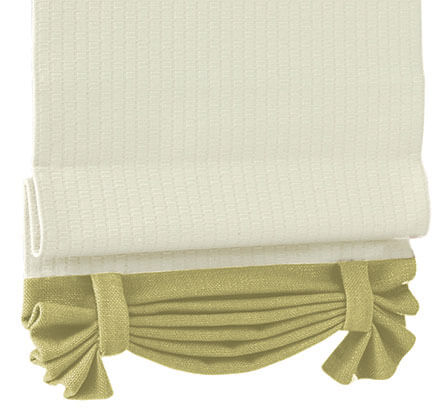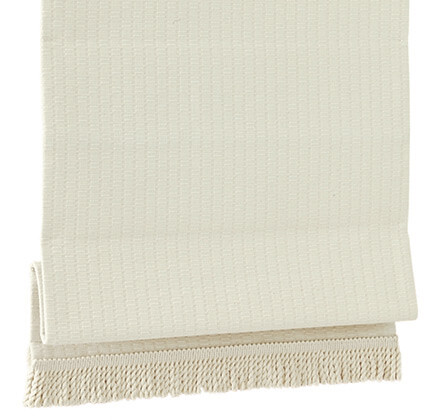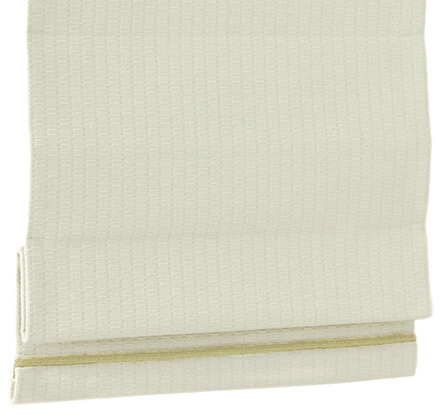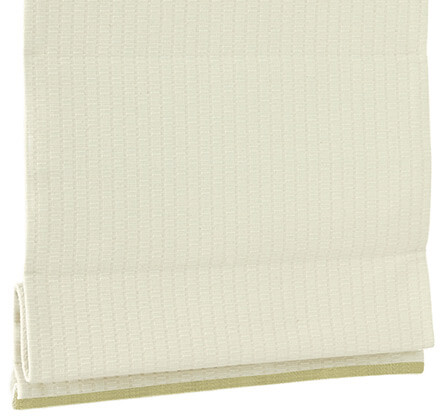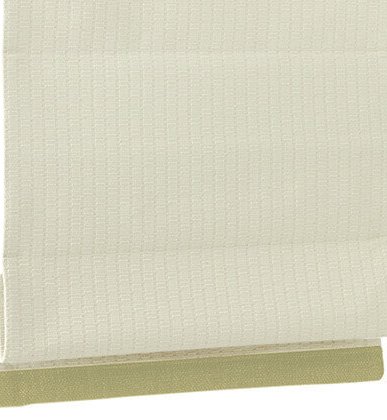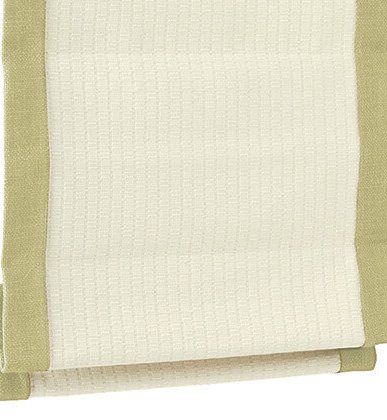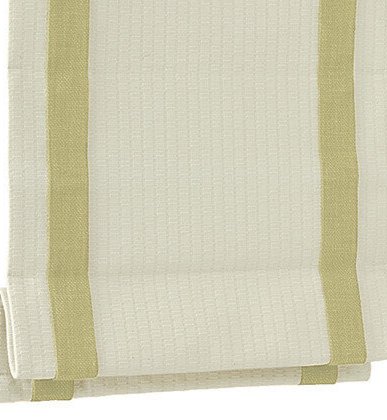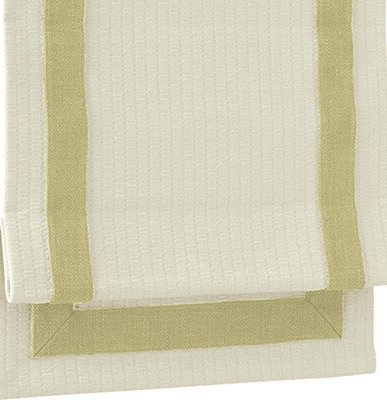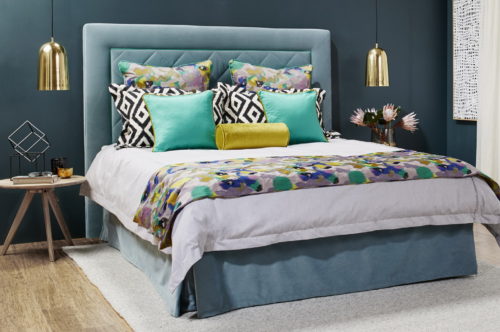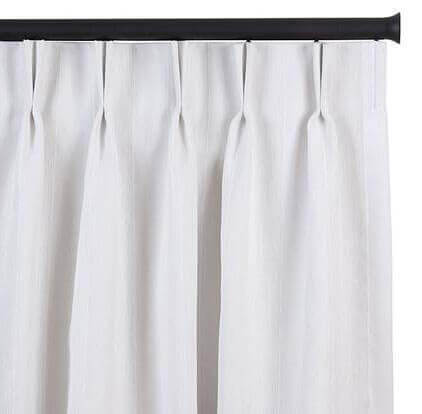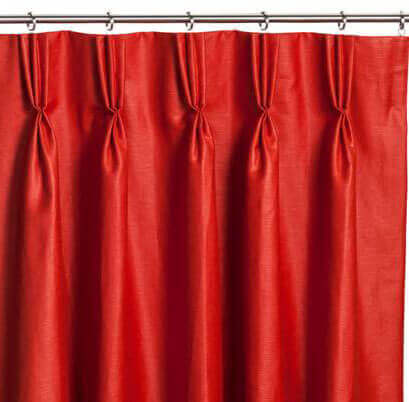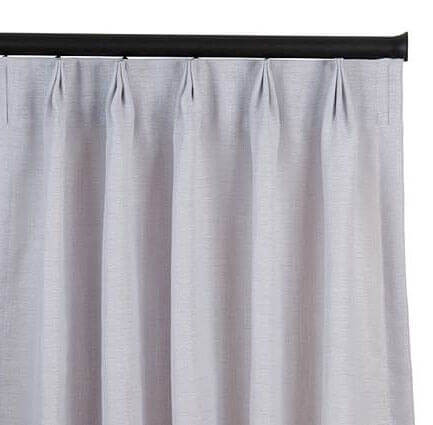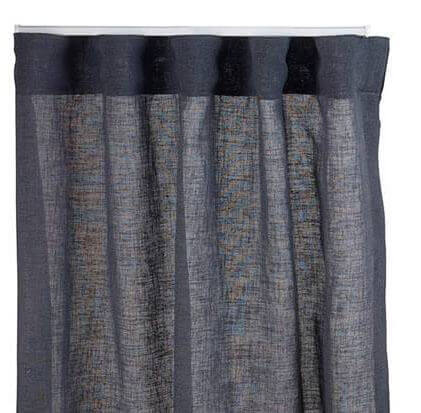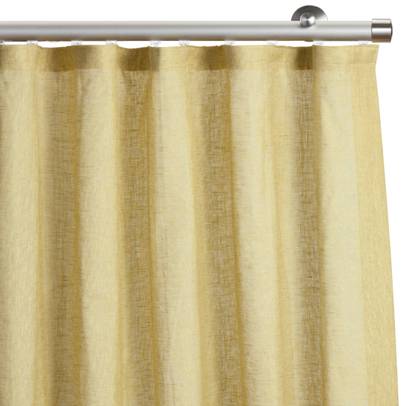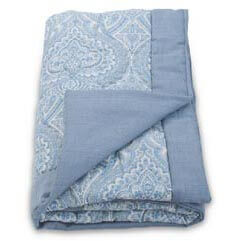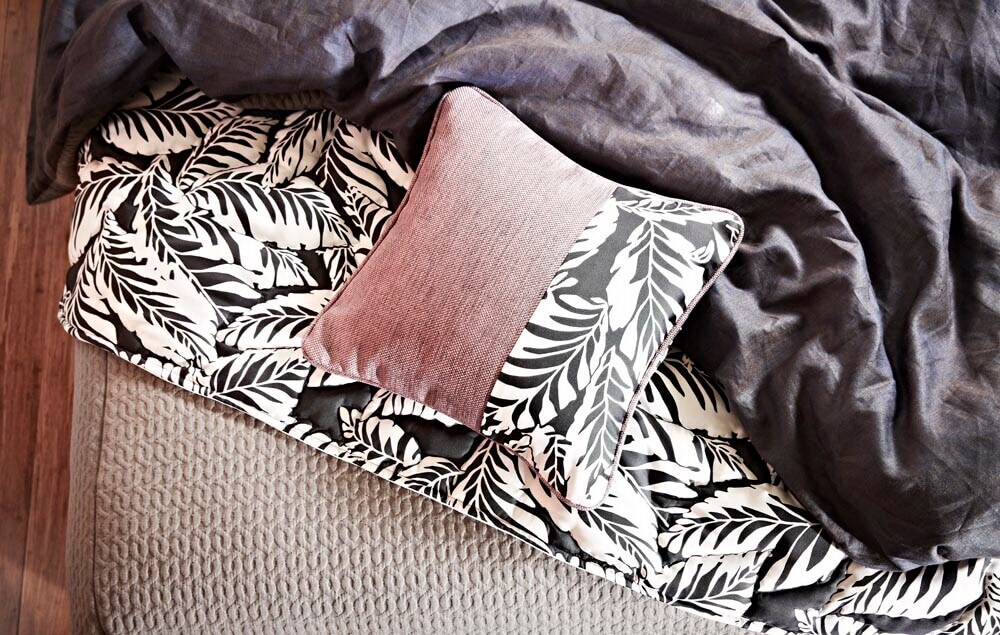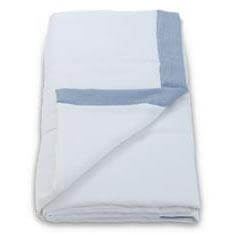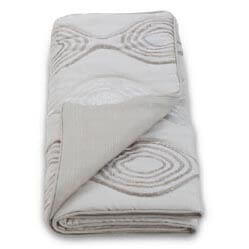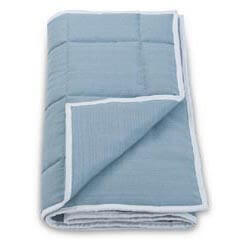

In custom soft furnishings, the final impression often lies in the smallest details. Decorative trims and embellishments, whether a fine braid, contrast piping, or hand-applied beading, transform beautifully made window treatments and accessories into statement pieces. For interior designers, architects, and window furnishing specialists, understanding how trims are applied, and how these decisions influence proportion, cost, and craftsmanship, is essential to achieving refined, cohesive interiors.
Decorative detail is more than ornamentation; it’s a language of finish and precision.
The Design Purpose of Trims and Embellishments
Every decorative finish serves both an aesthetic and structural function. Trims can define edges, conceal joins, or introduce subtle contrast that complements the overall design scheme.
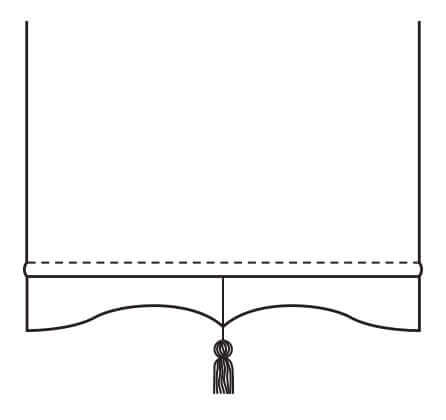
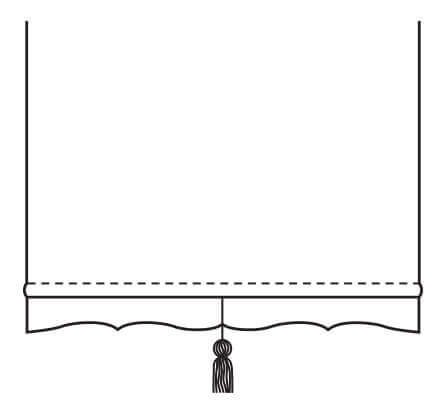
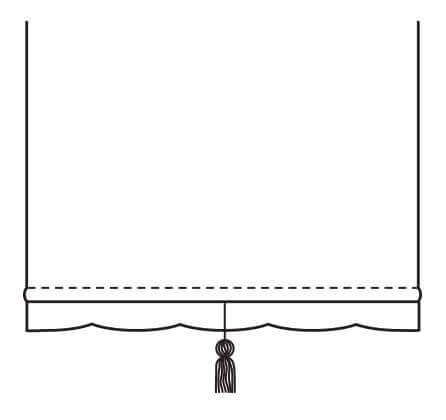
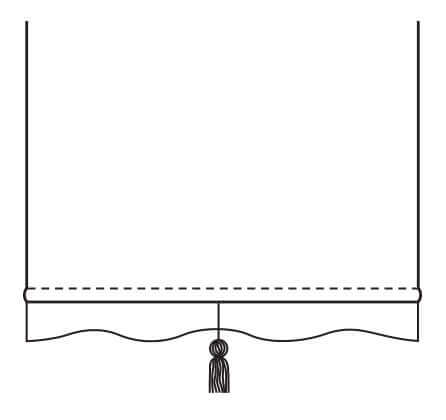
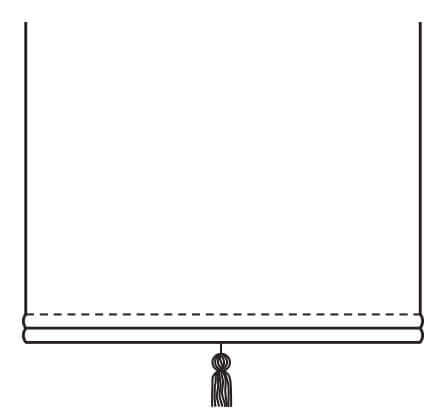
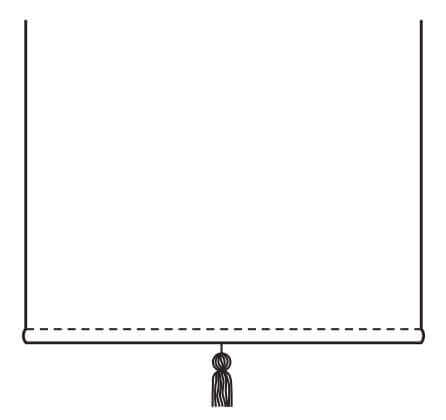
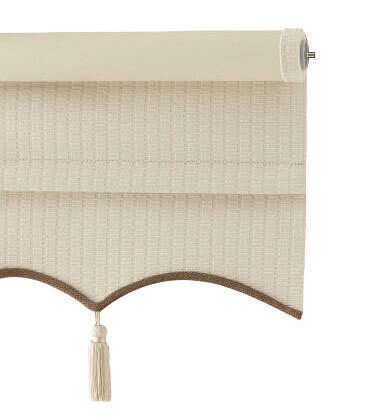
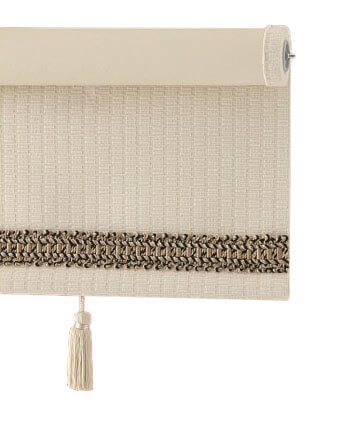
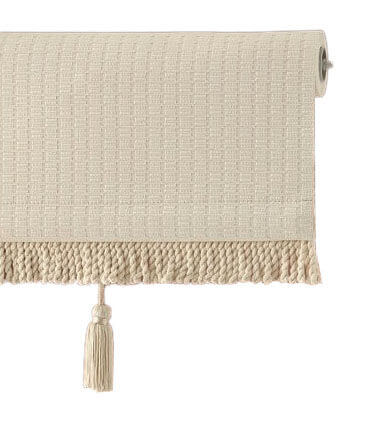
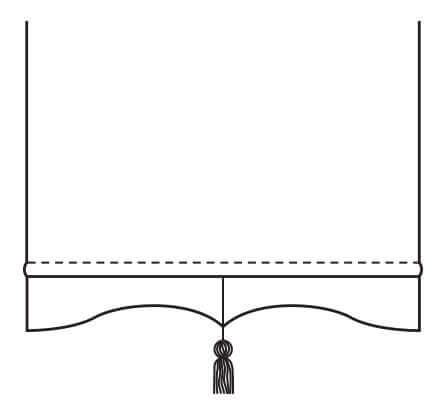
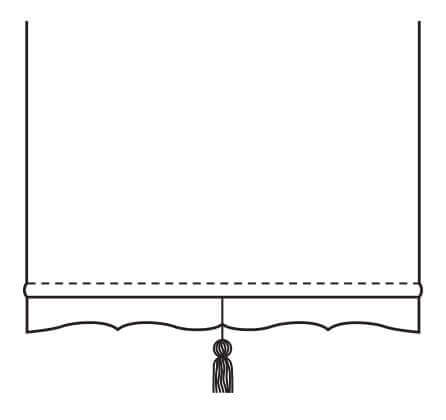
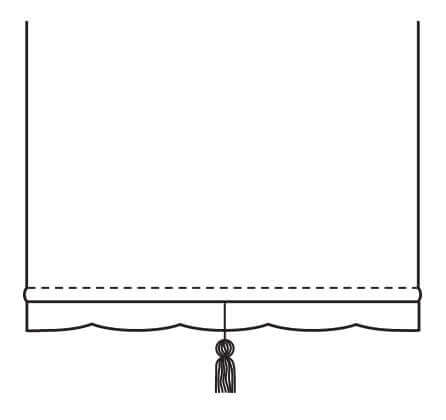
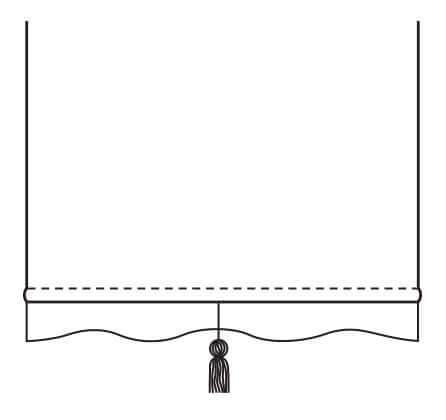
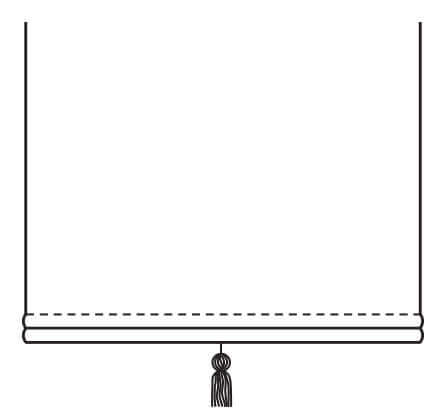
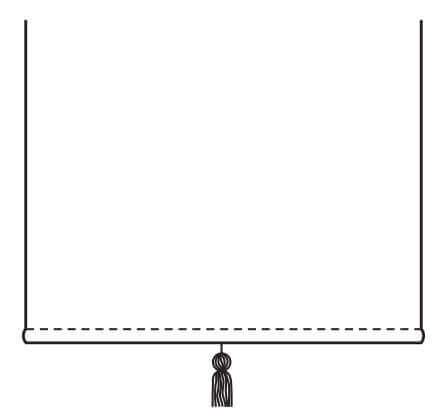
- Fringes and tassels bring classical luxury, ideal for heritage or traditional interiors.
- Flat braids and cords provide a clean, tailored finish suitable for contemporary schemes.
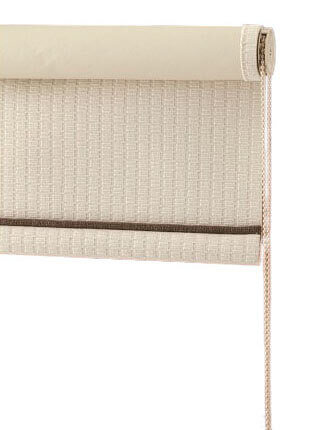
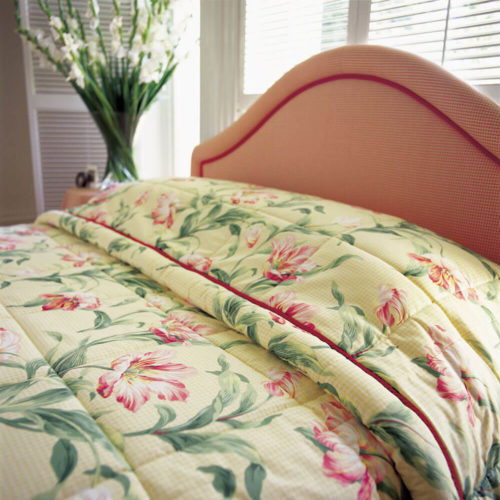
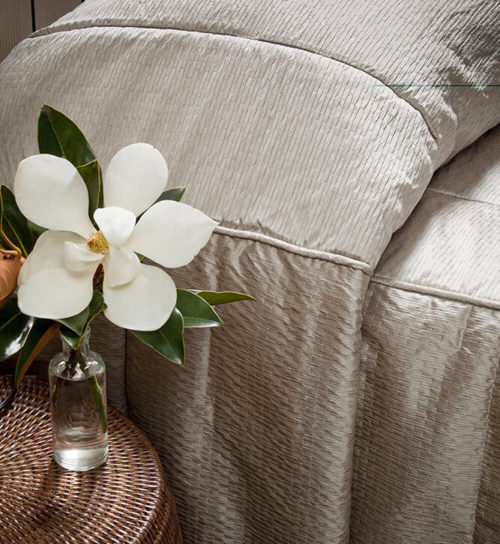
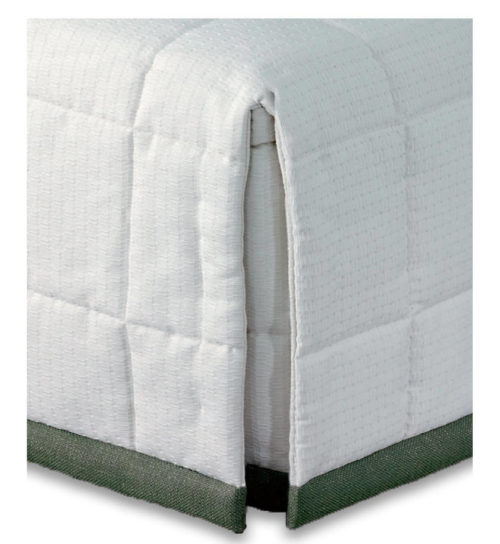
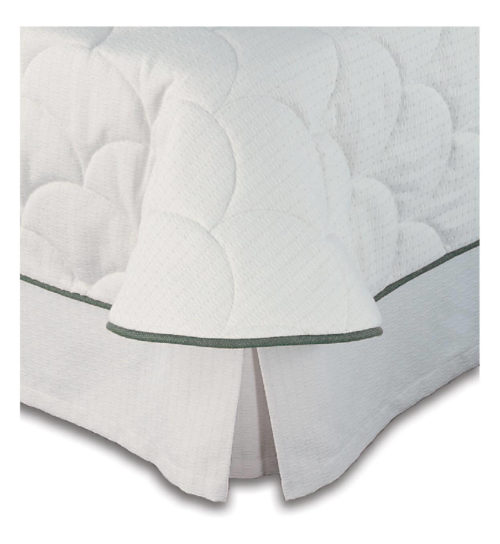
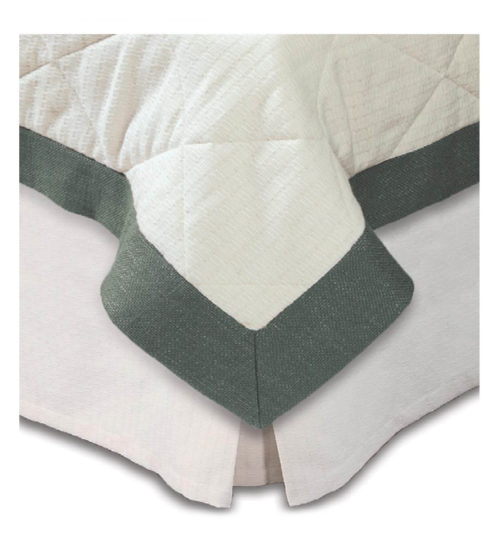
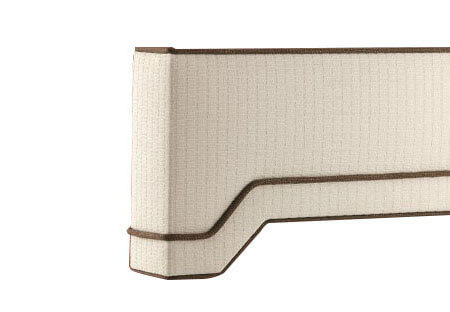
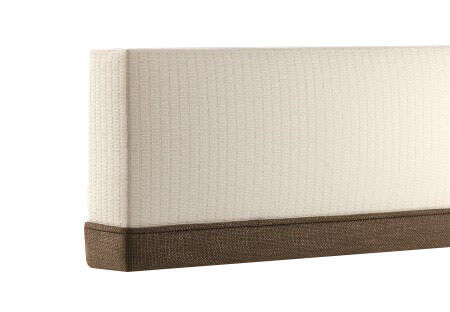
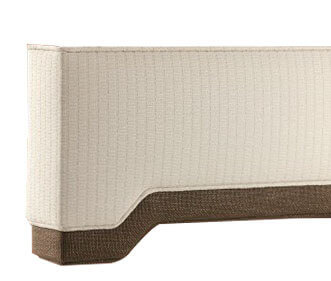
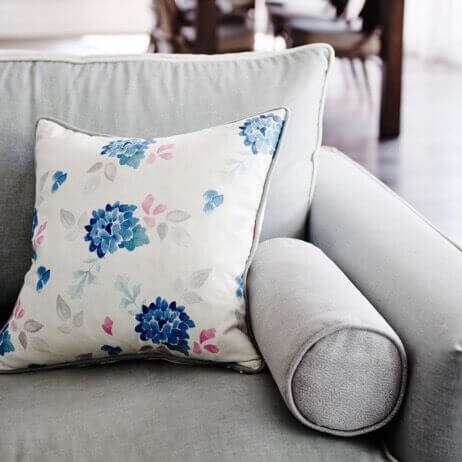
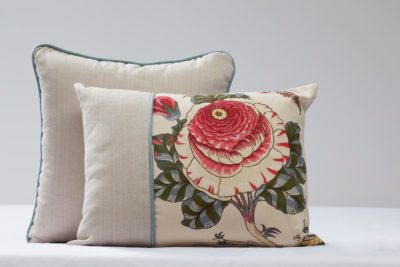
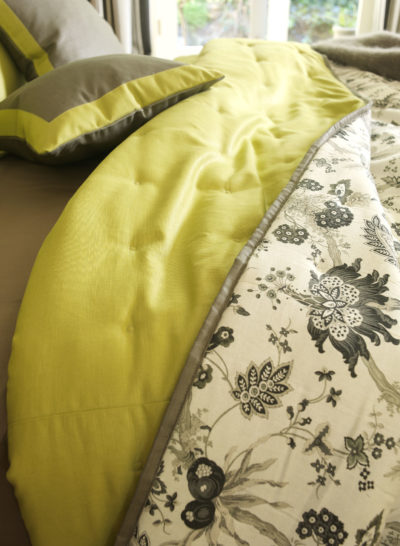
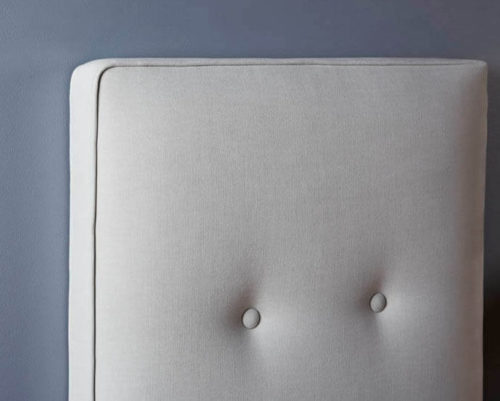
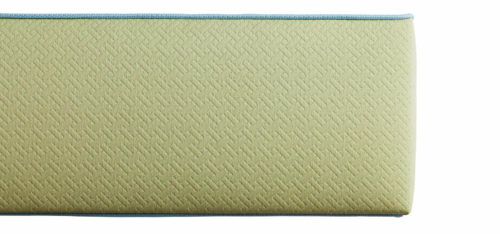
- Contrast piping frames upholstery and cushions, reinforcing line and proportion.
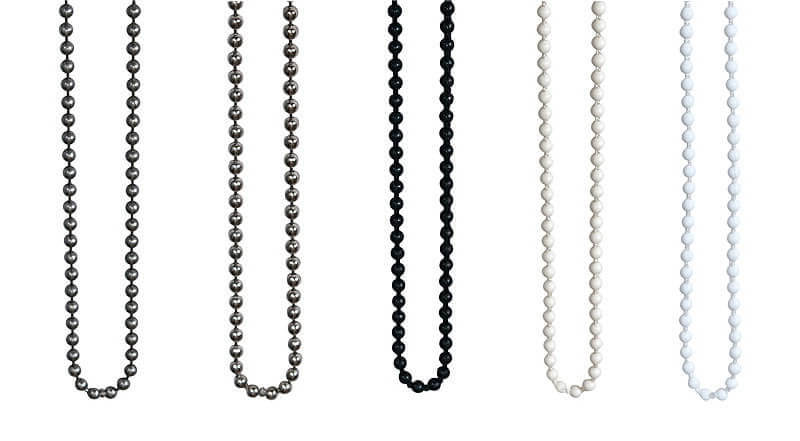
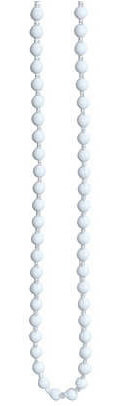
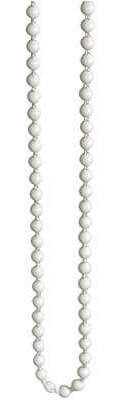
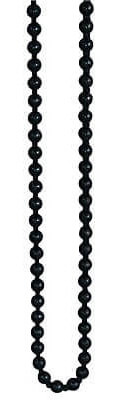
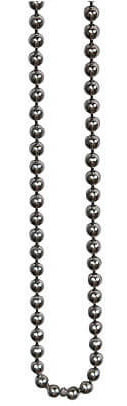
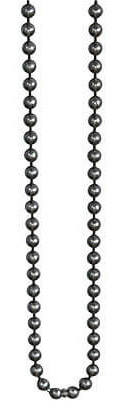
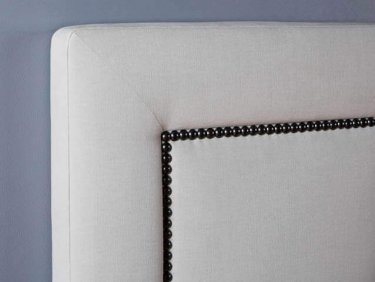
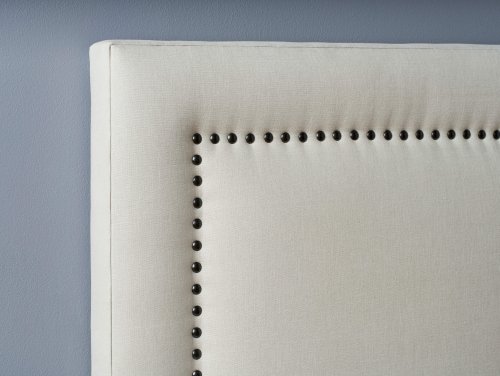
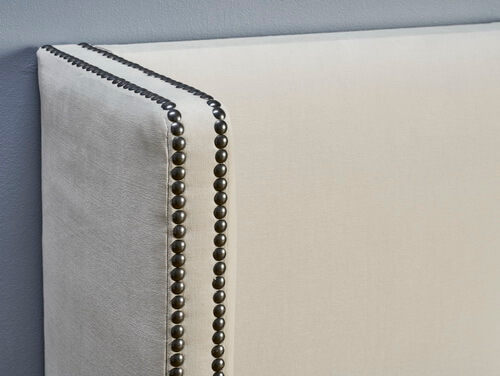
- Beaded or metallic detailing adds depth and sophistication in boutique hospitality or high-end residential settings.
Choosing the right trim begins with understanding the designer’s vision, whether the goal is to highlight formality, introduce texture, or express craftsmanship through restraint.
From Design to Application: A Process of Precision
Once a trim has been selected, its successful application depends on the coordination between design intent and manufacturing execution. Every stage, from measuring and positioning to stitching and finishing, requires skilled attention.
Material Compatibility: Trims must complement the weight, texture, and drape of the base fabric. A heavy cord applied to a lightweight sheer can distort the fall, while a narrow braid on a thick velvet risks being visually lost.
Pre-Assembly Preparation: Each length is inspected for colour consistency, directional patterning, and structural integrity. For patterned or textured trims, joins are carefully concealed to maintain visual continuity.
Application Technique: Depending on the design, trims may be:
-
- Machine-stitched for precision and durability.
- Hand-applied for intricate, delicate finishes.
- Layered or inset within seams for a subtle tailored effect.
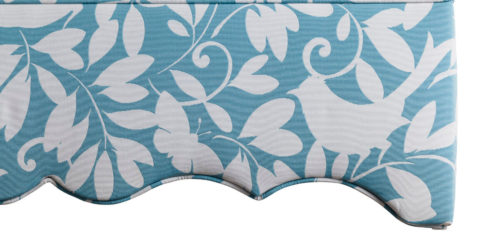
- Skilled machinists must balance tension, alignment, and stitch density to ensure trims sit perfectly along curves, corners, or pleated edges.
Finishing and Quality Inspection: After stitching, all trims undergo final inspection. This includes checking symmetry, verifying attachment strength, and ensuring no pulling or puckering has occurred along the base fabric.
Each of these steps requires experience and finesse — qualities that define the craftsmanship behind every BQ Design product.
The Relationship Between Trim and Scale
A key consideration in applying embellishments is scale. Trims that look proportionate on a cushion may appear too fine on a floor-length drape. Similarly, large decorative elements demand sufficient visual space to balance the composition.
Professional workrooms often produce samples and mock-ups before final production, allowing designers to assess how the chosen trim interacts with both light and texture. This practice ensures alignment between design expectation and finished result, particularly important when coordinating multiple pieces within a single project.
A Dialogue Between Designer and Maker
The artistry of embellishment is collaborative. Designers establish intent, whether it’s refinement, contrast, or statement, and manufacturers translate that vision into tangible execution. By consulting early, the workroom can advise on scale, stitch placement, and production feasibility without compromising creative intent.
This dialogue ensures consistency across multiple pieces, whether producing hundreds of matching trims for a large commercial installation or a bespoke accent for a residential statement piece.
The Final Impression
In luxury interiors, craftsmanship is experienced in quiet moments, the soft fall of a curtain hem, the clean line of a cushion edge, or the gleam of a hand-applied cord. Decorative trims and embellishments carry that craftsmanship to the forefront. When executed with precision, they reinforce the designer’s language of detail, proportion, and material integrity.
The process is not about decoration for decoration’s sake. It’s about precision, restraint, and excellence in execution. And it’s often the difference between something well made and something truly exceptional.