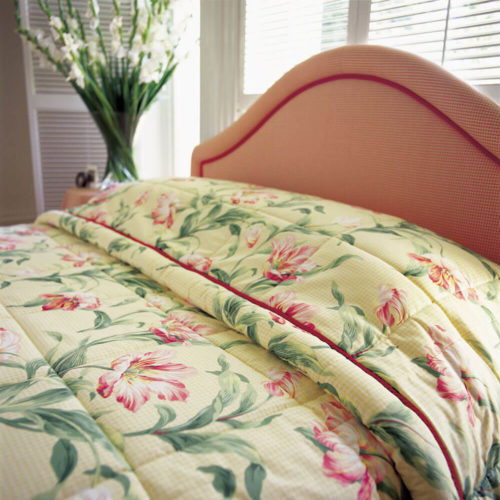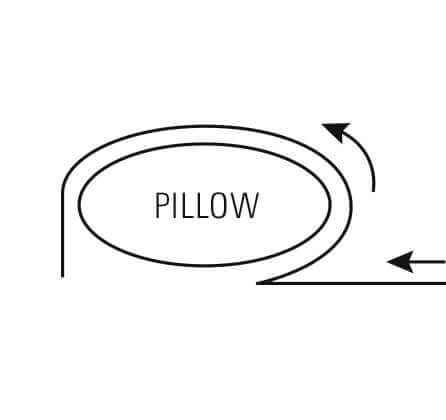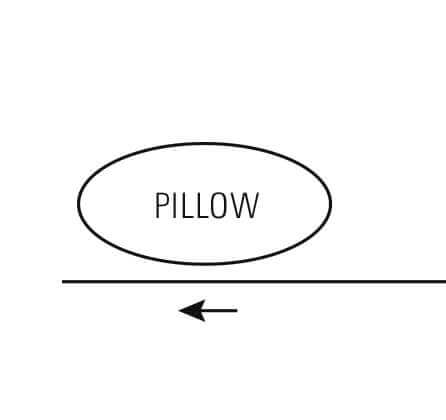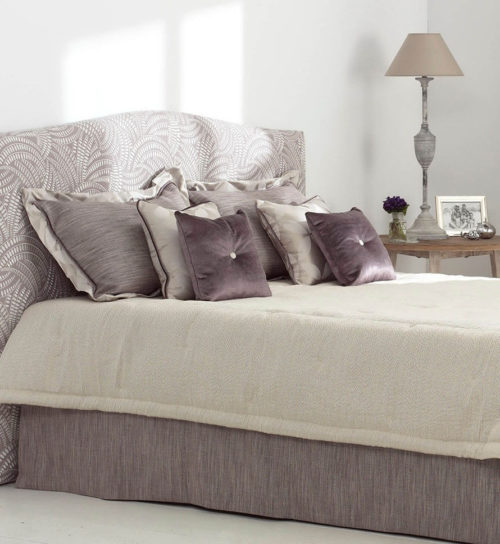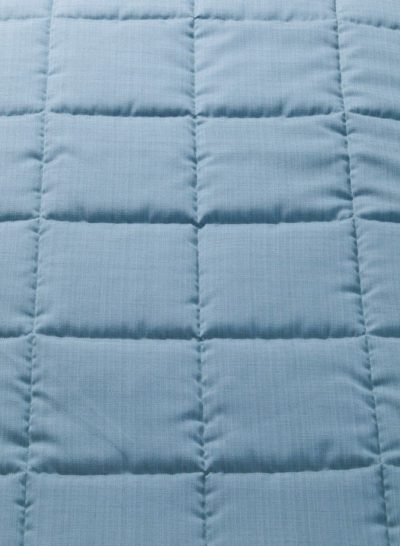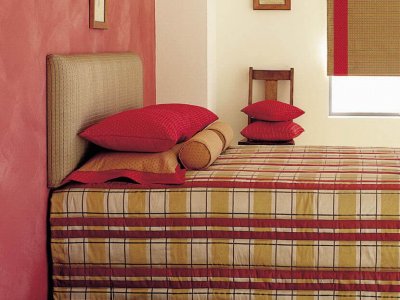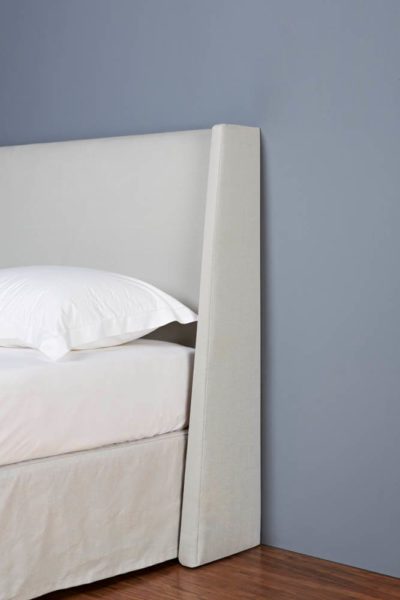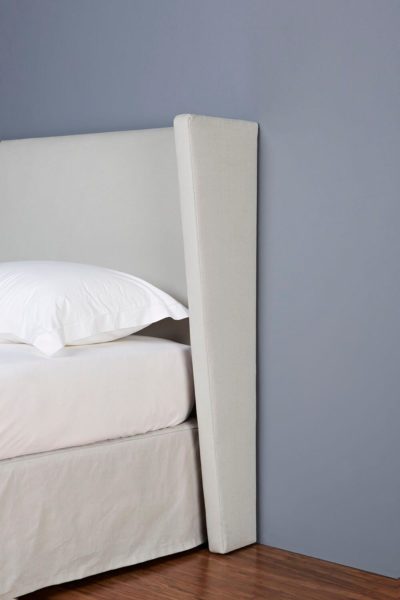

In the custom soft furnishing industry, quality isn’t defined by a single step, it’s embedded in every stage of production. From fabric inspection to final pressing, each process contributes to the precision, consistency, and craftsmanship that trade professionals rely on. For architects, interior designers, and window furnishing retailers, understanding the role of quality assurance (QA) provides insight into why some products simply perform, and present, better than others.
In professional workrooms, quality assurance is not an afterthought. It’s a culture of care that begins before the first cut and continues beyond final dispatch.
A Process Built on Consistency
Quality assurance in soft furnishings starts with consistency, the cornerstone of professional manufacturing. Every order, regardless of scale or complexity, follows a structured production pathway to ensure accuracy and repeatability.
Key elements of this system include:
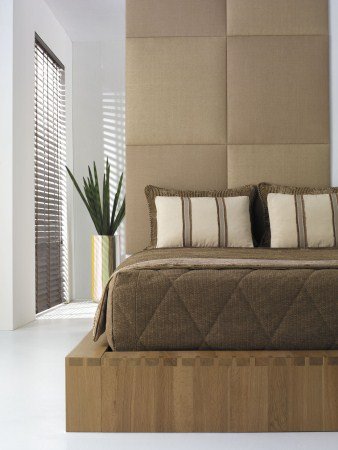
- Standardised procedures: Each product category, whether curtains, bedheads, or blinds, has established processes for measurement, fabrication, and finishing.
- Detailed order verification: Incoming specifications are reviewed against workroom standards, checking for measurement accuracy, fabric compatibility, and hardware suitability.
- Workflow traceability: Each job is tracked from order entry to final inspection, allowing any issue to be identified and resolved early.
By embedding QA at each phase, manufacturers maintain control over both efficiency and excellence.
Material Inspection and Preparation
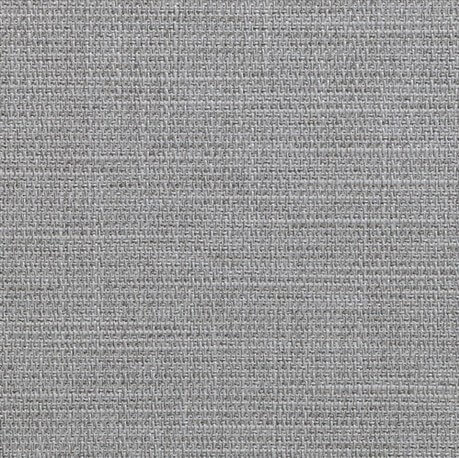
The first opportunity for quality assurance begins with the fabric itself. Every roll undergoes detailed inspection prior to cutting, checking for flaws, shade variation, or tension inconsistencies.
Skilled production teams evaluate:
- Fabric grain and alignment for true drape and consistent hanging.
- Colour uniformity under various light sources.
- Weave tension to prevent distortion during fabrication.
This step is particularly crucial when working with designer-supplied materials, where subtle variations can significantly influence the final presentation.
Even premium fabrics require human judgement, the eye, touch, and technical understanding that machines cannot replicate.
Precision in Production
Throughout the production process, precision is maintained through measurable standards and skilled oversight.
- Dimensional accuracy: Each piece is cut, joined, and sewn to tight tolerances.
- Component verification: Hardware, linings, and trims are matched to ensure compatibility and durability.
- In-process inspections: Quality checks occur at multiple stages, not just at the end, to verify seam strength, symmetry, and proportion.
This continuous monitoring prevents minor variations from compounding into visible defects later in production.
Final Inspection and Finishing
Before dispatch, every completed product undergoes final inspection under controlled lighting conditions. This stage assesses:
- Visual consistency: Alignment, fullness, and proportion.
- Functional testing: Track or blind operation, motorisation calibration, and correct fitting of linings.
- Presentation: Clean finishing, accurate labelling, and safe packaging for delivery.
The finishing process is where craftsmanship and quality assurance converge, ensuring that every product leaving the workroom meets the designer’s specification and the client’s expectations.
The Human Element of Quality
While systems and technology support consistency, it is the expertise of skilled craftspeople that defines true quality. Many professionals in established workrooms have honed their techniques over decades, developing an intuitive sense for detail, a sensitivity to how fabric behaves, how a seam should sit, or how a pattern should align.
This level of mastery cannot be automated. It’s what allows complex designs to be executed flawlessly and ensures each piece carries the quiet confidence of craftsmanship.
Maintaining Standards in a Scalable Environment
As demand grows, maintaining quality across higher volumes requires a balance between efficiency and control. Structured QA frameworks, supported by training, cross-checking, and digital order tracking, ensure that growth never comes at the expense of quality.
For trade professionals, this reliability builds trust: the confidence that each order will arrive on time, on spec, and ready for installation.
Quality as a Partnership
Quality assurance in custom soft furnishings is not just about process, it’s about partnership. Designers, architects, and manufacturers work together to uphold shared standards of excellence. Through rigorous control, transparent communication, and expert craftsmanship, the final result is more than a finished product, it’s a reflection of every professional involved.
True quality is never accidental. It’s the deliberate outcome of precision, skill, and care at every stage of creation.